How to Flush Mobile Toilets in Qinghai
The flushing methods for mobile toilets in Qinghai tourist attractions primarily utilize waterless and low-water flushing technologies, including vacuum suction, microbial degradation, foam sealing, and high-pressure air-water flushing. These methods are designed to reduce water consumption and adapt to the high-altitude, arid environment.
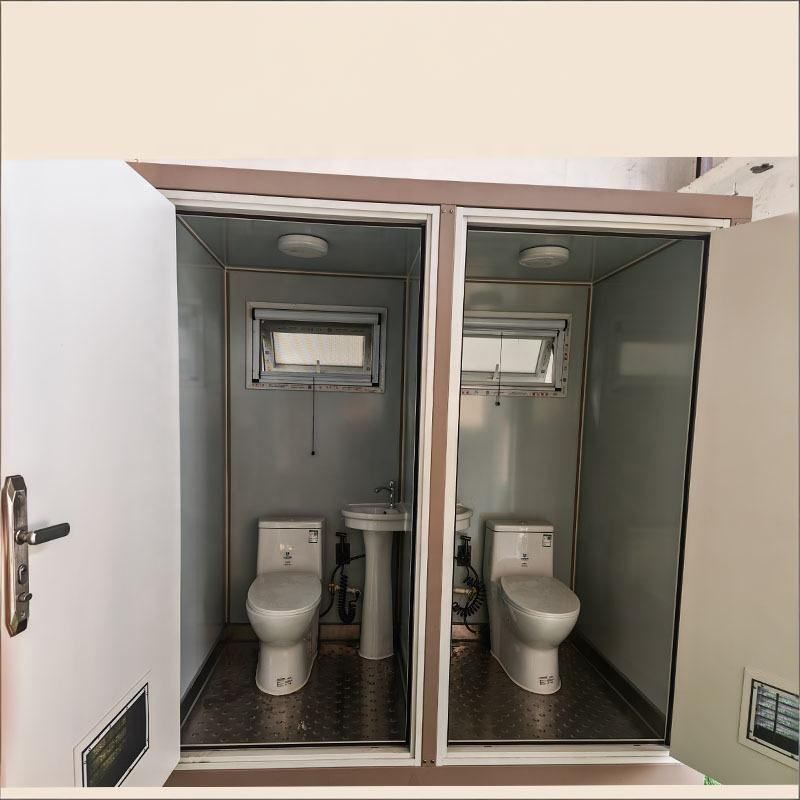
Vacuum Suction System
This technology uses the principle of air pressure difference to transport waste. A vacuum pump creates negative pressure in the pipeline, rapidly drawing excreta into a collection container. Each cleaning requires only a small amount of water (approximately 0.5-1 liters) to rinse the inner walls of the toilet, avoiding the excessive water usage of traditional flushing methods. Its key advantage lies in its strong sealing, effectively preventing odor diffusion, and facilitating centralized waste disposal, making it suitable for water-scarce scenic areas.Microbial Degradation Technology
By introducing specific microbial communities (such as aerobic and anaerobic bacteria) into a closed chamber, organic waste is decomposed through microbial metabolism. After excreta enter the chamber, the bacteria convert it into carbon dioxide, water, and neutral residues (such as humus), with minimal need for external water supplementation throughout the process. This technology requires regular addition of bacterial strains and adjustment of chamber conditions (such as temperature and humidity), but offers low long-term operating costs and no sewage discharge, meeting ecological protection requirements.Foam Sealing Method
This approach generates dense foam by mixing a foaming agent with a small amount of water (approximately 0.1 liters per use), covering the inner walls of the toilet and the surface of excreta. The foam isolates odors, prevents splashing, and reduces the contact area between waste and the toilet, thereby lowering flushing requirements. After use, the foam naturally flows into a collection tank for subsequent microbial or manual treatment. This technology significantly conserves water but requires regular replenishment of the foaming agent and cleaning of foam residues.High-Pressure Air-Water Flushing
Combining high-pressure air with a small amount of water (about one-fifth of the volume used in conventional flushing), this method creates a powerful water jet that is sprayed through nozzles onto the inner walls of the toilet for efficient cleaning. With high flushing pressure and wide coverage, it thoroughly removes waste while reducing water consumption. This technology requires a high-pressure air pump and water tank, resulting in higher initial costs, but offers simple maintenance and strong applicability, especially suitable for high-traffic scenic area toilets.
All these technologies optimize flushing mechanisms or replace traditional water sources, enabling sustainable operation in arid environments and providing reliable solutions for sanitation facilities in Qinghai tourist attractions.