Construction of Mobile Environmental Toilets in Qinghai
The construction of mobile environmental toilets in Qinghai requires adherence to a scientific process, encompassing site selection, assembly, system configuration, insulation, sewage disposal, energy integration, monitoring, and acceptance. It necessitates tailored design based on the characteristics of the plateau climate.

Site Selection and Foundation Preparation are prerequisites for construction. The site should avoid areas prone to geological disasters and ecologically sensitive zones, prioritizing flat terrain with good drainage. Foundation treatment involves concrete pouring or prefabricated slab bedding to ensure a level and stable bearing surface, accommodating the significant temperature variations and frequent freeze-thaw cycles in Qinghai to prevent structural damage due to foundation settlement.
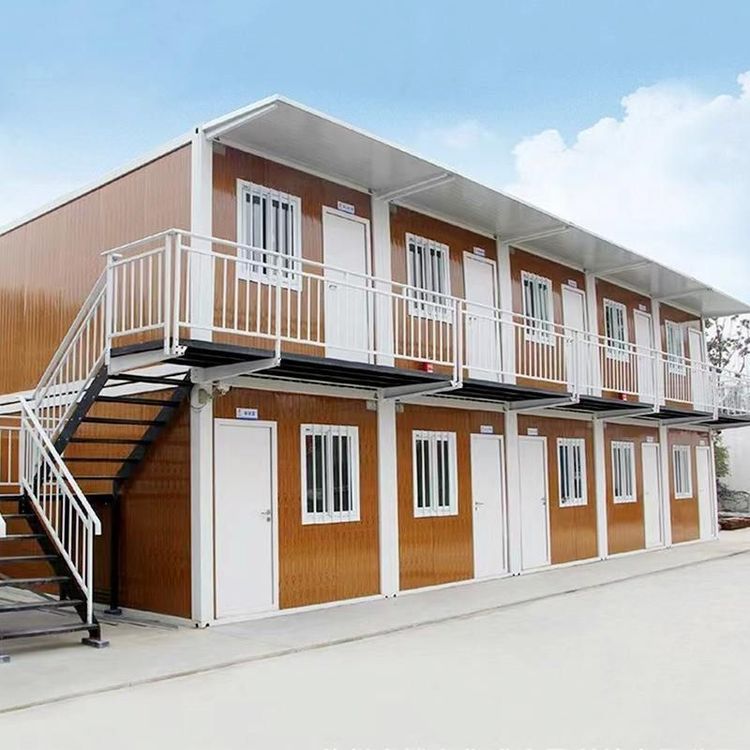
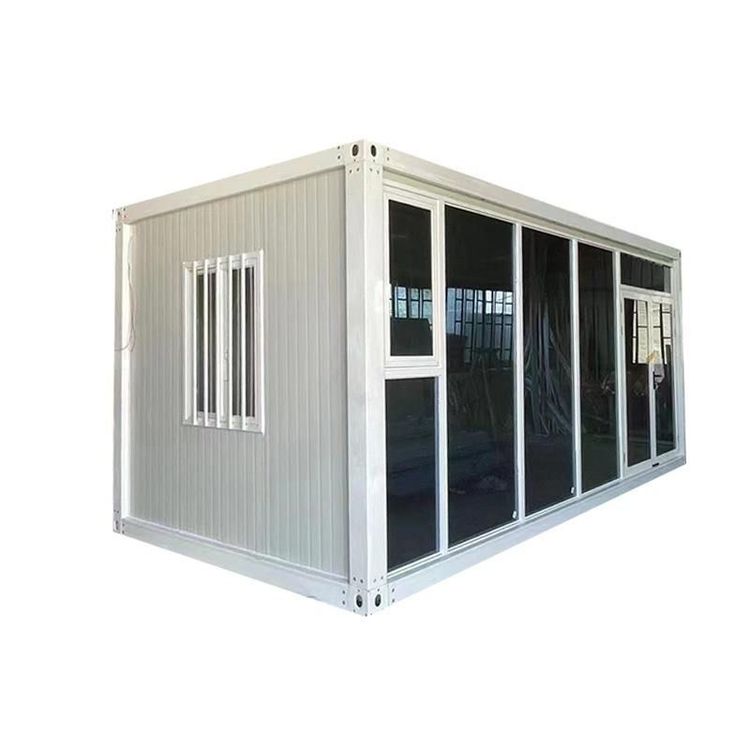
Main Structure Assembly employs a modular approach. Walls and roofs primarily use color-coated steel sheets, connected to steel frames with bolts to form enclosed spaces. Seams are treated with sealant to enhance airtightness. Electrical wiring and water supply/drainage pipes between modules feature quick-connect interfaces with anti-leakage and anti-freeze designs, facilitating easy maintenance and replacement.
Functional System Configuration must meet the demands of the plateau environment. The toilet system utilizes vacuum suction toilets (water-saving type, 6L/flush), equipped with plateau-specific anti-freeze flushing devices. Pipes are made of 304 stainless steel and wrapped with insulation layers. The heating system combines wall-mounted diesel warm air heaters (starting at -25°C) with underfloor heating pipes, maintaining temperatures between 12-18°C. The ventilation system achieves an air exchange rate of ≥8 times per hour through rooftop turbine ventilators (wind-sand resistant design) and forced exhaust systems. Ecological protection zones are equipped with diffuse oxygen supply devices, maintaining oxygen concentrations between 23-25%. Sewage treatment options include MBR membrane bioreactor technology or buried integrated equipment, adhering to the Grade 1A discharge standard of the "Discharge Standard of Pollutants for Municipal Wastewater Treatment Plants."
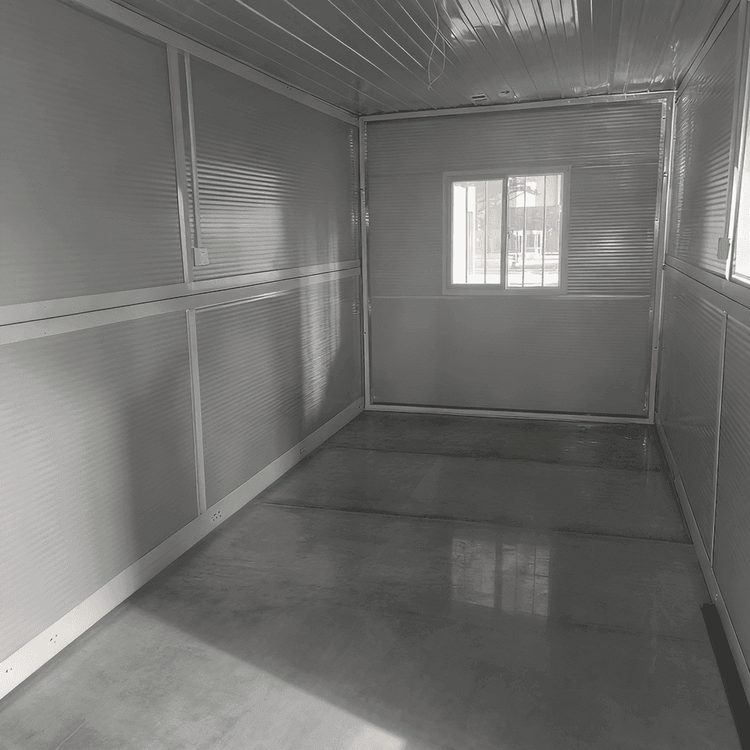
Insulation Layer Composite Process adopts a multi-layer structure. The outer layer is a color-coated steel corrugated sheet, with the inner layer filled with polyurethane foam. Pouring must occur in a constant temperature and humidity environment to ensure uniform foaming. The composite process combines physical anchoring and chemical bonding to prevent thermal bridging and enhance overall insulation performance.
Sewage System Negative Pressure Design relies on a micro vacuum pump to generate constant negative pressure, directing waste along dedicated pipes to collection containers. The system features small-diameter, flexible pipes, with key control points being the maintenance of airtightness and precise regulation of negative pressure values to prevent waste leakage or blockage.
Photovoltaic Energy Integration Solution involves custom brackets to fit photovoltaic panels closely to the roof's curved surface, reducing wind resistance and improving light collection efficiency. Energy storage devices use low-temperature lithium battery packs equipped with intelligent charge-discharge controllers to ensure normal operation during continuous rainy weather.
Intelligent Monitoring Sensor Network deploys multi-parameter sensors, including odor concentration detectors, liquid level sensors, and temperature-humidity monitors. These are networked via low-power IoT modules to collect real-time operational data and provide fault alerts, enhancing operational efficiency.
Construction Preparation and Resource Allocation require tailored design. Technical preparations include geological radar scanning to detect permafrost thickness and groundwater levels, and material pretreatment involving low-temperature impact toughness testing of steel and the selection of silicone weather-resistant sealants. Resource allocation necessitates equipment such as plateau-type loaders, low-temperature hydraulic breakers, and diesel warm air heaters, with material warehouses established in Xining and Golmud.
Installation Accuracy Inspection Method employs 3D laser scanning to obtain complete point cloud data for comparison with design models, focusing on detecting verticality deviations, seam flatness, and equipment installation positioning accuracy to ensure construction quality meets standards.