
Qinghai Internet-Famous Container House
The Qinghai internet-famous container house is a distinctive building that uses creative containers as carriers, integrating tourism, commercial, or residential needs. It features modularity, mobility, and flexible design, and is widely applied in Qinghai's cultural tourism projects, construction site temporary buildings, and campsites.
1. Internet-Famous Container Houses in Cultural Tourism Scenarios
The Qinghai Minhe Peach Blossom Source Block is a typical example. In 2026, Jiejing Dream Factory used 63 creative containers as the core to construct a creative alley with a total building area of 1,776 square meters through staggered arrangements and modular design. This project abandoned traditional landscaping methods and integrated into the urban fabric with a light-intervention concept. It not only retained the industrial aesthetic of the containers but also created a sense of warmth through color matching and functional zoning (such as shops, cafes, and guesthouses), becoming a landmark scene for the local cultural tourism brand 'Qinghai-Tibet Tour - Starting from Minhe'.
2. Functional and Adaptive Design
Qinghai has a special climate (large temperature differences between day and night, strong ultraviolet rays, and frequent sandstorms), so internet-famous container houses need targeted optimizations:
- Structural Strength: Galvanized steel plates (columns ≥ 2.0mm, roof beams ≥ 1.5mm) and robotic welding processes are used to ensure wind and earthquake resistance (such as withstanding a magnitude 7 earthquake and a typhoon of force 12).
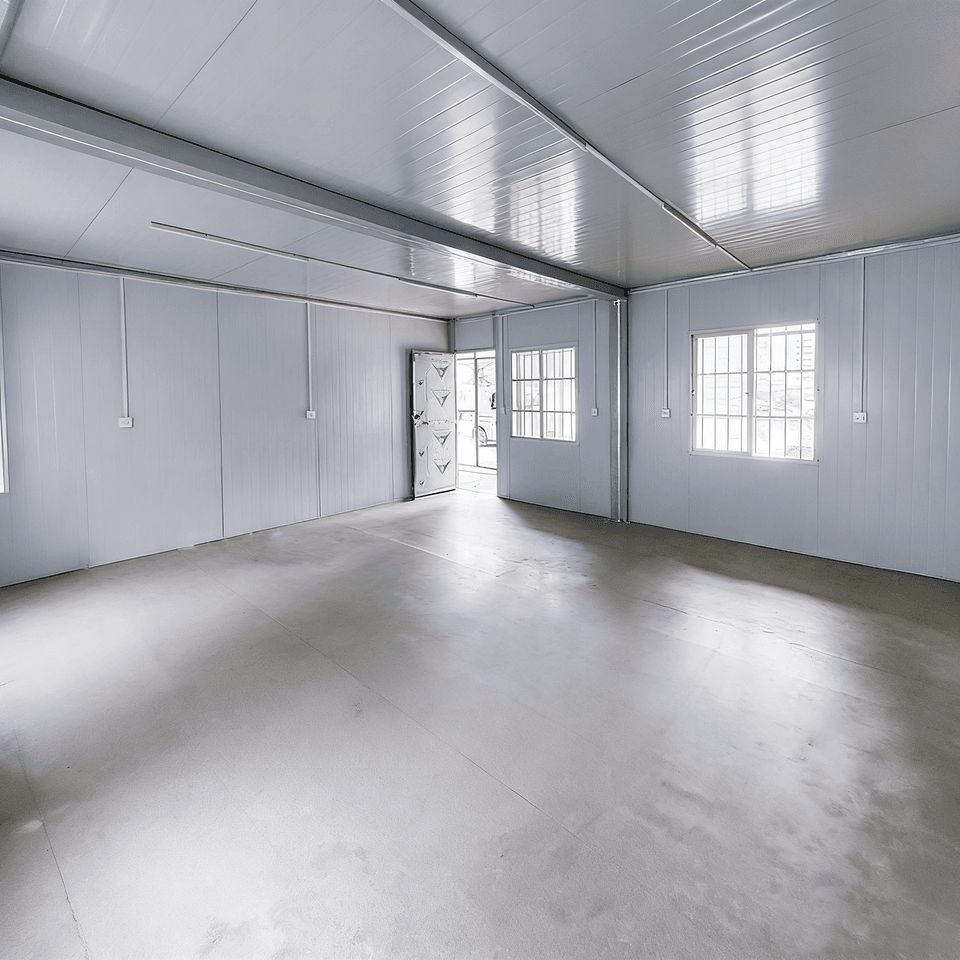
- Material Selection: Rock wool panels with fire ratings of Class A or B1 are used for sandwich panels to avoid the flammability issues of foam panels; the surface coating uses weather-resistant polyester paint or fluorocarbon paint to extend the service life.
- Environmental Protection and Energy Efficiency: Integrated insulation, heat insulation, and ventilation functions are included. Some projects (such as Zhou Mu's container house on the Qinghai-Tibet Plateau) reduce damage to grasslands through elevated designs and customize floor-to-ceiling windows to optimize lighting.
3. Customization and Commercial Applications
Qinghai internet-famous container houses support non-standard size customization and internal layout modifications (such as independent bathrooms, shower rooms, and staircase corridors) to meet diverse needs in construction site temporary buildings, commercial blocks, and campsites:
- Construction Site Scenarios: They are characterized by cost-effectiveness and flexible assembly and disassembly, providing temporary office and accommodation solutions. Some manufacturers (such as Jinruiyuan) emphasize case verification and after-sales support (such as a 3-year warranty and 24-hour response).
- Commercial Scenarios: Combined with glass curtain walls, double-layer structures, etc., they create internet-famous shops, cafes, or guesthouses to attract tourists to check in (such as the creative retail store solutions provided by Suzhou manufacturers).
- Campsite Scenarios: Through elevated designs, modular combinations, etc., they balance aesthetics and ecological protection, becoming a key factor in their popularity (such as discussions on Douyin-related topics).
4. Market Supply and Manufacturer Selection
There are multiple suppliers in Qinghai and its surrounding areas (such as Xining and Haixi) that offer ready-made or customized container house services. Prices vary depending on materials and scale (such as starting at 10,000 yuan per unit for basic models and reaching 10,000 yuan per square meter for high-end customized models). When selecting a manufacturer, the following aspects should be examined:
- Qualifications and Cases: Verify the business license scope (such as 'manufacturing/sales of prefabricated houses') and local project experience (such as cases in Xining construction sites and Haixi mining areas).
- Service Capabilities: Including non-standard customization, transportation and installation (whether lifting fees are included), and after-sales maintenance (such as warranty period and response time).
- Materials and Processes: Prioritize the use of fire-resistant rock wool panels, robotic welding, weather-resistant coatings, etc., to avoid low-price traps and additional charges.



