Back to blog
Article
Structure of Mobile Toilets in Qingdao
Admin October 03, 2026
The structure of mobile toilets in Qingdao can be classified and described from five dimensions: structural form, frame composition, functional facilities, auxiliary systems, and material customization:

I. Classification by Structural Form
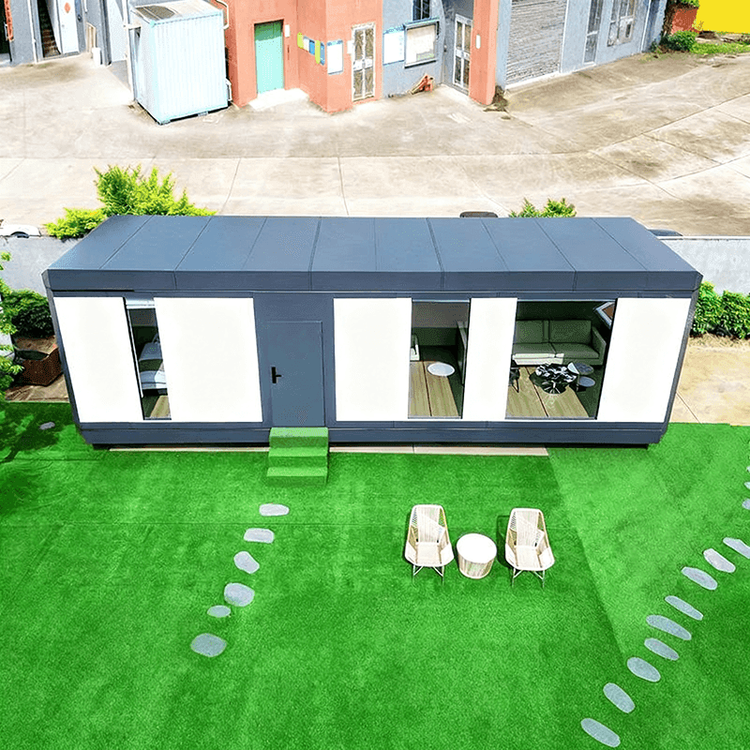
- Single-unit Structure: Independent and compact, occupying a small area, suitable for space-constrained locations such as street corners and secluded areas in parks. It can be quickly deployed and is highly mobile.
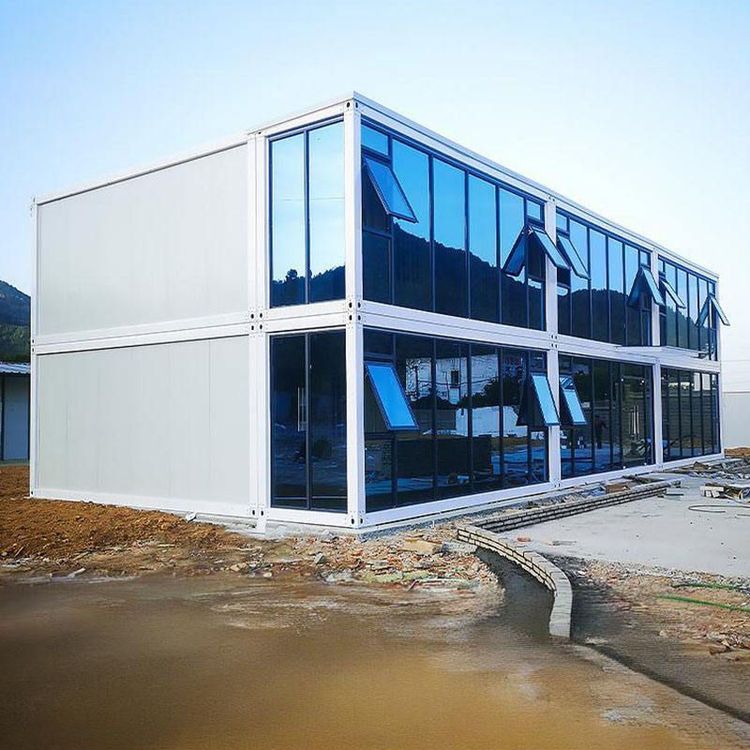
- Composite Structure (Combined Structure): Composed of multiple single-unit toilets joined together, meeting the high foot traffic demands of large events or transportation hubs, and supporting simultaneous use of multiple toilet stalls.
II. Classification by Frame Composition
- Main Frame: Constructed using welded steel (channel steel/square steel), with reinforced bottom for load-bearing stability. High-end models use lightweight steel structures paired with aluminum alloy shells, providing earthquake and wind resistance.
- Walls and Roof:
- Exterior Walls: Metal carved panels (insulating and fire-resistant), color-coated steel sheets, or stainless steel sheets, adapting to different climatic conditions.
- Interior Walls: Bamboo fiber panels, solid wood panels, or waterproof panels, balancing moisture resistance and aesthetics.
- Roof: Asphalt shingles, colored stone metal tiles, or integrated designs, with some equipped with waterproof layers.
- Floor: Laid with anti-slip flooring or imitation marble tiles to ensure safety during use.
III. Classification by Functional Facilities
- Sanitary Units: Squat toilets are primarily made of ceramic, while sit toilets are mostly smart types (with automatic flushing). Urinals come in standing and hanging types, with some supporting wet-dry separation designs.
- Flush Systems: Equipped with flush tanks, infrared-sensing flush devices, or water-saving graywater systems to reduce water consumption.
- Cleaning and Washing Areas: Include ceramic/stainless steel sinks, sensor faucets, automatic paper towel dispensers, and soap dispensers, with standard features such as mirrors, coat hooks, and grab bars (barrier-free design).
IV. Classification by Auxiliary Systems
- Ventilation and Lighting: Louvers and exhaust fans ensure air circulation; LED lighting + concealed lighting designs, with smart public toilets incorporating human-machine coexistence disinfection lights.
- Smart Controls (Optional): Sensor door locks, occupied/unoccupied indicators, environmental monitoring screens (displaying temperature, humidity, and air quality), and touch-screen controls for air conditioning, ventilation, and lighting.
- Water, Electricity, and Sewage: Independent water tanks, inlet/outlet pipes; some connected to municipal sewage networks or equipped with mobile sewage storage tanks, with main power switches and waterproof sockets ensuring electrical safety.
V. Classification by Material and Customized Design
- Materials: Color-coated steel sheets, metal carved panels, anti-corrosion wood, aluminum-plastic panels, etc., suitable for temperature ranges from -50℃ to 50℃.
- Dimensions and Layout: Common single-stall dimensions are approximately 1.1m × 2.3m (width × length), with customization available (e.g., double-stall units at 1.8m × 2.6m); toilet stall layouts include separate male and female units, barrier-free restrooms, or management rooms.
- Exterior Adaptation: Frosted glass doors and windows, breathing light status indicators, and scenic/urban-style exteriors that blend with the surrounding environment.
Mobile toilets in Qingdao achieve rapid disassembly and transportation through modular assembly (base, side panels, and roof slot fixation), adapting to various scenarios.