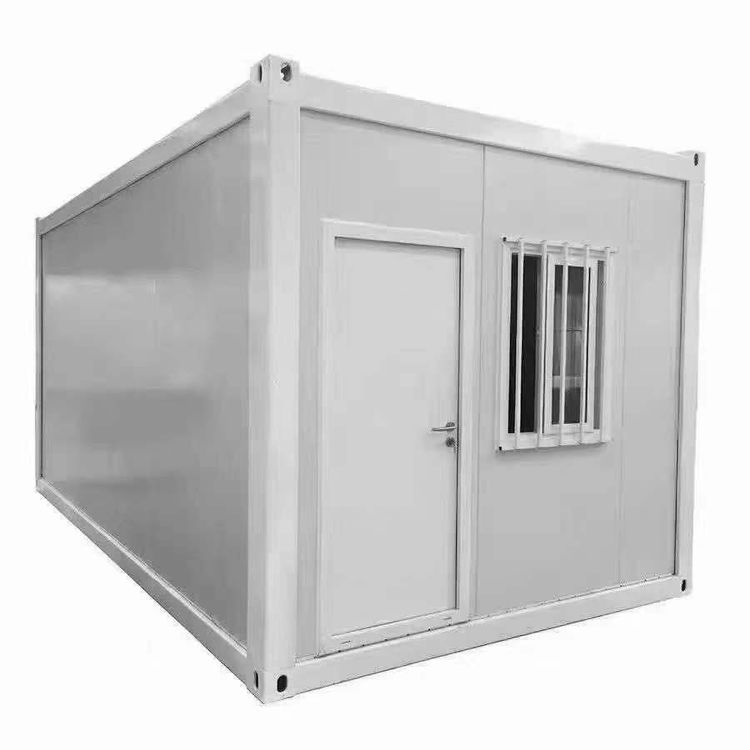
Qingdao Mobile Environmental Toilet Inspection
The inspection of mobile environmental toilets in Qingdao covers multiple aspects such as structure, materials, hygiene, convenience, comfort, and environmental protection to ensure their performance meets standards, they are safe and reliable, and comply with environmental requirements.

Structural Strength and Stability Inspection
This primarily evaluates the tensile and compressive strength of the frame materials of the mobile toilets to ensure they do not deform or break easily during transportation, installation, and use. Simultaneously, the overall stability is tested to verify whether they remain stable under different ground conditions (such as soft soil, slopes) and external forces (such as strong winds, collisions), avoiding the risk of tipping or displacement.
Material Durability Inspection
This includes corrosion resistance testing (simulating humid and chemical exposure environments), weather resistance testing (high temperature, low temperature, ultraviolet radiation), and fire resistance testing. Long-term experiments are conducted to verify whether the materials are prone to aging and corrosion and to ensure they possess flame retardancy, extending their service life and reducing safety hazards.
Hygiene Performance Inspection
This covers the sewage discharge system (discharge efficiency, sealing), ventilation system (air circulation effectiveness), disinfection and deodorization equipment (odor control, bacterial killing effectiveness), and cleaning difficulty. For example, it tests whether the sewage pipes are clogged, whether the vents effectively exchange air, whether the disinfectants can quickly kill pathogens, and whether the internal structure is easy to clean and maintain daily.
Convenience and Comfort Inspection
This evaluates the rationality of the internal space layout (such as the spacing between squatting positions, the range of door opening), the operability of equipment (such as the height of the flush buttons, the stability of handrails), the brightness and distribution of the lighting system (avoiding shadow areas), and the anti-slip performance of the floor (especially in humid environments). These indicators directly affect the user experience and need to ensure compliance with ergonomic design.
Environmental Performance Inspection
This includes wastewater treatment effectiveness (testing whether indicators such as COD and ammonia nitrogen meet standards), energy consumption assessment (such as the resource consumption of lighting and ventilation systems), and material environmental friendliness (such as whether they contain harmful substances like formaldehyde and heavy metals). Some inspections also analyze the wastewater recycling rate and overall carbon footprint to verify their environmental compliance.
In addition, the inspection report may supplement structural safety (such as the stability of the box frame, wind and earthquake resistance, and the reliability of door and window locks) and hygiene indicators (such as air quality monitoring, microbial sampling analysis, and cleanliness assessment of high-frequency contact areas) to further ensure safety and hygiene standards in use.