Qianjiang Park Mobile Toilet
The construction of mobile toilets in Qianjiang Park has seen significant improvements in functionality, intelligence, and environmental harmony.

I. Diversified Functions and Human-Centered Design
The mobile toilets in Qianjiang Park have broken away from traditional single-function models and transitioned towards diversified services. Taking the newly built public restroom in Tianshenghu Park on Zhengyang Street as an example, it covers an area of 134 square meters, features 25 toilet stalls, and is equipped with basic facilities such as mirrors, hand dryers, and barrier-free amenities, addressing visitors' restroom needs while enhancing their overall experience. Additionally, the mobile toilets integrate modules like baby care rooms and third-gender restrooms, providing convenience for special groups (such as parents with infants and individuals with disabilities) and reflecting the humanistic care of public services. Some public restrooms also explore the “toilet-sustaining-toilet” model, achieving sustainable operation through the inclusion of convenience stores, which not only reduces maintenance costs but also offers additional services to visitors.
II. Intelligent Management and Convenience Services
The newly built public restrooms have introduced smart guidance systems that display real-time updates on available toilet stalls and monitor air quality (such as ammonia and hydrogen sulfide concentrations) through screens, preventing visitors from waiting in line or encountering unpleasant odors. Some public restrooms are open 24 hours a day, meeting the needs of nighttime visitors and further expanding the scope of services. The application of intelligent equipment not only improves management efficiency but also optimizes cleaning frequencies through data feedback, ensuring a clean environment.
III. Environmental Harmony and Adaptive Design
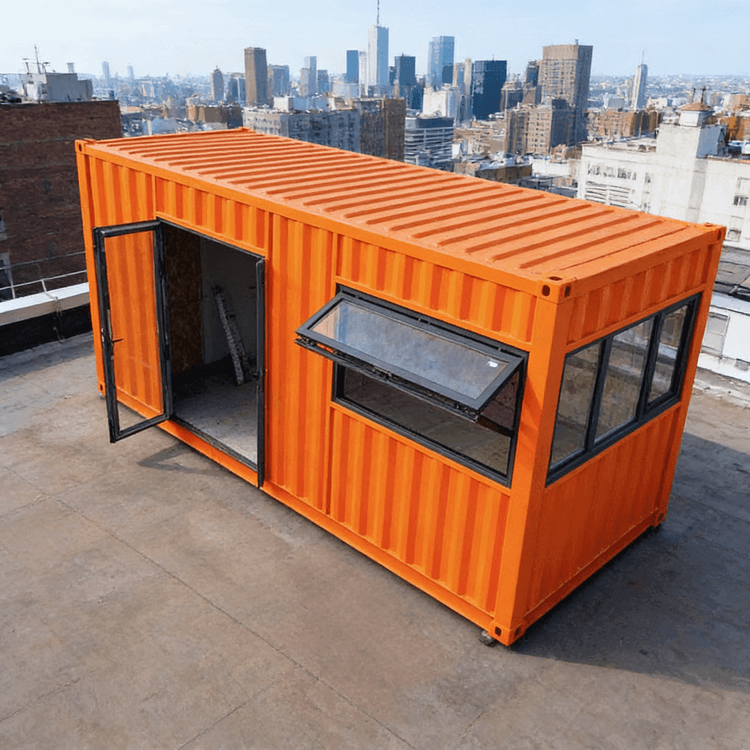
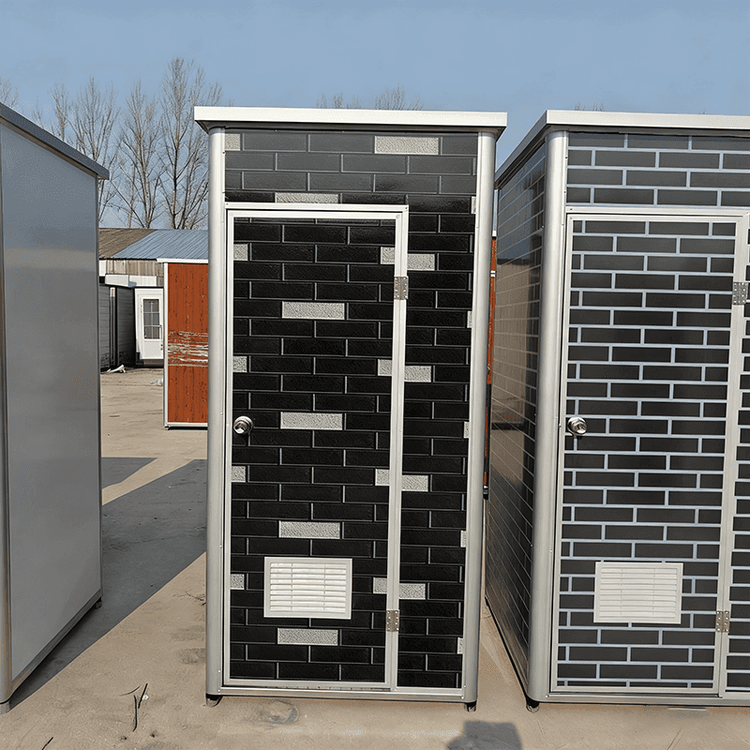
Qianjiang District emphasizes the integration of mobile toilets with their surrounding environments during selection. Container-style, outdoor movable, and antique-style mobile toilets are customized in appearance according to their placement scenarios (such as modern parks, tourist attractions, and historic districts), using materials and colors that match the natural or architectural styles to avoid a jarring appearance. For example, antique-style mobile toilets may feature wooden textures or sloped roofs to harmonize with ancient architectural complexes, while modern container-style toilets blend into urban landscapes with clean lines. This adaptive design not only enhances the city's image but also minimizes ecological disruption.
IV. Flexible Deployment and Emergency Support
The “mobility” of mobile toilets is their core advantage. During peak tourist seasons or large-scale events, they can be quickly deployed to areas with high foot traffic to alleviate restroom pressure; in the event of disasters, they can also serve as emergency facilities to meet basic needs. This flexibility enables public service resources to dynamically match actual demands, improving urban management efficiency.