
Purpose of Setting Up Mobile Toilets
The purposes of setting up mobile toilets mainly include providing convenient services, saving resource costs, having strong adaptability and high flexibility, improving citizens' quality of life, being environmentally friendly, and facilitating municipal management.
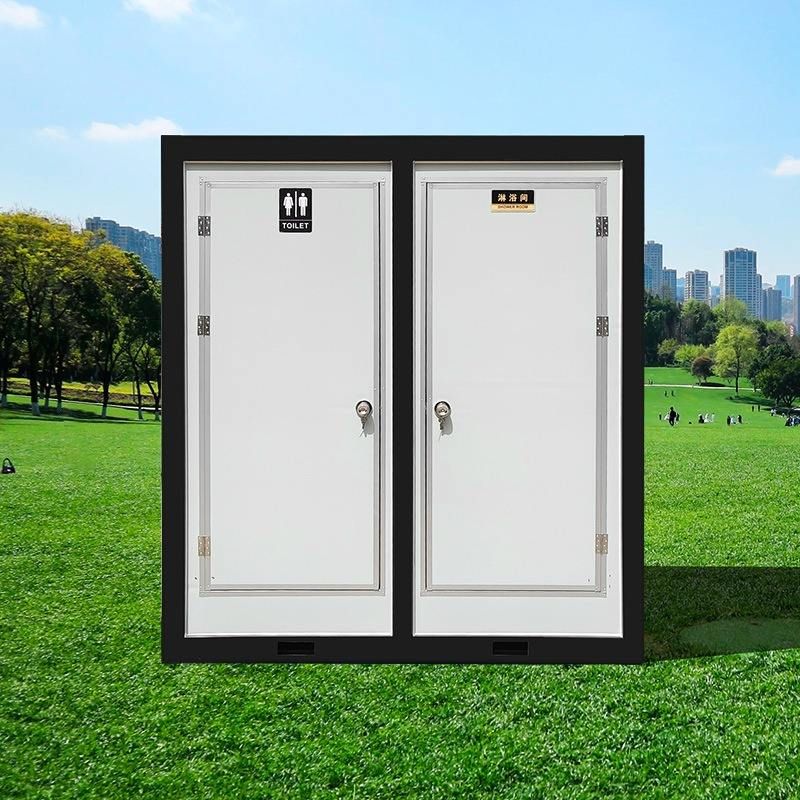
Providing Convenient Services: In scenarios such as outdoor activities, temporary construction sites, large-scale event venues (e.g., music festivals or sports events), and peak tourist seasons, traditional fixed toilets often fail to meet the demand. Mobile toilets, with their flexibility and portability, can quickly fill this gap, providing convenience and comfort to people, ensuring the smooth progress of events, and enhancing participant satisfaction. For example, in tourist attractions, by flexibly allocating mobile toilets, it is possible to effectively cope with peak tourist flows and improve the visitor experience.
Saving Resource Costs: Compared to traditional brick-and-mortar public toilets, mobile toilets have lower construction costs and do not require significant time and effort for site selection, construction, and design. Their factory-prefabricated nature allows them to be transported directly to the site for installation, shortening the construction period and reducing investment in human, material, and financial resources. At the same time, mobile toilets occupy a small area, making their use of land resources more economical and reasonable, aligning with the concepts of energy conservation, emission reduction, and low-carbon environmental protection.
Having Strong Adaptability and High Flexibility: Mobile toilets are not restricted by geographical conditions and can be rapidly deployed in complex terrains (e.g., remote mountainous areas, tourist attractions, and natural disaster sites) to meet usage needs in special environments. Additionally, their modular design allows for the addition or reduction of units according to actual needs, achieving optimal configuration. For example, during peak tourist seasons, cities can flexibly allocate mobile toilets to alleviate toilet pressure in areas with high pedestrian traffic.
Improving Citizens' Quality of Life: Mobile toilets make it convenient for citizens to solve their toilet needs anytime and anywhere, reducing the phenomenon of direct excretion in public places due to the inability to find a restroom, thereby improving urban sanitation levels.
Being Environmentally Friendly: Some mobile toilets are equipped with built-in waste treatment equipment that can process wastewater and human excreta to meet environmental standards, reducing pollution to the environment.
Facilitating Municipal Management: Mobile toilets can be moved to where they are needed at any time, providing city managers with a more flexible and efficient management approach, such as serving as supplementary temporary public sanitation facilities in municipal squares and urban commercial areas.



