
Pu'er Craft Mobile Toilet
Pu'er craft mobile toilets are modern sanitation facilities that integrate various craftsmanship techniques, materials, and functional designs. The following provides an introduction from three aspects: craftsmanship, material selection, and functional design:
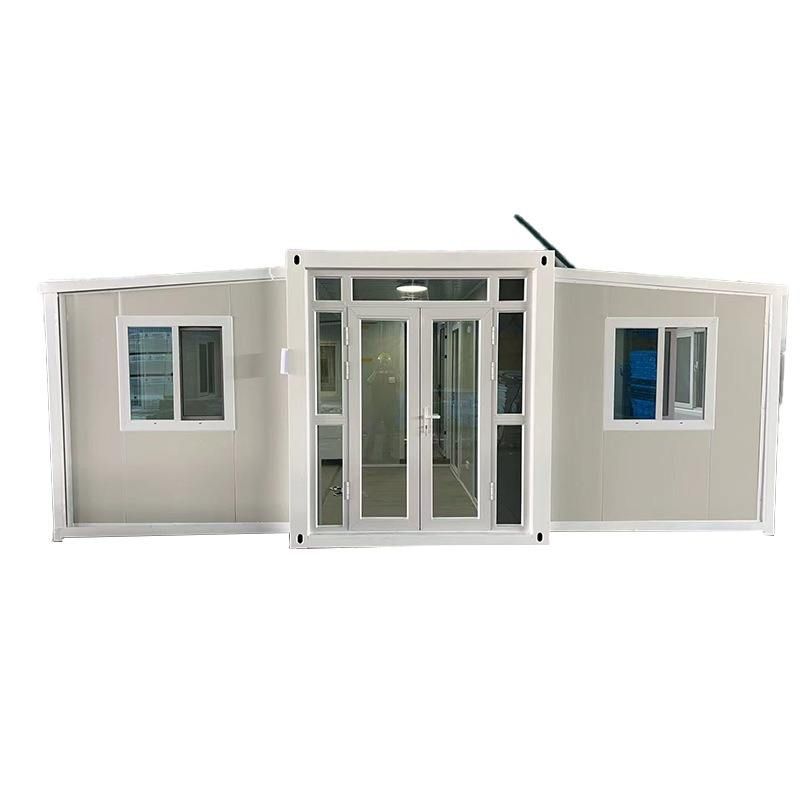
In terms of craftsmanship, Pu'er craft mobile toilets mainly employ welding and prefabricated assembly techniques. The welding process involves melting metal materials at high temperatures and allowing them to cool and solidify, achieving a firm connection between components. This ensures the overall structural stability of the toilet, enabling it to withstand external forces during daily use and transportation, making it suitable for processing materials such as steel structures. The prefabricated assembly technique involves manufacturing various components of the toilet, such as walls, roofs, doors, and windows, in a factory setting. These components are then transported to the site for rapid assembly. This approach improves construction efficiency, shortens the construction period, and facilitates later maintenance and component replacement, making it particularly suitable for locations with time constraints for construction.
Regarding material selection, steel structures and stainless steel are commonly used materials. Steel structures offer advantages such as high strength, light weight, and good seismic performance, providing a sturdy support framework for the toilet. They can also be flexibly shaped according to design requirements to meet aesthetic needs in different scenarios. Stainless steel, on the other hand, is characterized by corrosion resistance, ease of cleaning, and long service life. It is often used for internal toilet facilities such as sinks and toilets, as well as external decorative components, ensuring not only the hygiene of the toilet but also enhancing its overall texture and durability.
In terms of functional design, Pu'er mobile toilets fully consider functions such as thermal insulation, aesthetic appeal, and intelligent automatic control and management. The thermal insulation design utilizes special insulation materials and a reasonable building structure to effectively reduce heat exchange between the interior and exterior, enabling the toilet to maintain a comfortable temperature in different seasons and improving user comfort. The aesthetically pleasing design emphasizes harmony with the surrounding environment, employing clean and flowing lines and fashionable color combinations to make the toilet an integral part of the urban landscape. The intelligent automatic control and management function utilizes modern technological means, such as sensors and automatic control systems, to control functions such as automatic flushing, ventilation, and lighting in the toilet. It can also monitor the usage status and environmental parameters of the toilet in real-time, facilitating remote monitoring and maintenance by management personnel, improving management efficiency and service quality.



