
Portable Independent Toilet
A portable independent toilet is a facility that can be moved as a whole to provide toilet services for the public and customers.
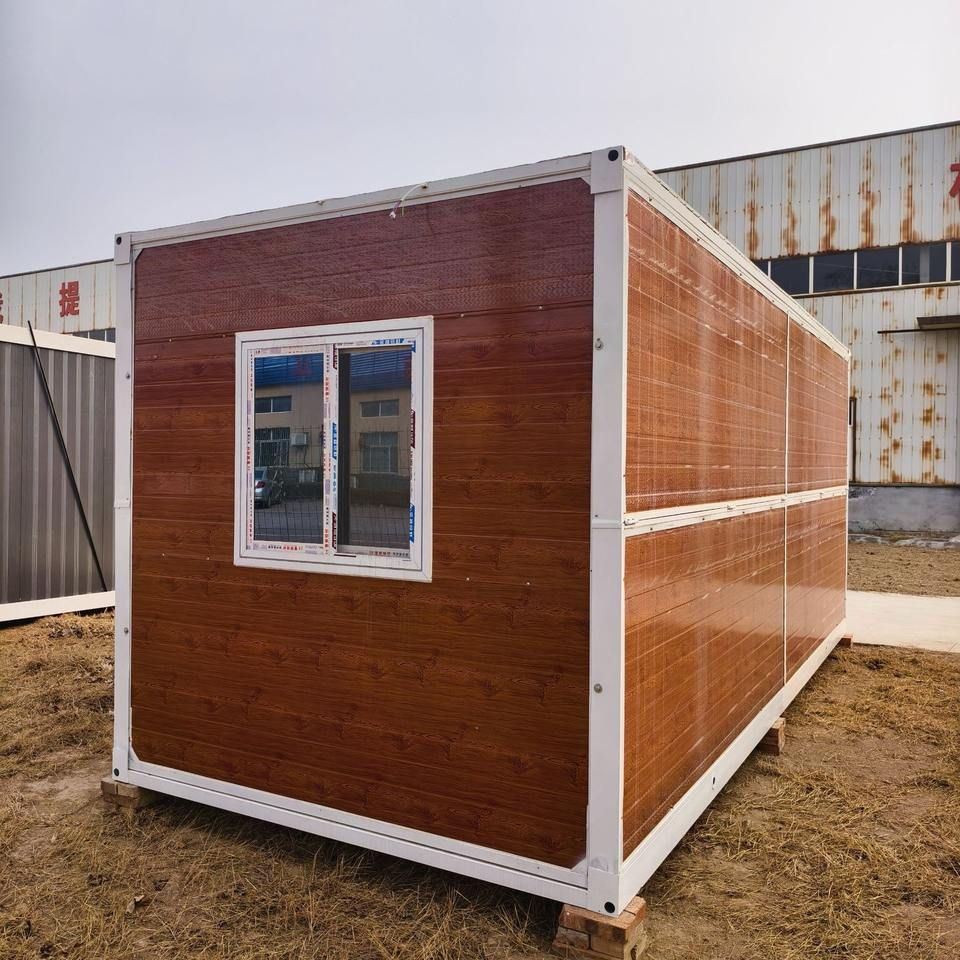
Suitable locations: Portable independent toilets have a wide range of applications, covering various locations with fixed or temporary needs. Stations and docks, as transportation hubs with high passenger flow, require such toilets to meet the needs of travelers. Tourist attractions, villa areas, and newly built residential communities can arrange them flexibly according to actual conditions. Large construction sites, where personnel are concentrated and construction periods may be long, can benefit from the convenient toilet facilities provided by portable independent toilets. Squares, densely populated public places, and bustling commercial streets, with high foot traffic, can alleviate the pressure on public toilets by setting up portable independent toilets.
Composition and structure: They are generally composed of multiple parts. The fecal sewage storage tank (or fecal sewage treatment device) is used to collect and treat fecal sewage. The floor ensures stability and comfort during use. Sanitary ware is the basic equipment for using the toilet. Walls serve to separate and protect privacy. Washing equipment facilitates user cleaning. Water tanks provide water for flushing and other purposes. The roof offers shelter from wind and rain. The mobile device enables its portability.
Classification methods:
- By structural form: They can be divided into single-structure mobile toilets and composite-structure mobile toilets. Single-structure toilets are relatively simple and independent, while composite-structure toilets may be more complex in terms of function or spatial combination.
- By moving method: There are lifting and handling-type mobile toilets, which usually require lifting equipment for movement. Power-driven and towed-type mobile toilets can be moved by their own power or by being towed by other vehicles.
- By sewage treatment method: They are classified into water-flush and waterless-flush suction-type mobile toilets. Water-flush toilets have better cleaning effects, while waterless-flush suction-type toilets are more water-saving. Recirculating water-flush mobile toilets can recycle water. Dry-packing mobile toilets pack and treat feces without the need for water flushing.
Practical application cases: The grid-style mobile toilet with an independent single room can be used in scenic spots, campsites, parks, and other places. The pointed-roof style, equipped with a partition and a rain-proof corridor, is unisex, has a higher usage frequency, and can also be used as a shower. In addition, some people make portable toilets using water storage tanks and pallets. By fixing universal wheels at the bottom of the pallet, placing and treating the water storage tank, and installing equipment such as toilets, faucets, washbasins, and showerheads, they create convenient and practical portable toilets.



