
Back to blog
Article
Professional Mobile Toilet Safety Inspection
Admin October 08, 2026
Professional mobile toilet safety inspection covers multiple aspects such as building structure, usability, and environmental safety. Specific inspection items and methods are as follows:
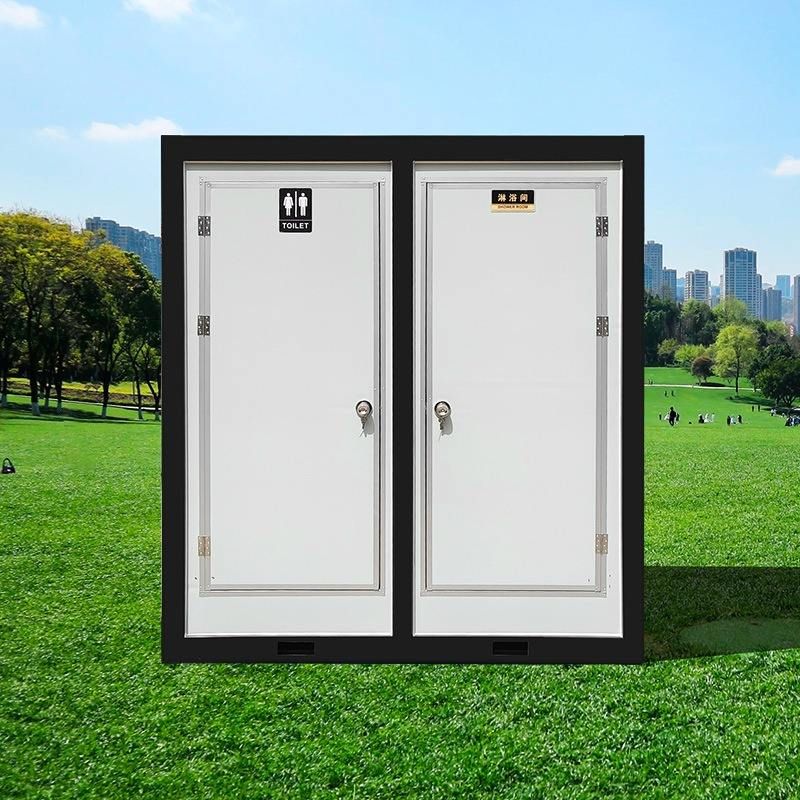
Building and Structural Safety Inspection
- Building Structure Verification: Use tools such as laser distance meters and steel tapes to conduct sampling verification of toilet wall distribution, door and window dimensions, structural axis lines, and heights to ensure consistency with the original design.
- Structural Damage Inspection: Check load-bearing components (such as steel beams and columns) for aging, deformation, and the reliability of node connections, as well as cracks in welded areas.
- Structural Safety Calculation: Based on the 'Building Structural Load Code', combine on-site data and original design information to perform load-bearing capacity analysis using PKPM software and assess structural safety.
- Steel Material Performance Inspection: Conduct non-destructive testing on steel structure welds and test the tensile strength, yield strength, and impact toughness of steel materials (selected according to owner requirements).
Wind and Earthquake Resistance and Environmental Adaptability Inspection
- Wind and Earthquake Resistance Performance: Simulate wind or earthquake forces to test the overall structural stability, support firmness, and material strength; test the reliability of protective facilities (such as fixing devices) and assess wind pressure and vibration resistance capabilities.
- Environmental Adaptability: Test toilet stability under extreme conditions such as high temperature, low temperature, and humidity to ensure normal functionality.
Equipment and System Function Inspection
- Internal Equipment: Visually inspect the appearance of toilets and sinks for damage and test drainage functionality for smoothness.
- Water Supply and Drainage System: Conduct pressure tests on water supply pipes and drainage tests to check pipe patency, ensuring no leaks or blockages.
- Electrical System: Use voltmeters and ammeters to test the working voltage and current of lighting, ventilation, and other equipment, and perform functional tests to confirm normal operating status.
- Environmental Protection System: Test the water consumption of water-saving devices and use odor detectors to evaluate deodorization effects, ensuring environmental protection standards are met.
Hygiene and Safety Detail Inspection
- Hygiene Conditions: Visually inspect the cleanliness of floors and walls and use bacterial culture dishes for sampling analysis of hygiene conditions.
- Other Items: Include waterproof sealing, ventilation exchange rate, formaldehyde/VOC emissions, corrosion resistance, flame retardancy, and anti-slip performance to ensure safety and comfort in use.



