
Principle of Rotating Mobile Toilet
The principle of a rotating mobile toilet mainly revolves around its core sewage discharge system. If 'rotating' specifically refers to the operation of the rotating vane pump in the sewage discharge system, its core is to generate a pressure difference through rotation to assist in waste collection; if it involves other rotating structures, analysis needs to be combined with specific technical types.
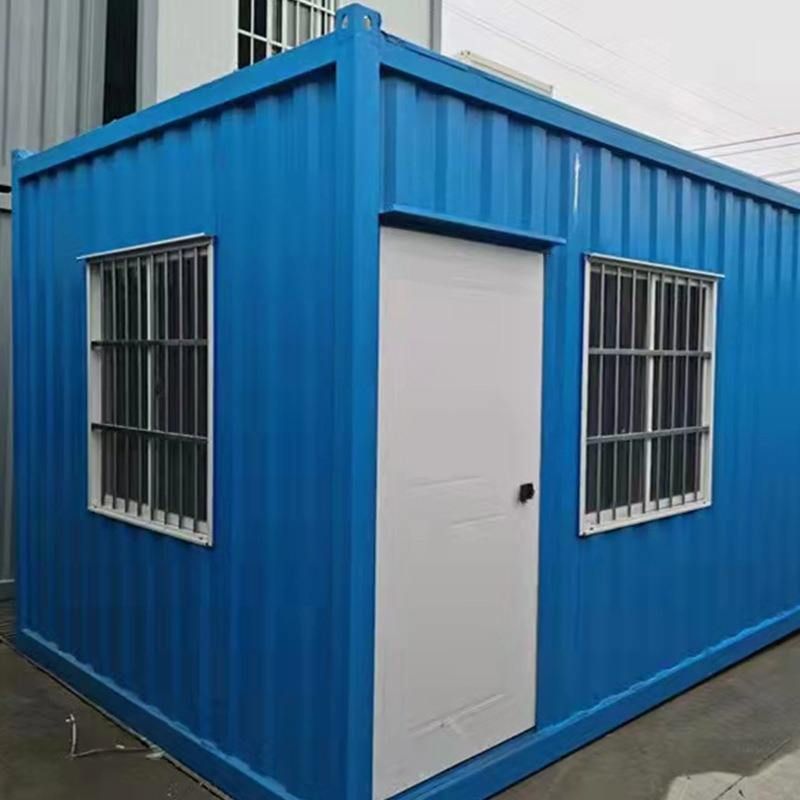
The core working mechanisms of mobile toilets include spatial isolation, waste treatment, and environmental control technologies, with the sewage discharge system being the key. Some mobile toilets adopt negative pressure technology, relying on diaphragm pumps or rotating vane pumps to create an environment below atmospheric pressure in the fecal collection tank, allowing waste to enter the sealed container along a short path. If 'rotating' refers to the operation of the rotating vane pump, its principle is to change the air pressure inside the fecal collection tank through the rotation of the vanes inside the pump: When the vanes rotate, the space inside the fecal collection tank is periodically compressed and expanded, forming local negative pressure zones. Waste is rapidly sucked into the sealed container under the action of the pressure difference, preventing leakage and odor diffusion. This design is particularly suitable for scenarios without sewer connections, such as outdoor events or temporary locations.
Among other mobile toilet technologies, mechanical packaging toilets handle excreta through a transmission gear driving a piston-type scraper on a chain. Its working principle is as follows: After excreta falls into the collection trough, the gear drives the chain to move, which in turn drives the piston-type scraper to push the waste into a sealed packaging bag, completing automatic packaging. Although this process does not explicitly involve a rotating structure, gear transmission itself is a type of rotating machinery and may be associated due to users' broad understanding of 'rotating'. In addition, some high-end mobile toilets adopt biodegradation technology, using microorganisms to decompose excreta. Their stirring devices may include rotating structures to accelerate decomposition, but such designs focus more on waste treatment rather than the sewage discharge system.
It should be noted that the 'rotating' design of mobile toilets is not a universal feature; their core still revolves around sealing, convenience, and environmental protection. The rotating vane pump in negative pressure technology has become a common choice due to its simple structure and high efficiency; while mechanical packaging and biodegradation technologies achieve their functions through other mechanical or biological means, and whether they involve rotation needs to be determined based on specific models.



