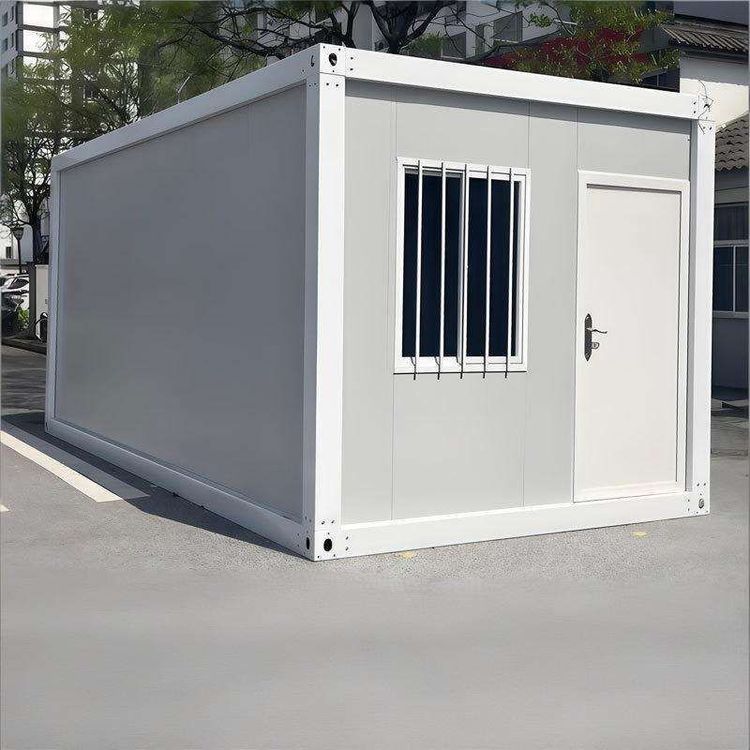
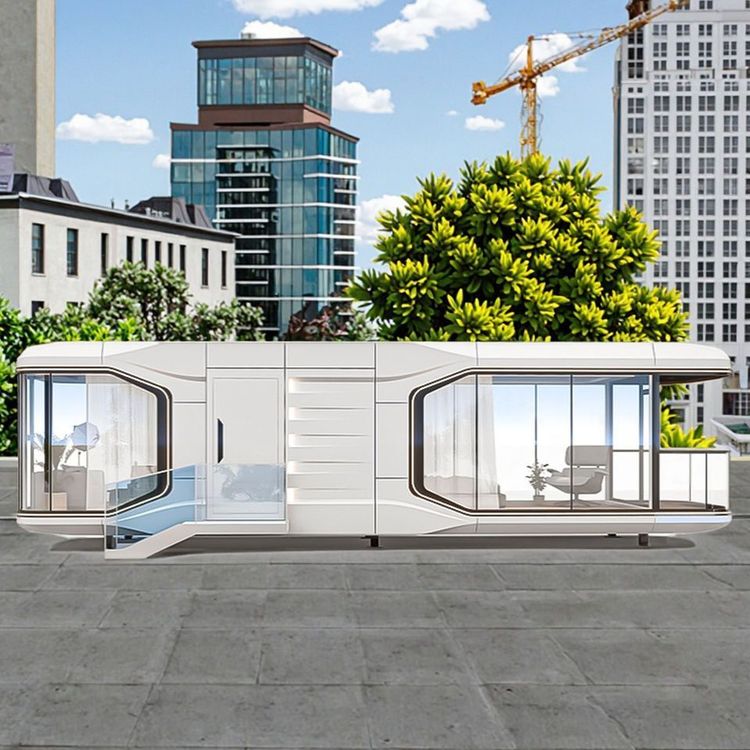
Is Prefabricated Structure House Good or Not
Prefabricated structure houses generally perform excellently, but their pros and cons, as well as applicable scenarios, need to be weighed according to specific needs. The details are as follows:
Advantages
High construction efficiency and controllable costs
Factory production significantly shortens on-site construction time, reducing the construction cycle by 50%-70% compared to traditional buildings. For example, the main assembly of a prefabricated house in rural Henan can take as little as 2 hours, and large-scale production reduces material costs by 20%-40% and labor costs by about 60%. The construction cost of an ordinary prefabricated house is usually 1000-3000 yuan per square meter, showing significant economic efficiency.Outstanding environmental protection and energy-saving advantages
Factory production reduces dust, noise, and waste pollution, with construction waste reduced by 80% and material recycling rates exceeding 90%. Some high-end models integrate solar panels and insulation designs, meeting green building standards and suitable for low-carbon development needs.Improved quality standardization and durability
Prefabricated components are produced using high-precision molds, with concrete strength superior to traditional construction. Their seismic performance has passed seven-level earthquake simulation tests, and new technologies can reach eight-level standards. The design life is generally 30-40 years, and can be extended to 70 years after improvements, showing high quality stability.Strong flexibility and mobility
Modular design supports customized layouts, and some types (such as container houses and light steel structure houses) can be disassembled and reassembled, suitable for scenarios such as tourist homestays, construction site dormitories, and post-disaster temporary housing, meeting diverse needs.
Disadvantages
Poor sound insulation
The sound insulation performance is 20 decibels lower than that of traditional buildings, making activities on the upper floor or external noise easily perceptible, which may affect living comfort and require additional sound insulation materials for improvement.High long-term maintenance costs
After 20 years of use, annual maintenance costs may increase by 1500-3000 yuan, requiring regular inspection of connection points, waterproof layers, and other parts, with maintenance costs higher than those of traditional buildings.Controversy over structural stability
Some users believe that the connection points are prone to cracking and water leakage, and the durability is not as good as that of traditional brick houses. In rural China, they are mostly used as temporary transitional housing, with limited acceptance for long-term residence.
Applicable Scenarios
- European and American markets: Due to high labor costs and a large housing gap, prefabricated houses have significant cost-effectiveness advantages (for example, a prefabricated house costing 200,000 yuan in the United States is highly attractive).
- Domestic scenarios: Suitable for rural self-built houses, tourist scenic spot homestays, urban temporary housing, and post-disaster reconstruction, etc. However, the rural popularity rate is limited by factors such as the close cost to traditional self-built houses and psychological preferences.
Summary: Prefabricated structure houses perform outstandingly in terms of efficiency, cost, and environmental protection, and are suitable for scenarios pursuing rapid construction, low-carbon living, or temporary use. However, issues such as sound insulation, maintenance, and long-term durability need to be weighed. The specific choice needs to be comprehensively judged based on usage needs, budget, and regional characteristics.