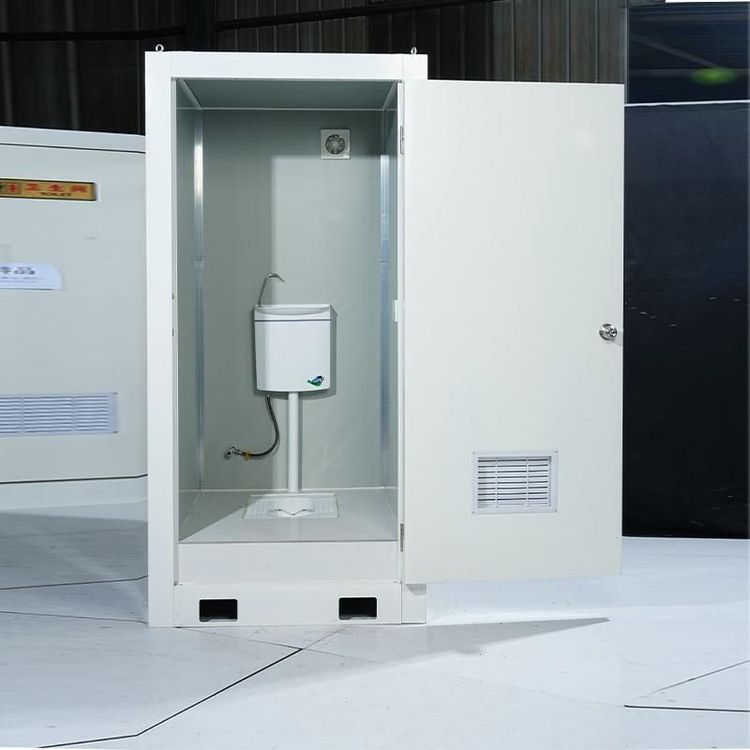
Prefabricated PVC House
Currently, there is no standardized definition or mature application case of 'prefabricated PVC houses' explicitly mentioned in publicly available information, but reasonable speculation and analysis can be made by combining prefabricated building technology with the characteristics of PVC materials.

1. Core Logic of Prefabricated Building Technology
The core of prefabricated buildings lies in 'factory production + on-site assembly', which improves construction efficiency, reduces costs, and minimizes environmental impact through standardized and modular design. For example, PPVC (Prefabricated Prefinished Volumetric Construction), widely used in Singapore, has been applied in projects such as hotels and residences. The modules are prefabricated in China and then shipped to Singapore for assembly, significantly shortening the construction period. In China, the promotion of prefabricated components (PC) focuses on the standardized production of materials such as concrete.
2. Potential Applications of PVC Materials in Construction
PVC (polyvinyl chloride) has some applications in the construction field due to its lightweight, corrosion resistance, and ease of processing, but it is mostly used as an auxiliary material rather than the main structure:
- Piping Systems: PVC pipes are widely used in concealed works such as drainage and ventilation due to their chemical corrosion resistance and low cost.
- Decorative Panels: Some interior decorations use PVC decorative panels to simulate the textures of wood or stone, offering both waterproof and easy-to-clean advantages.
- Temporary Buildings: In light steel mobile houses or temporary buildings, PVC may be used for non-load-bearing parts such as partitions and roof coverings, but the main structure still relies on steel or concrete.
3. Hypothetical Analysis of 'Prefabricated PVC Houses'
If 'prefabricated PVC houses' refer to prefabricated buildings with PVC as the main material, the following key issues need to be addressed:
- Structural Strength: The mechanical properties of PVC are far inferior to those of concrete or steel, making it difficult to serve as a load-bearing structure alone. It needs to be reinforced with metal frames or composite materials.
- Durability: Long-term exposure to ultraviolet light, high temperatures, or extreme weather conditions may cause PVC to age and become brittle. Modification or coating technologies are required to enhance its weather resistance.
- Application Scenarios: It is more likely to be used in low-rise temporary buildings, post-disaster relief housing, or agricultural facilities rather than high-rise permanent residences.
4. Limitations of Existing Technologies
In current prefabricated building technologies, neither PPVC nor PC uses PVC as the main material. To further explore 'prefabricated PVC houses', the following directions are recommended:
- Review professional architectural journals or industry reports to follow research progress on PVC composite materials in lightweight structures.
- Contact prefabricated building companies or material suppliers to inquire about customized PVC modular products.
- Refer to Singapore's PPVC case studies to analyze whether their modular designs can be adapted to the characteristics of PVC materials.
Conclusion: Currently, 'prefabricated PVC houses' lack a mature definition and widespread practice. Their feasibility requires breakthroughs in material science and prefabrication technology. For specific application plans, it is recommended to supplement more targeted information or consult experts in the architectural field.
You may also like
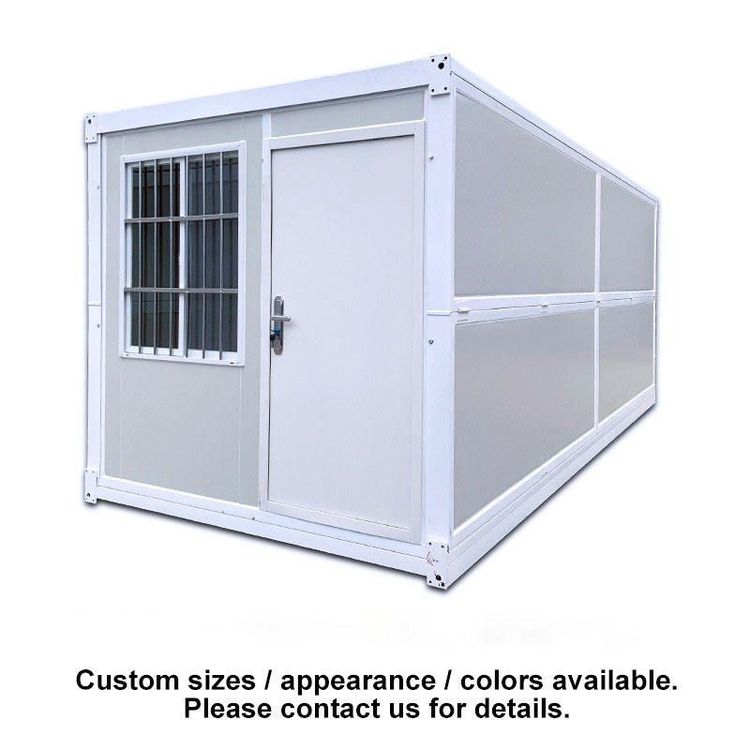
Container House Rendering: Types, Features & Buying Tips
Read More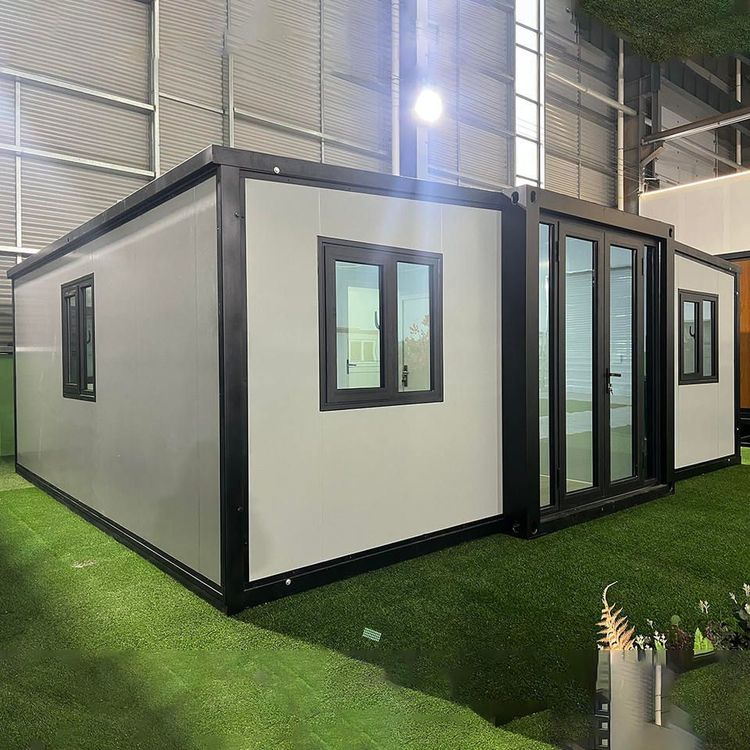
Portable Toilet Types: A Practical Buyer's Guide
Read More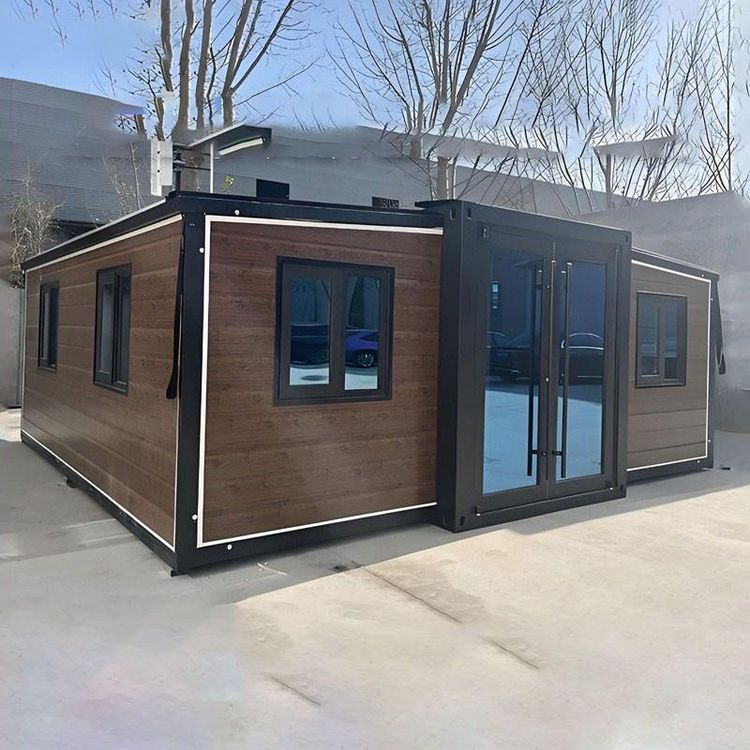
Portable Toilet Movable Eco-Friendly: What to Know Before You Buy
Read More