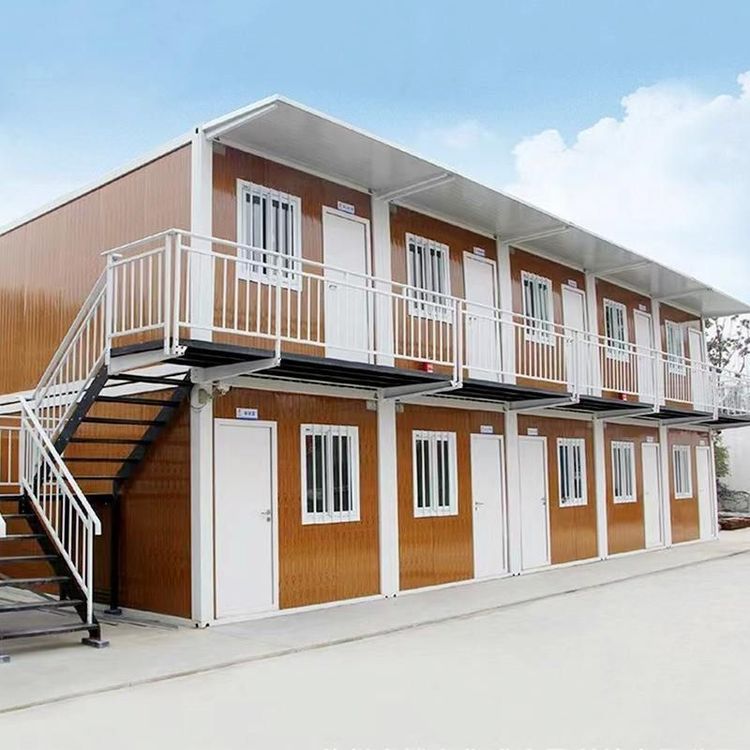
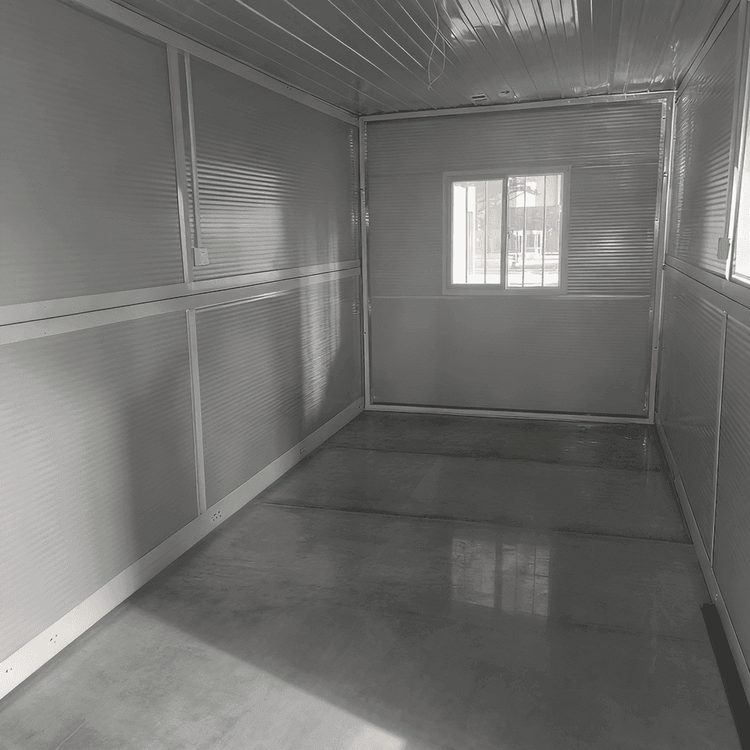
Water Leakage in Prefabricated Panel Houses
Water leakage in prefabricated panel houses is a relatively common issue that requires targeted treatment based on specific causes.

I. Main Causes of Water Leakage
Failure of Panel Joint Sealing
The joints between prefabricated panels are high-risk areas for water leakage. Early construction often used cement mortar to fill these joints. Over time, due to temperature changes and minor structural deformations, the sealing materials tend to age and crack, allowing rainwater to seep in through the gaps. For example, water leakage on the east wall of a balcony may originate from water infiltration through the panel joints, with water permeating indoors along the gaps.Aging of Waterproof Layers
The waterproof layers on roofs or floors (such as membranes or coatings) gradually age over time, leading to issues like cracking and peeling. This is particularly prevalent in older residential buildings constructed between 1990 and 2010, where the performance of waterproof materials is nearing the end of their service life, making it easier for rainwater to penetrate the waterproof layer and directly contact the structural layer, causing leakage.Structural Settlement or Deformation
Uneven settlement of the building foundation can cause cracks to form between prefabricated panels, damaging the original waterproofing system. Additionally, external forces such as earthquakes or loose foundations can also cause structural deformation, further exacerbating the risk of water leakage.Construction Quality Defects
Improper assembly or jointing during construction (such as uncompacted panel joints or non-standard waterproof layer application) can directly lead to hidden water leakage risks. For instance, in a case heard by the Luoshan County People's Court, improper construction practices by the contractor resulted in water leakage and cracking in a prefabricated house, leading to disputes.
II. Responsibility Allocation and Maintenance Recommendations
House-Related Issues
If water leakage is caused by the house's age and lack of maintenance (such as cracks in the prefabricated panel ceiling or damage to bathroom pipes), it typically does not fall under the scope of municipal public area maintenance and must be borne by the homeowner. For example, official responses from "three-no" communities in Chibi City clearly state that such issues should be handled by the homeowners themselves.Construction or Design Defects
If water leakage is caused by the contractor's failure to follow specifications (such as improper joint treatment) or design flaws (such as insufficient drainage slope), homeowners can request the responsible party to carry out repairs or provide compensation through contractual or legal means.
During maintenance, priority should be given to inspecting panel joints, waterproof layers, and pipes. Aging materials should be replaced or reinforced, and construction should comply with standard requirements.