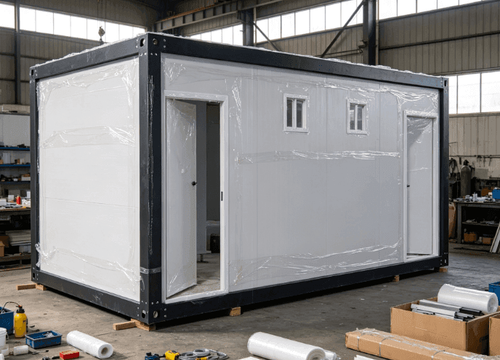
Cracks in the Roof of Prefabricated Panel Houses
Cracks in the roof of prefabricated panel houses may be caused by shrinkage, temperature changes, or foundation settlement, and it is necessary to determine their nature and take corresponding measures based on the characteristics of the cracks.
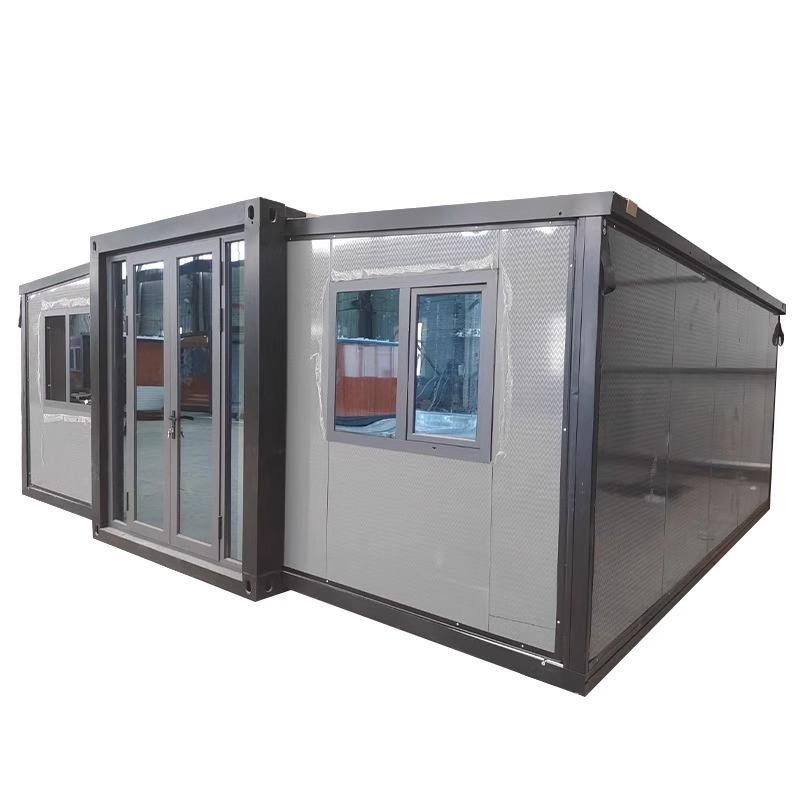
Types and Characteristics of Cracks
Normal Cracks
- Shrinkage Cracks: These are formed when the volume shrinks due to the hydration reaction of cement during the production of prefabricated panels. When the shrinkage stress exceeds the tensile strength of the concrete, cracks occur. The crack width is usually between 0.05 and 0.2 millimeters, evenly distributed, and commonly found on the panel surface or at joints, having a relatively minor impact on structural safety.
- Temperature Cracks: Environmental temperature changes cause the prefabricated panels to expand and contract thermally, generating temperature stress under structural constraints. These cracks are commonly seen on the top floor of houses, often appearing as regular diagonal or horizontal distributions. They may become more pronounced in winter due to increased temperature differences, with a width generally not exceeding 0.3 millimeters.
- Settlement Cracks: When slight uneven settlement occurs in the house foundation, the prefabricated panels may develop cracks due to uneven stress. These cracks are usually wider and may extend from the bottom to the top of the panel, with their direction related to the settlement trend. A comprehensive assessment is required in conjunction with the overall tilt of the house.
Abnormal Cracks
If the crack width exceeds 0.3 millimeters, continues to expand, or is accompanied by phenomena such as house tilting or wall misalignment, it may involve structural safety issues. For example, a prefabricated panel house in Chibi City, Hubei Province, developed ceiling cracks and leaks due to long-term disrepair. After inspection, it was determined to be caused by the aging of the house itself, requiring repair by the owner. Such cracks require timely inspection and assessment by professional institutions.
Treatment Recommendations
- Normal Crack Treatment: For shrinkage or temperature cracks, repair methods such as applying mesh fabric, painting waterproof coatings, or filling with epoxy resin can be used to enhance the overall structural integrity and prevent leakage.
- Abnormal Crack Treatment: If the cracks are identified as structural damage (such as foundation settlement or insufficient load-bearing capacity), reinforcement measures should be taken based on the assessment results, such as adding supports, grouting reinforcement, or partial reconstruction, to avoid safety hazards.
Precautions
Regularly inspect the roof condition during daily use, avoid stacking heavy objects or making unauthorized structural modifications. If rapid crack expansion, increased water leakage, or significant house tilting is observed, immediately stop using the house and contact professionals for handling.