
National Regulations on Prefabricated Panel Houses
The national regulations on prefabricated panel houses mainly cover four aspects: the scope of renovation and demolition, compensation and resettlement methods, policy implementation principles, and target time nodes.
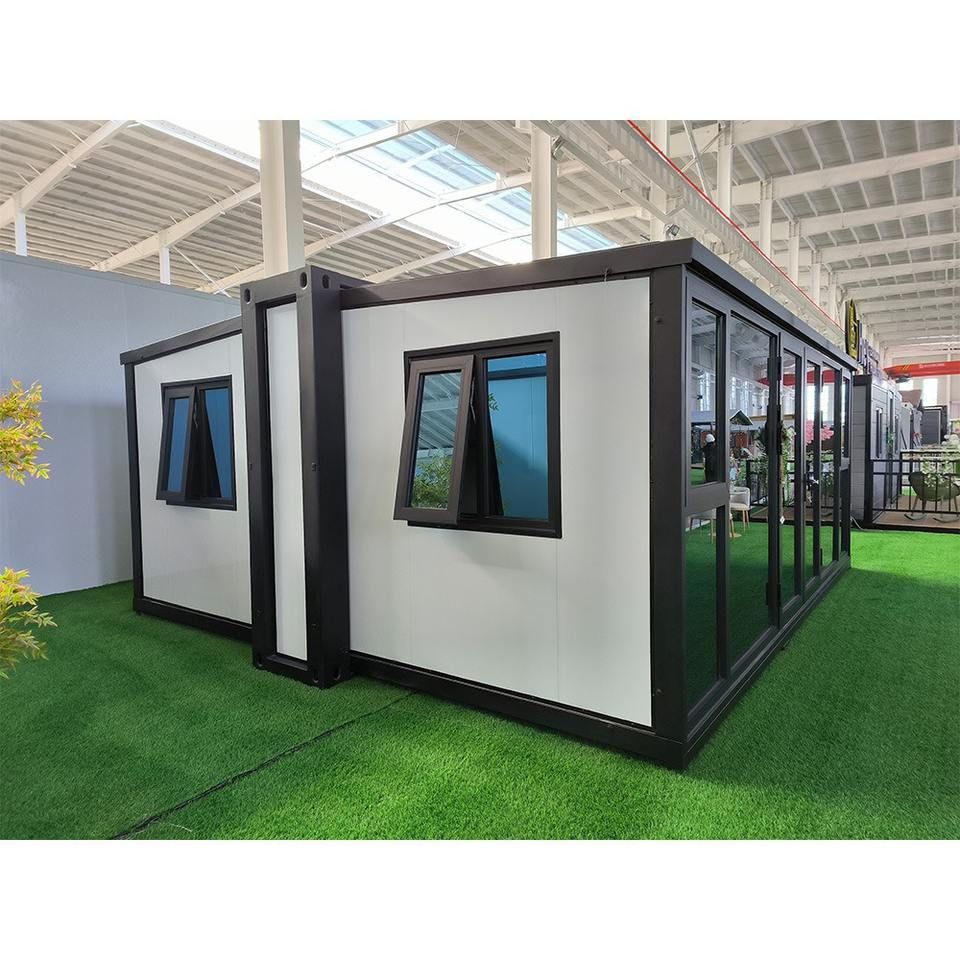
I. Scope of Renovation and Demolition
According to the '15th Five-Year Plan for Urban Renewal', the renovation scope covers prefabricated panel houses on state-owned land in the built-up areas of cities and county towns, with priority given to addressing houses with safety hazards or those affecting living quality. The Ministry of Housing and Urban-Rural Development has specified that prefabricated panel houses with short service lives, poor quality, poor sound insulation, and dilapidated conditions need to be demolished and rebuilt. After demolition, long-term rental housing will be constructed simultaneously to meet the housing needs of new citizens and low-income groups.
II. Compensation and Resettlement Methods
If a prefabricated panel house is identified as a dangerous building or included in a demolition plan, residents can choose from three compensation methods:
- Monetary Compensation: The compensation amount is determined by professional institutions based on factors such as the prices of surrounding second-hand houses, the value of the house, decoration costs, and transitional rent.
- Property Exchange: This includes 'in-situ relocation' or 'off-site resettlement'. The address, area, layout, and delivery date of the resettlement housing must be clearly specified in the contract to avoid risks such as excessive common area or delayed delivery.
- Housing Voucher Resettlement: Compensation is provided in the form of housing purchase vouchers, which residents can use to purchase designated housing.
III. Policy Implementation Principles
The state emphasizes that urban renewal should avoid 'extensive demolition and construction' and requires precise and orderly promotion of renovation. Priority should be given to meeting living needs through repair and reinforcement, and only houses that cannot be guaranteed safe through repair should be demolished and rebuilt. Renovation should incorporate requirements such as seismic reinforcement and age-friendly modifications to enhance the safety and functionality of the houses, such as installing elevators and optimizing layout designs.
IV. Objectives and Time Nodes
By 2030, the state plans to basically eliminate the safety hazards of D-grade dangerous housing that has been documented and complete the renovation of more than 500,000 sets (units) of non-complete housing such as prefabricated panel houses. This goal aims to systematically address the safety issues of prefabricated panel houses, improve residents' living conditions, and promote urban renewal towards a livable, resilient, and intelligent direction.



