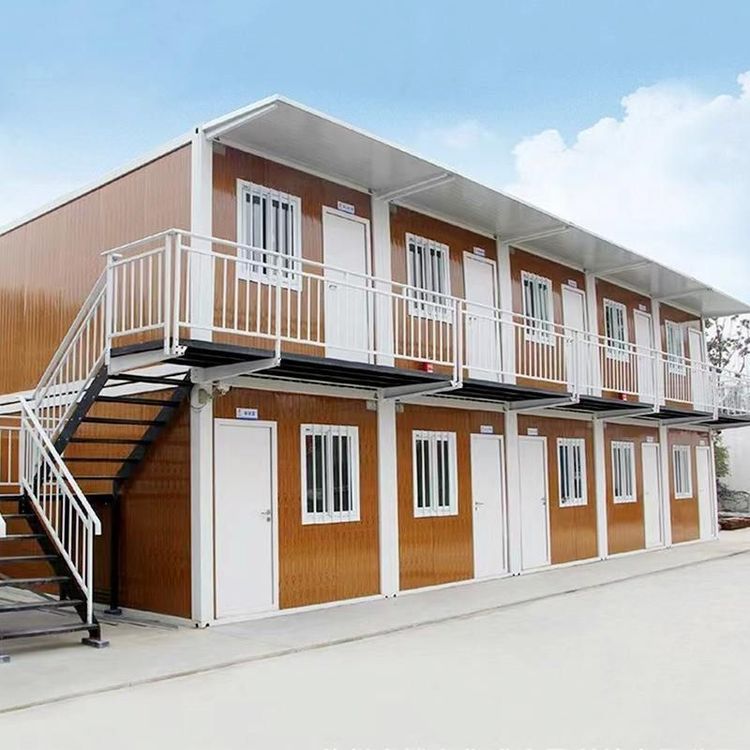
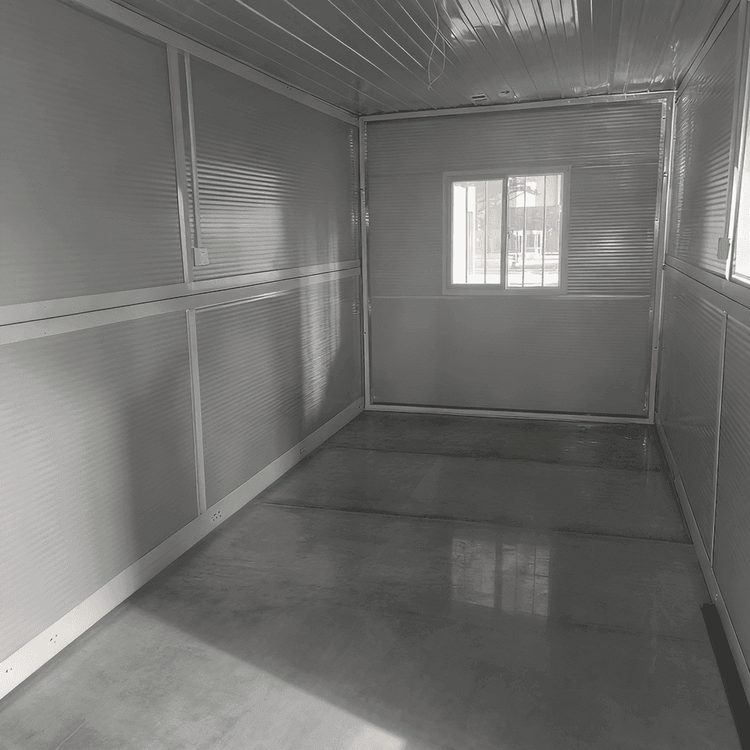
Demolition Policy for Prefabricated Panel Houses
The demolition policy for prefabricated panel houses mainly includes aspects such as policy orientation, demolition scope, resettlement plans, and other related policies.

Policy Orientation: Current policies emphasize avoiding large-scale demolitions and constructions, instead focusing on classified handling and prioritizing vulnerable structures. In October 2025, the Ministry of Natural Resources released a guideline for revitalizing and optimizing urban stock space, proposing that cities have entered an era of stock utilization, with a focus on making effective use of existing land and space. In May of the same year, the General Offices of the CPC Central Committee and the State Council issued an opinion on continuously promoting urban renewal actions, emphasizing the steady advancement of dangerous housing renovations. Grade D dilapidated houses must be demolished or rebuilt, while Grade C dilapidated houses can be handled through reinforcement, renovation, reconstruction, and other methods.
Demolition Scope:
- Meeting Dilapidated Housing Standards: Prefabricated panel houses that have been identified as dilapidated, especially those classified as Grade D, with significant foundation subsidence and structural damage, where renovation cannot resolve the fundamental issues.
- Inadequate Disaster Resistance: Prefabricated panel houses that appear stable under normal conditions but may fail during earthquakes, floods, or other disasters.
- Conflict with Urban Infrastructure Construction: When constructing subways, bridges, or expanding roads, houses within the control range make it difficult to avoid demolition as per planning.
- Urban Core Area Development and Renewal: Development and renewal in urban core areas can more easily cover costs, with existing low-intensity buildings being replaced by prefabricated panel houses with more reasonable functions and densities.
- Partial Pilot Areas: Qingdao has explicitly included prefabricated panel houses with seismic performance not meeting current requirements in its pilot scope.
Resettlement Plans:
- Resettlement for Overall Demolition: For dilapidated prefabricated panel houses in cities, during demolition and reconstruction,同步 (simultaneously) focus on constructing long-term rental housing with low to medium prices and small to medium sizes, providing suitable living spaces for key groups such as new citizens and low-income families in difficulty.
- Support Policies for Pilot Areas: Original demolition and reconstruction projects support appropriate increases in building area, improvements in living functions, additions of public service facilities, and development and utilization of underground space. The land nature and land use rights of the projects are allowed to remain unchanged, and existing land use procedures and other materials can be used as land proof documents for handling relevant procedures. Renovation costs are borne by the house owners in proportion to their building area. Financial institutions are encouraged to provide credit support. Depositors are supported in withdrawing housing provident funds for the original demolition and reconstruction of old housing or paying rent during the original demolition and reconstruction period. The scope of withdrawal policy support can be extended to the parents and children of both the depositor and their spouse. At the same time, depositors are supported in applying for housing provident fund loans for original demolition and reconstruction.
Other Related Policies: During the "15th Five-Year Plan" period, more than 500,000 sets (units) of prefabricated panel houses on state-owned land within the built-up areas of cities and county towns will be renovated, basically eliminating safety hazards in Grade D dilapidated houses that have been documented. The governance, renovation, and seismic reinforcement of prefabricated panel houses in earthquake-prone areas will be steadily advanced. At the same time, support will be provided for the self-renewal and original demolition and reconstruction of old housing, exploring sustainable operation models.