Prefabricated Panel Building Houses
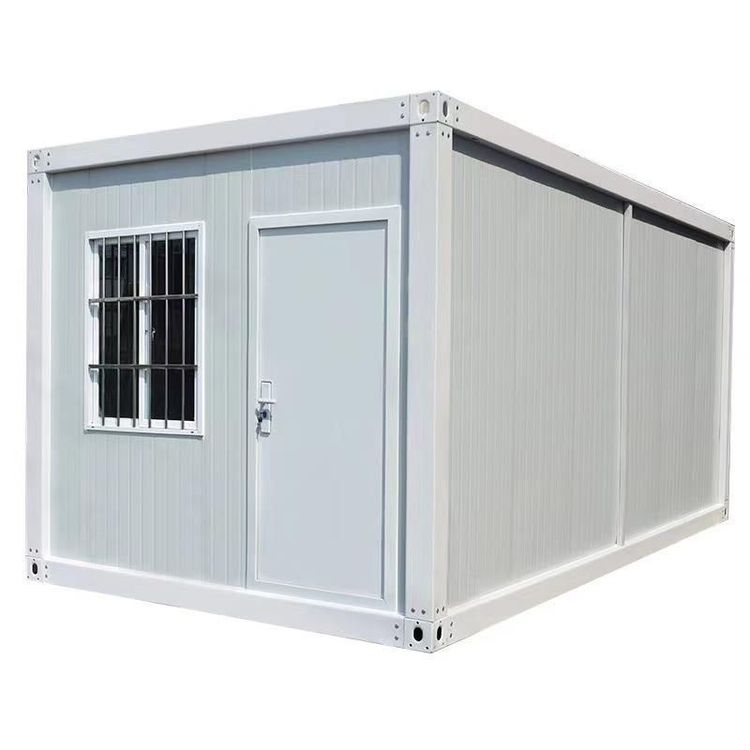
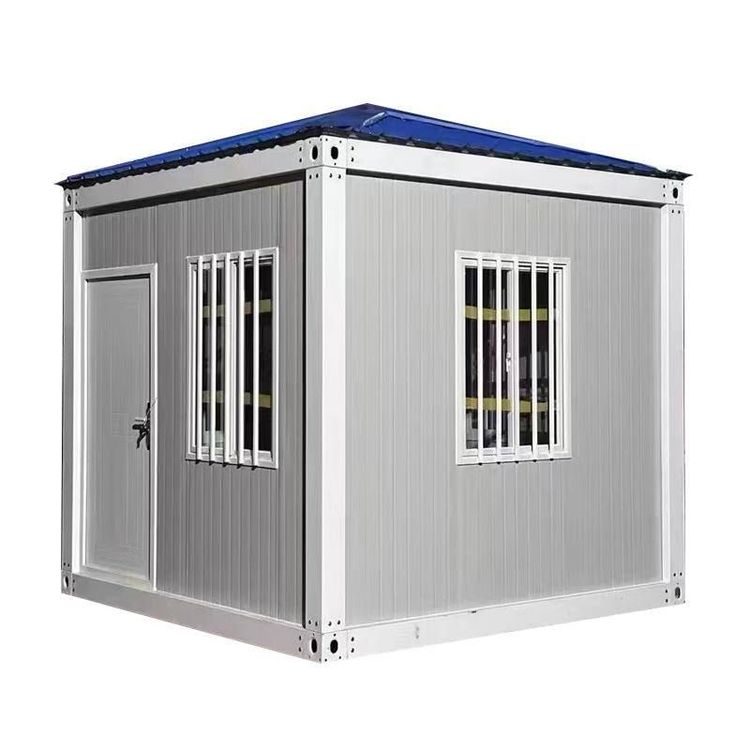
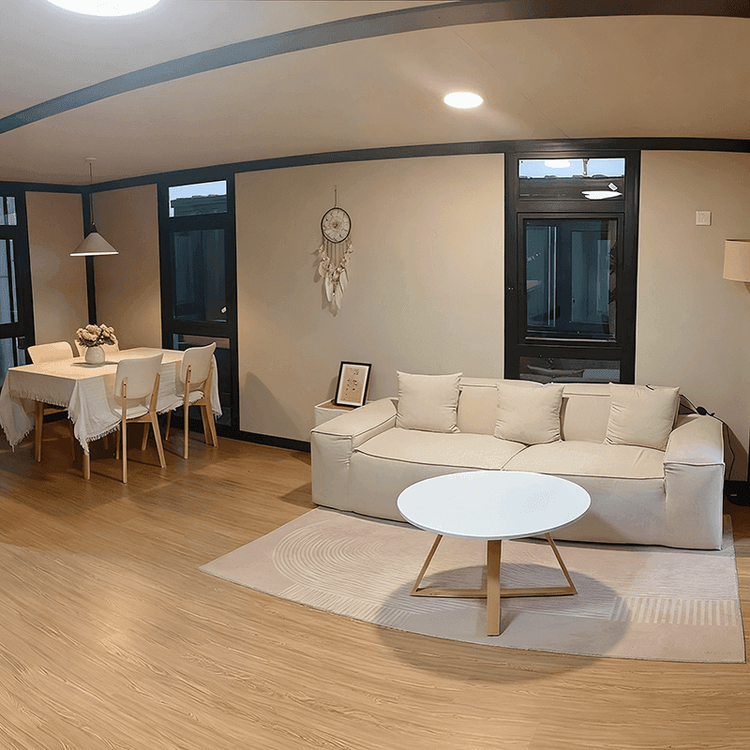
Prefabricated panel building houses are houses constructed with prefabricated panels as the main components. They have the advantage of fast construction but suffer from issues such as weak earthquake resistance, poor sound and heat insulation. Currently, they are gradually being replaced and undergoing renovation, and some prefabricated houses are also selling well overseas.

Development History
Prefabricated panel building houses originated in the early 20th century. In China, the application of prefabricated concrete technology began in the 1950s. Influenced by the Soviet model in the early stages, it was mainly used in industrial plants, residential buildings, office buildings, and other fields. In the 1970s, driven by the policies of “industrialization, prefabrication, and standardization,” it developed rapidly, and an application technology system based on standard prefabricated components was established. Before the mid-1980s, prefabricated concrete technology was widely used in multi-story residential and office buildings, with main structural forms including prefabricated large-panel structures and box structures. However, after the mid-1980s, due to factors such as overly low cost control, poor integrity, poor waterproofing performance, as well as the reform of national construction policies and the influence of large-scale labor-intensive infrastructure construction, the proportion of prefabricated structures decreased rapidly, entering a period of decline.
Advantages and Disadvantages
Advantages: Construction is fast. When building a house, the prefabricated panels are directly transported to the construction site and assembled with a crane, which is much faster than traditional house building. Prefabricated buildings use modular factory-prefabricated components, and the construction period is shortened by 30% compared to traditional methods. Disadvantages: Existing prefabricated panel houses generally have problems such as weak earthquake resistance, poor sound and heat insulation, and a service life of about 30 - 50 years. The earthquake resistance is not good, and they are prone to cracking after long-term use. If too much weight is stacked on the upper floors of old prefabricated panel houses, the floor panels may collapse.
Current Situation and Renovation
With the development of building technology, cast-in-place concrete and prefabricated buildings are gradually replacing traditional prefabricated panel houses. Since 2022, China has implemented a policy of old community renovation, focusing on the repair and renovation of prefabricated panel houses and only demolishing buildings that meet the criteria for dangerous houses. The country is renovating old prefabricated panel houses. For example, in a community in Fengtai, Beijing, the old prefabricated panel houses were demolished and rebuilt into new houses with an earthquake resistance of magnitude 8, and elevators were added. Residents only need to pay 30% of the cost, and the government provides a 70% subsidy. By the end of 2027, all old communities built before 2000 across the country will complete such renovations.
Overseas Sales
Prefabricated buildings cover prefabricated concrete structures and steel structures, and the components include prefabricated products such as beams, panels, walls, and columns. They have advantages such as shortening the construction period and reducing pollution. Chinese-made prefabricated houses are selling well overseas. According to customs data, in the first four months of 2026, the Guangzhou Customs District exported movable houses worth 1.4 billion yuan, a year-on-year increase of 38.1%.