Portable Toilet Durable Explained: How to Choose the Right One
Choosing a durable portable toilet requires a comprehensive evaluation of materials, structure, functionality, and certification standards, tailored to specific usage scenarios.

Material Selection: Corrosion Resistance is Key
Durable portable toilets typically use high-density polyethylene (HDPE) or reinforced plastics, which are resistant to UV rays, acid-base corrosion, and can withstand frequent handling and harsh weather conditions. For example, in construction sites or outdoor music festivals, HDPE materials are more rust-resistant than traditional metals, extending service life by over 30%. Some products further enhance impact resistance through composite materials (e.g., HDPE + plastic sandwich layers), suitable for high-traffic scenarios.
Structural Design: Stability and Modularity in Balance
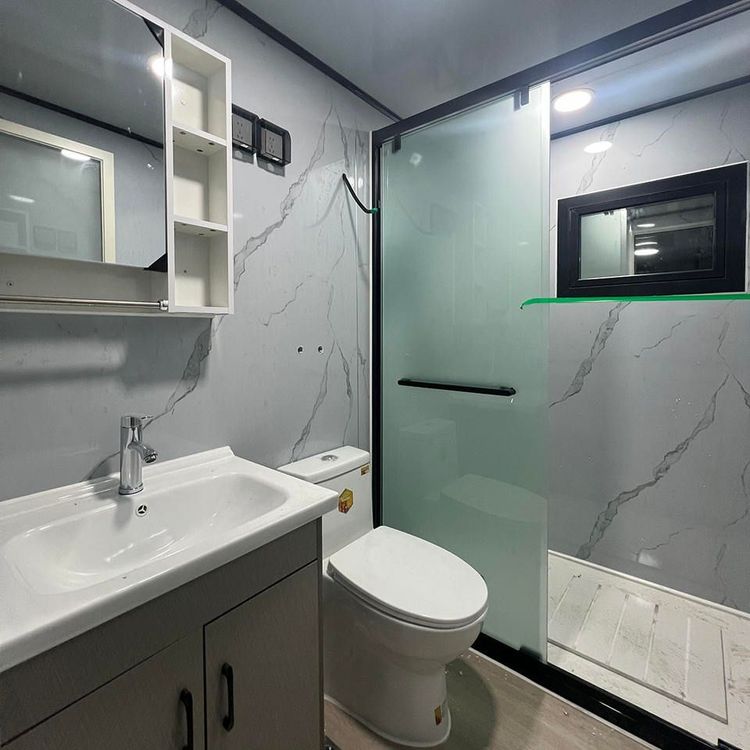
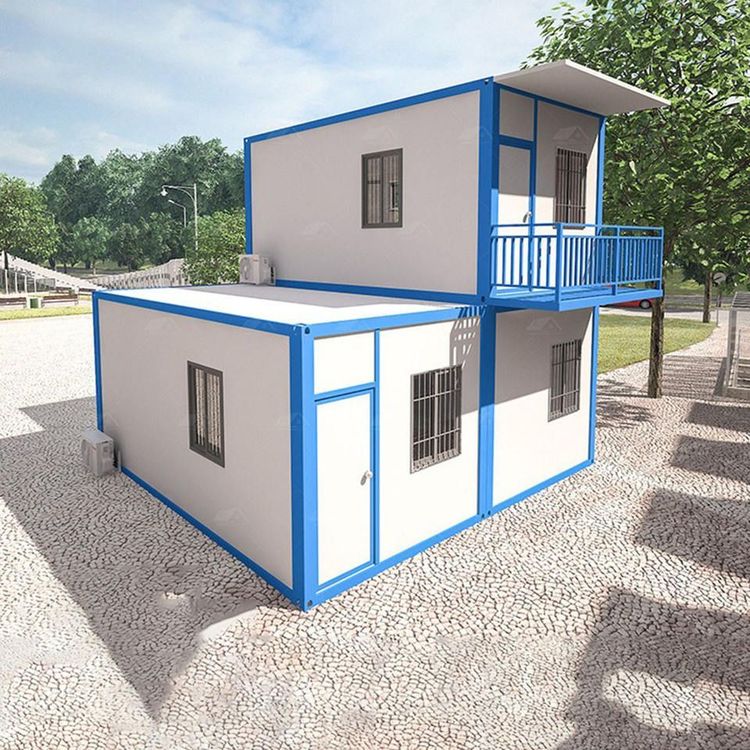
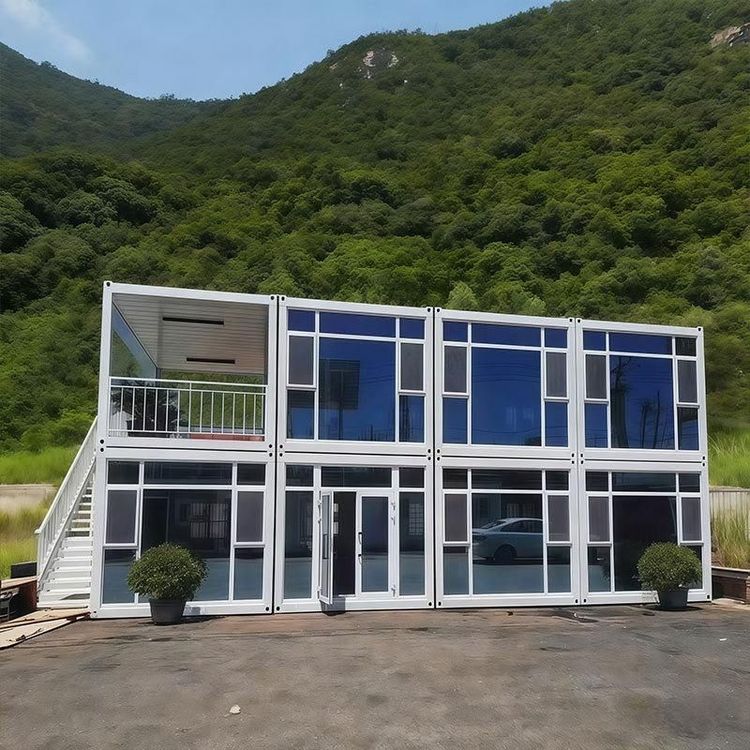
- Frame and Load-Bearing: Lightweight steel frames or corrosion-resistant steel structures are mainstream choices, ensuring stability while facilitating quick assembly and disassembly. For instance, the Flat Pack Portable Toilet Shower Room uses a steel frame + sandwich panel structure, capable of handling an average of 200 users per day.
- Modular Design: Single-unit structures are suitable for low-frequency use, while composite structures improve impact resistance by optimizing material distribution (e.g., reinforcing bottom load-bearing areas), ideal for music festivals, construction sites, etc..
Functional Configuration: Balancing Sanitation Systems and Portability
- Sanitation Systems: Flushable seats, large-capacity waste tanks (recommended ≥50L), and ventilation systems reduce cleaning frequency and odors, indirectly extending service life. For example, models with flush functionality have 40% lower maintenance costs than non-flush types, suitable for long-term use.
- Portability Optimization: Products with integrated wheels, lightweight designs (e.g., ≤15kg), or foldable features prioritize portability but also enhance durability by reducing handling damage.
Certification Standards: Dual Assurance of Safety and Quality
Select products certified by CE, CEC, or ISO 9001 to ensure materials and craftsmanship meet international durability benchmarks. For example, factories with ISO 9001 certification have 25% lower product failure rates than non-certified models.
Selection Recommendations: Scenario-Based Matching
- High-Traffic Scenarios (e.g., construction sites, music festivals): Prioritize HDPE materials, flush systems, and large-capacity waste tanks, such as the Flat Pack series.
- Temporary Emergency Scenarios (e.g., disaster relief): Choose lightweight models with wheels, where 20% faster assembly speeds reduce on-site停留时间 (dwell time).
- Long-Term Household Use: Focus on ergonomic design (e.g., seat height 40-45cm) and ease of cleaning, such as the Kangji brand, which uses non-polluting materials to meet daily household needs.