Are There Movable Houses in Prefabricated Houses?
There are types of movable houses within the realm of prefabricated houses.

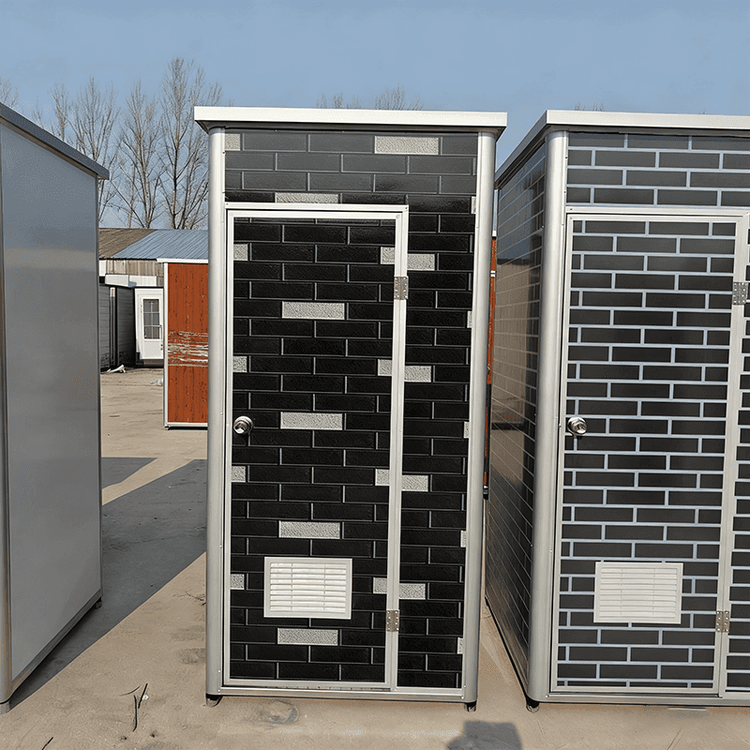
Movable houses represent a significant branch in the field of prefabricated houses, also known as integrated houses or demountable houses. The original design intent of these houses is to facilitate easy assembly and mobility, meeting residential needs in various scenarios.
There are diverse specific types of movable houses:
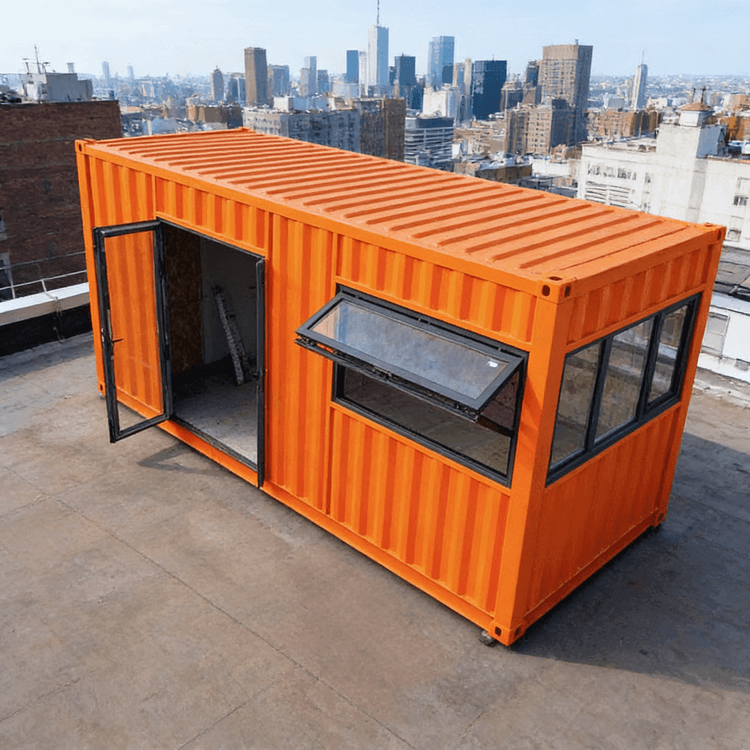
- Prefabricated container houses are one of the more common types. They are repurposed from discarded shipping containers, offering not only low cost but also rapid construction, making them highly suitable for short-term or temporary residential needs. For instance, on some construction sites, prefabricated container houses are often used as temporary offices or dormitories, providing convenient living conditions for workers.
- Mountain prefabricated log cabins are another distinctive type of movable house. Equipped with rollers under a steel base, the entire house can be easily moved. When a change of residence is needed, it can simply be disassembled and fixed at a new designated location. This type of house is ideal for tourist areas or vacation resorts, offering visitors a unique living experience.
Movable houses have a wide range of application scenarios: Currently, in China, integrated houses are mostly used as temporary offices and dormitories on construction sites, as well as in various scenarios such as leisure villas and vacation homes in tourist areas. These houses not only meet people's residential needs but also reduce construction costs and time due to their mobility.
Points to note regarding land approval for movable houses: However, it is important to note that movable houses such as mobile homestays have numerous key points in land approval. One cannot simply interpret 'movable' as 'not requiring land management'. When applying for land use, it is essential to confirm the identity of the land plot and whether it encroaches on critical factors such as the 'three zones and three lines'. Otherwise, one may face rectification issues, causing unnecessary trouble and losses to users.