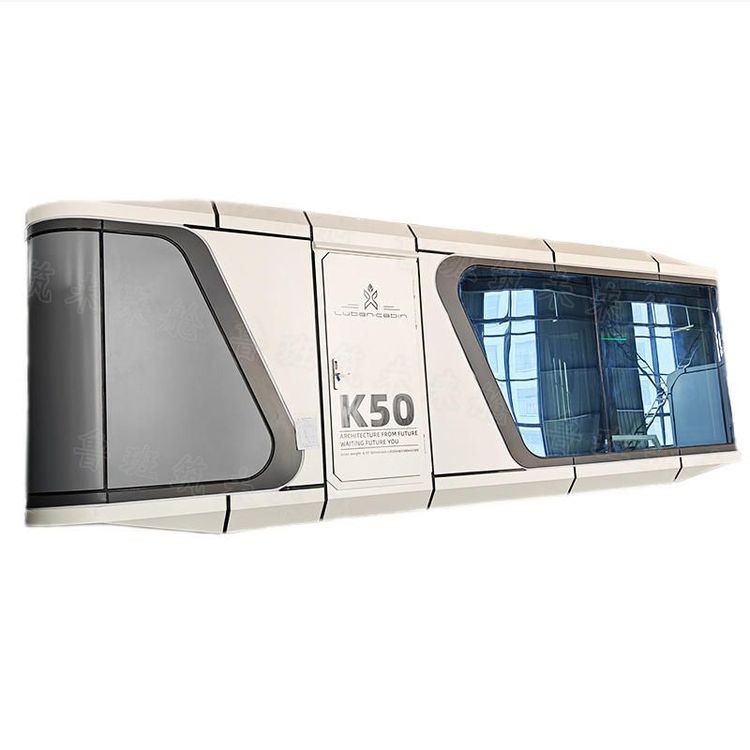
Prefabricated Modular Housing Construction
Prefabricated modular housing construction is a building method that breaks down a structure into independent modules, which are prefabricated in a factory and then transported to the site for assembly. Its core features and advantages are as follows:
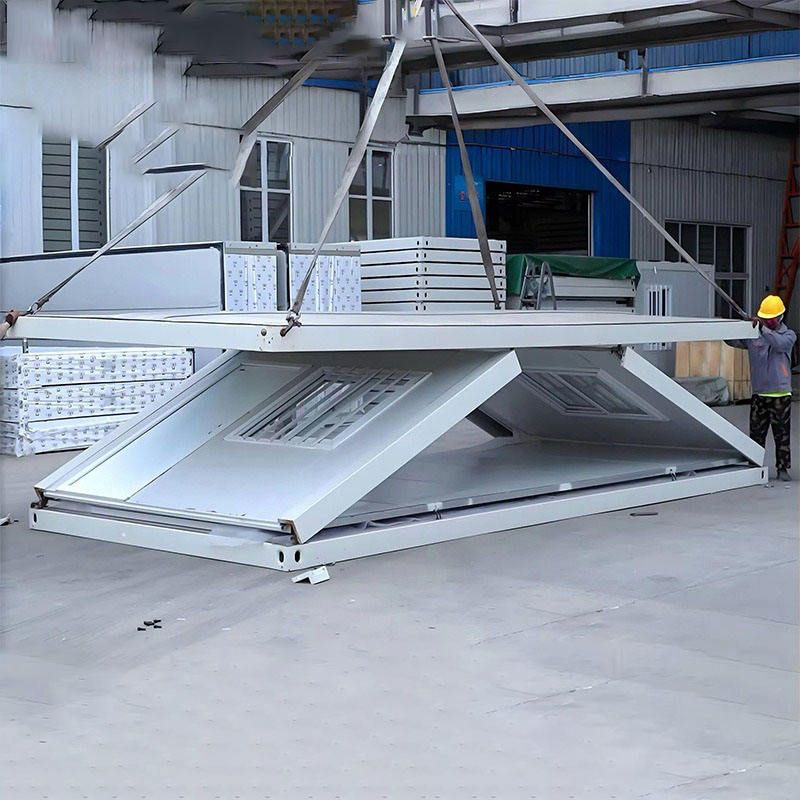
1. Significantly Improved Construction Efficiency
Modular construction adopts a parallel operation model, where components such as ceilings, walls, and plumbing and electrical lines are prefabricated simultaneously in the factory, with only assembly required on-site. The application of automated production lines and three-dimensional warehouses reduces the construction period by more than 60%. For example, a public housing project in Shenzhen used 6,028 concrete modules for assembly, compressing the completion time from 2.5-3 years to just 1 year; some rural housing projects can even complete the main structure within 14 days. This efficiency advantage stems from the standardized processes of factory production and the simplification of on-site operations.
2. Industrial-Grade Precision in Quality Control
In the factory, the positioning of steel bars in building modules is measured in millimeters, with error control far superior to traditional construction methods. For instance, the dimensional deviation of concrete modules can be controlled within ±2mm, ensuring the overall structural integrity and airtightness after assembly. This precision not only enhances building safety but also facilitates later maintenance—modular design allows for targeted operations such as pipeline inspections and wall replacements without extensive dismantling.
3. Outstanding Environmental Benefits
Factory production reduces construction waste by approximately 80% while significantly lowering on-site noise and dust pollution. Waste generated from material cutting and concrete pouring in traditional construction is centrally processed or recycled in the modular approach. Additionally, the transportation and assembly of modules cause minimal disruption to surrounding traffic, aligning with urban green construction requirements.
4. Cost Advantages and Market Potential
For overseas clients, modular construction can save over 50% in on-site labor costs and shorten the investment recovery period. China's exports of prefabricated buildings have nearly tripled from 2015 to 2025, with a 45% growth rate in the first quarter of 2026. Technological maturity and cost-effectiveness have become the core of international competitiveness. It is predicted that the global modular construction market will exceed $142.8 billion by 2030, with applications covering hotels, apartments, hospitals, data centers, and other fields.
5. Policy and Project-Driven Development
Various regions in China have introduced supportive policies. For example, the public housing project at the Dinghuisi North Plot in Haidian District, Beijing, adopted concrete modular technology, becoming the first such case in the city. These flagship projects have validated the feasibility of modular construction in high-rise residential buildings, laying the foundation for industry standardization and large-scale development.