
Prefabricated Micro House
Prefabricated micro houses are a specific form of modular construction, where independent modules are prefabricated in factories and assembled on-site, featuring rapid construction, environmental friendliness, and high cost-effectiveness.
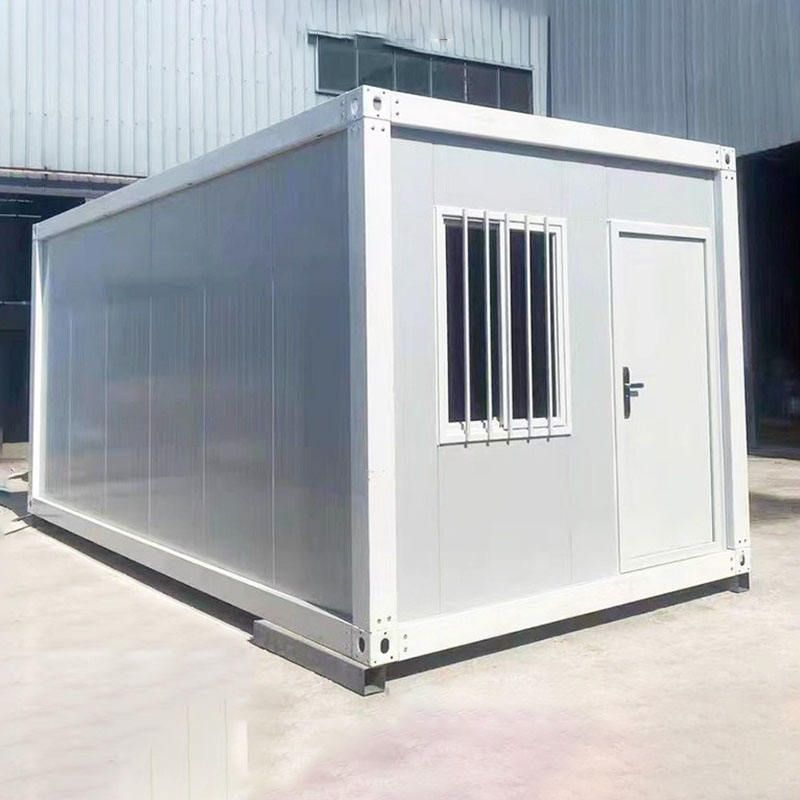
Core Features and Advantages
Prefabricated micro houses break down buildings into independent modules, which are produced in factories and then transported to the site for assembly, similar to building with "building blocks". Their core advantages include:
- High Construction Efficiency: The construction period is reduced by over 60% compared to traditional buildings. For example, in a public housing project in Shenzhen, Guangdong, 5 residential buildings nearly 100 meters high were assembled using 6,028 concrete modules, with the construction period shortened from 2.5 - 3 years to 1 year and on-site labor reduced by about 50%.
- Green and Environmentally Friendly: Factory-based production reduces on-site noise, dust, and other pollution, and improves material utilization, aligning with sustainable development concepts.
- Quality Control: Module production requires millimeter-level precision in error control, and each component is labeled with "ID" information (such as project name, model, and production date) to ensure traceable quality.
- Outstanding Cost-Effectiveness: In the European and American markets, a prefabricated house priced at 200,000 RMB can include complete interior decoration and facilities, while the cost of a similar self-built house in the United States may exceed one million RMB.
Application Scenarios and Technical Routes
Prefabricated micro houses have been widely applied in overseas public housing projects and domestic high-rise buildings. Technologically, Chinese companies mainly adopt two routes: steel structures and concrete structures:
- Steel Structures: Suitable for ocean shipping and high-rise buildings, with a lightweight structure and strong earthquake resistance.
- Concrete Structures: Closer to traditional living experiences, with relatively lower costs, suitable for low- to medium-rise buildings.
Market Demand and Development
Data from 2026 shows a significant year-on-year increase in the export value of portable houses through the customs in Guangzhou and Shenzhen, confirming the global market demand for prefabricated micro houses. Their characteristics of rapid assembly and controllable costs make them highly promising for applications in emergency housing, tourism resorts, temporary offices, and other scenarios.



