Prefabricated Housing Production
Prefabricated housing production refers to the construction mode of disassembling buildings into independent modules, prefabricating them in factories, and then assembling them on-site. It is also known as modular construction or prefabricated assembly construction.

I. Production Process and Types The core process of prefabricated housing production includes prefabricating components such as ceilings, walls, floors, and water and electricity pipelines on factory assembly lines, achieving millimeter-level precision through standardized processes; after being transported to the construction site, they are quickly assembled in a “building-block” manner. Its technical types cover prefabricated concrete structures and steel structures, mainly divided into three categories:
- Panel Assembly: Mainly using prefabricated wall panels, floor slabs, and other components, which are assembled on-site to form the building structure;
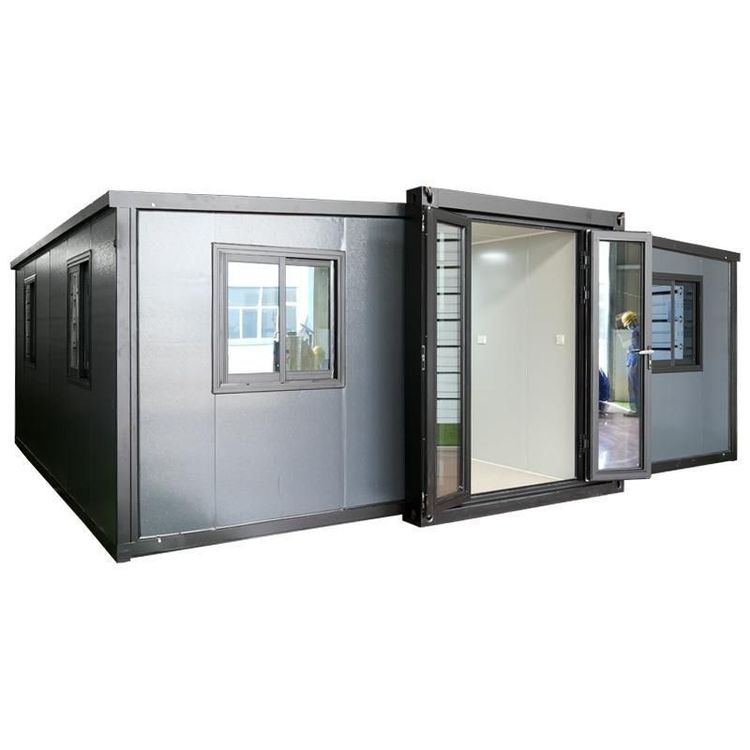
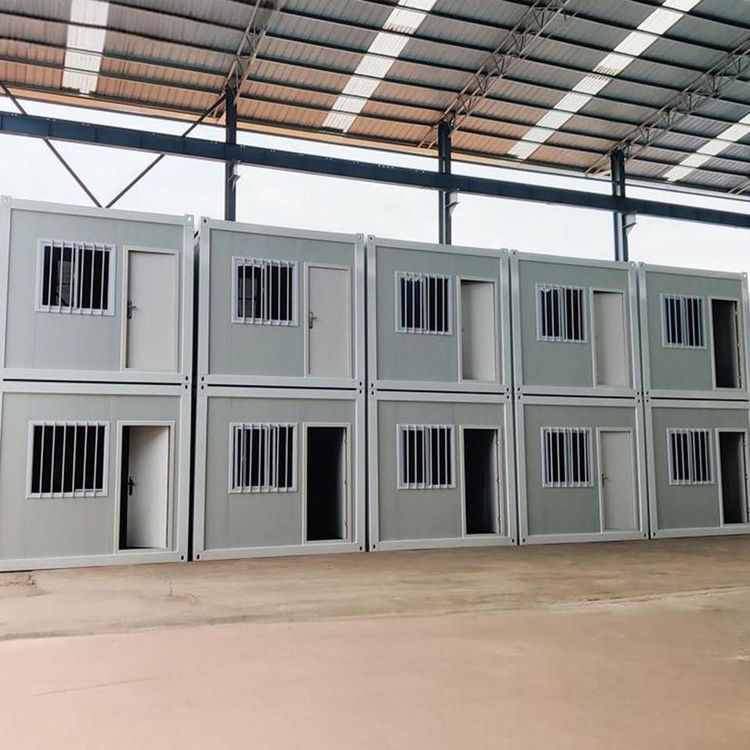
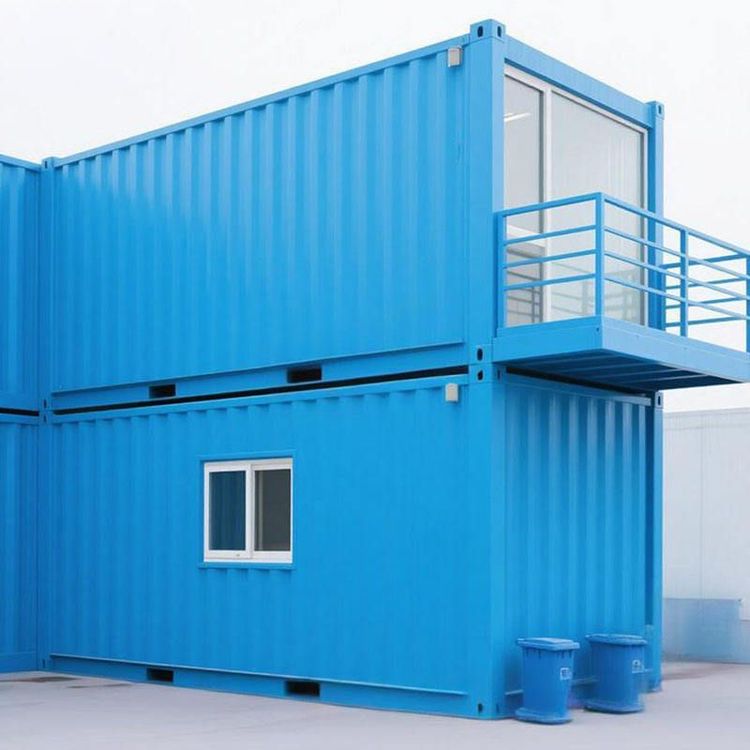
- Box Assembly: Complete room modules (including interior decoration and equipment) are prefabricated in factories and directly assembled on-site;
- Frame Assembly: A frame system is formed using prefabricated beams and columns, and then prefabricated wall panels and other enclosure structures are installed. Modular construction, as a more integrated mode, can achieve the overall prefabrication of building functions and structures.
II. Core Advantages
- Significant Efficiency Improvement: The construction period is shortened by more than 60% compared to traditional buildings, and the overall project duration is reduced by 50%. For example, the four-story police station office building in Huadu District, Guangzhou, took less than a month from module hoisting to delivery.
- Stable and Controllable Quality: Factory production avoids weather interference, with standardized curing conditions. The structural safety is equivalent to that of cast-in-place concrete, and the precision reaches the millimeter level.
- Outstanding Environmental Benefits: Solid waste emissions throughout the life cycle are reduced by 75%, on-site workers are reduced by 70%, and dust and noise pollution are significantly reduced.
- Convenient and Efficient Maintenance: Each component comes with an “ID card” that records information such as the project name, model, and production date, facilitating later inspection and replacement.
III. Development Status and Challenges China's prefabrication technology began in the 1950s and saw a resurgence in the 21st century due to environmental protection needs, with companies like Vanke promoting the application of prefabricated shear wall residential systems. Currently, the export of “Made in China with Intelligence” prefabricated houses has grown significantly: In the first four months of 2026, the Guangzhou Customs District exported 1.4 billion yuan worth of mobile houses (a year-on-year increase of 38.1%), and the Shenzhen Port exported 1.68 billion yuan worth (a year-on-year increase of 19.6%), covering more than 150 countries and regions. However, going overseas faces three major bottlenecks:
- Standard Differences: Incompatible building codes in different countries require design adjustments for target markets;
- High Certification Costs: Concrete and steel-concrete modules require complex application processes, resulting in long customs clearance times;
- Logistics Limitations: The transportation of large modules places high demands on port facilities and transportation routes.