Prefabricated Housing Module
Prefabricated housing modules manifest differently in various fields, enriching gameplay in games and enhancing construction efficiency and quality in practical applications.

In games, prefabricated housing modules offer players great convenience and a rich experience. Taking RimWorld as an example, its prefabricated room module includes over 130 architectural blueprints. Players can not only use these blueprints directly for building construction but also unleash their creativity to create their own modules. This module supports building export and merge operations. When exporting buildings, details such as base layout, structures, and even electrical wiring are accurately exported. Moreover, module names can be entered in both Chinese and English, facilitating player management and identification.
The Prefab module for prefabricated buildings in Minecraft is a lifesaver for novice builders. When creating a new world, players automatically receive a house in their inventory, or they can synthesize one using a recipe. This module offers various types of houses, including basic houses, ranch houses, attic houses, Hobbit houses, desert houses, snow houses, underwater houses, modern houses, campsite houses, frog houses, tower houses, log cabins, treehouses, and mushroom houses, catering to different players' aesthetic preferences and needs. Players can adjust the glass color and click to build directly, making the operation simple and convenient, significantly saving construction time.
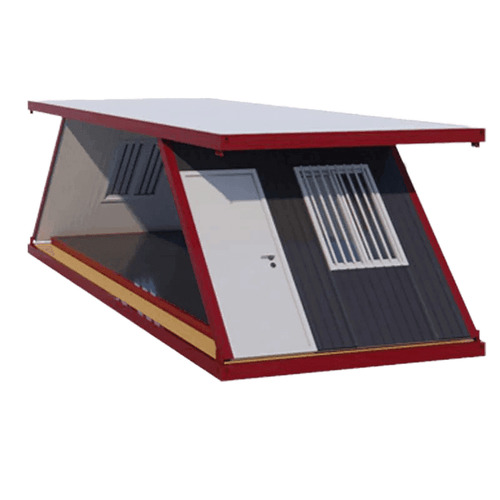
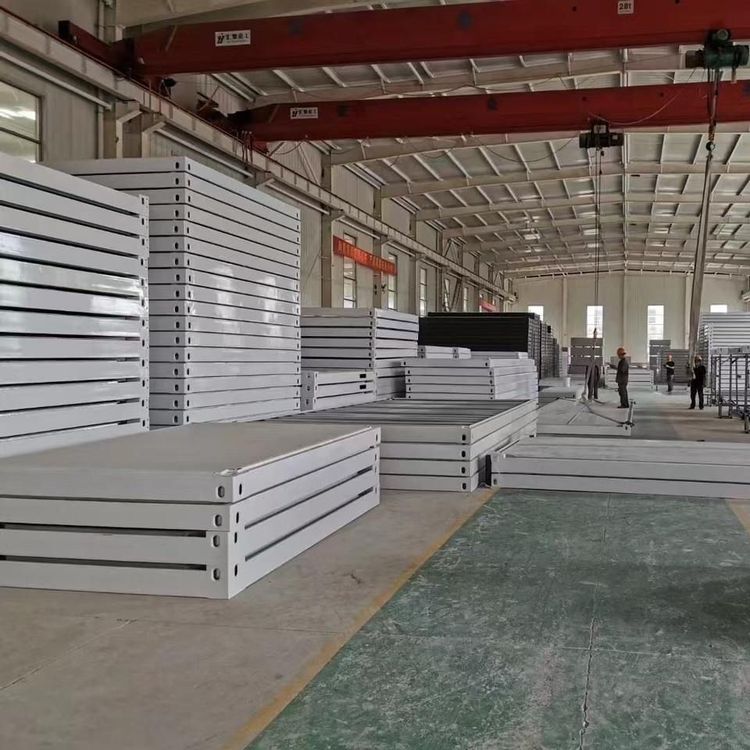
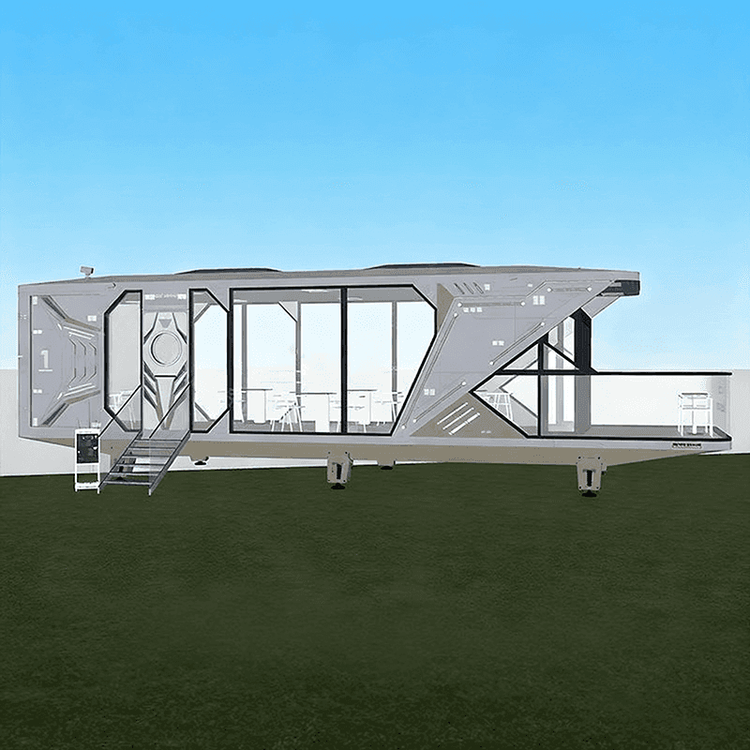
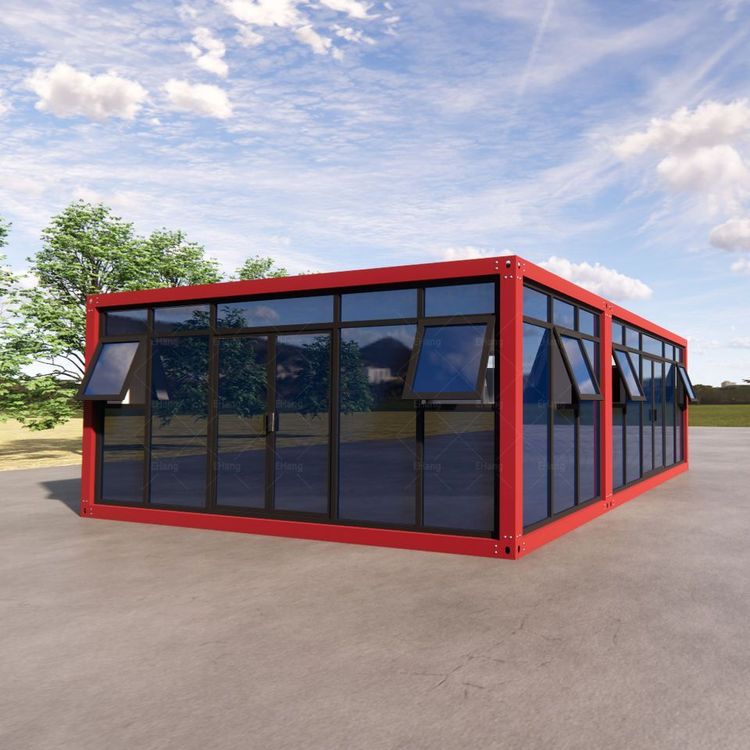
In practical applications, China's 'prefabricated houses,' known as modular buildings, represent an advanced construction model. They involve disassembling buildings into independent modules, manufacturing them in factories, and then transporting them to construction sites for assembly. This construction model offers numerous advantages, including short construction periods, enabling rapid completion of building projects; quality control, as strict quality checks can be conducted during factory manufacturing; energy efficiency and environmental protection, reducing noise and dust pollution from on-site construction; and ease of maintenance, as the modular design facilitates building upkeep. Currently, this construction model is being sold as an industrial product and has gained popularity in overseas markets, being widely applicable to scenarios such as hotels, apartments, dormitories, office buildings, hospitals, and even data centers.