Portable Toilet for Office Use: What to Consider
When selecting a portable toilet for office use, it is essential to consider factors such as materials, design, performance, scenario adaptability, and certification standards to ensure it meets the needs of the office environment while兼顾 (taking into account) safety and practicality.
1. Materials and Durability
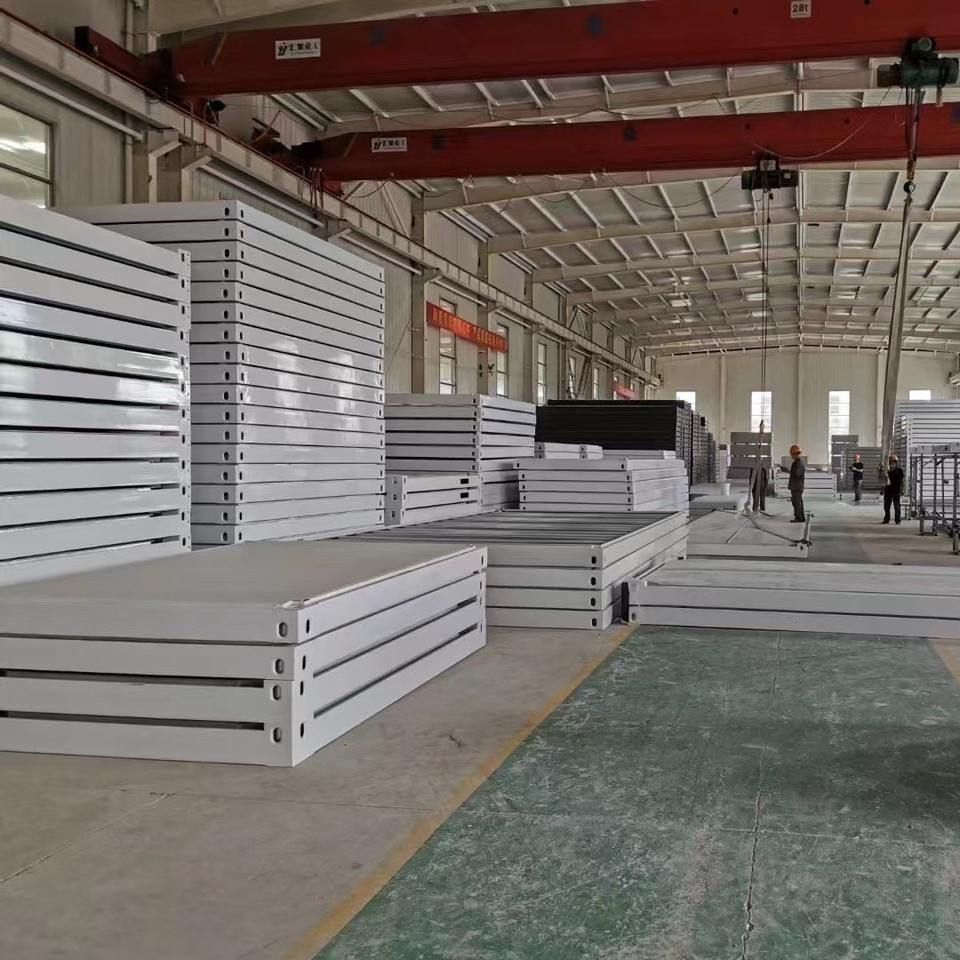
The materials used in portable toilets directly impact their lifespan and suitability for various scenarios. Durable plastics and HDPE (high-density polyethylene) are common choices, as they are lightweight and weather-resistant, capable of withstanding temperature variations and daily wear and tear both indoors and outdoors in an office setting. For offices located outdoors or in harsher environments, a combination of metal frames (such as steel) and watertight plastic panels offers greater strength while maintaining portability. Aluminum bases with EPS sandwich panels provide a balance of lightness and sturdiness, facilitating easy transportation and repositioning, making them ideal for office scenarios requiring frequent adjustments.
2. Design and Customization Features
Office settings demand high standards of cleanliness and functionality from sanitary facilities. Modular design allows for flexible adjustment of toilet layouts based on available space and specific needs, such as adding hand sanitizer dispensers, waste bins, or hand-drying equipment to enhance the user experience. Some products support brand and color customization, enabling alignment with corporate visual identities (VIs) or event themes for greater overall harmony. For offices with special requirements (e.g., barrier-free design), models offering customizable dimensions, doors, windows, or electrical configurations can be selected, with some even equipped with shower facilities or urinals to meet diverse needs.
3. Performance Parameters
The core advantage of portable toilets lies in their lightweight and easy transportability, but it is crucial to ensure their capacity meets the number of office users and frequency of use. For example, a model measuring 1150mm×1150mm×2300mm, weighing 110kg, with an independent capacity of 130L and a waste storage tank capacity of 390L, and equipped with handwashing facilities, can support daily use in a medium-sized office. For long-term use, it is advisable to choose models with sewage discharge pipe connections, facilitating connection to external treatment systems and reducing the frequency of cleaning.
4. Scenario Adaptability
Portable toilets are suitable as temporary or permanent sanitary solutions in office settings. For instance, during renovation periods when traditional toilets are unavailable, standalone models can be quickly deployed. If office space is limited or requires flexibility, modular designs can seamlessly integrate with existing structures. Additionally, some products support dual indoor-outdoor use, accommodating office expansions or outdoor event needs.
5. Certification and Safety Standards
Prioritize products that have passed RoHS (Restriction of Hazardous Substances) and CE (Safety Compliance) certifications to ensure materials are non-toxic and environmentally friendly. For international businesses or high-end office scenarios, further selection of models certified by ISO, SGS, BV, or ASTM is recommended. These standards cover structural safety, hygiene performance, and durability testing, significantly reducing usage risks.