Prefabricated Housing Model Mirror Report
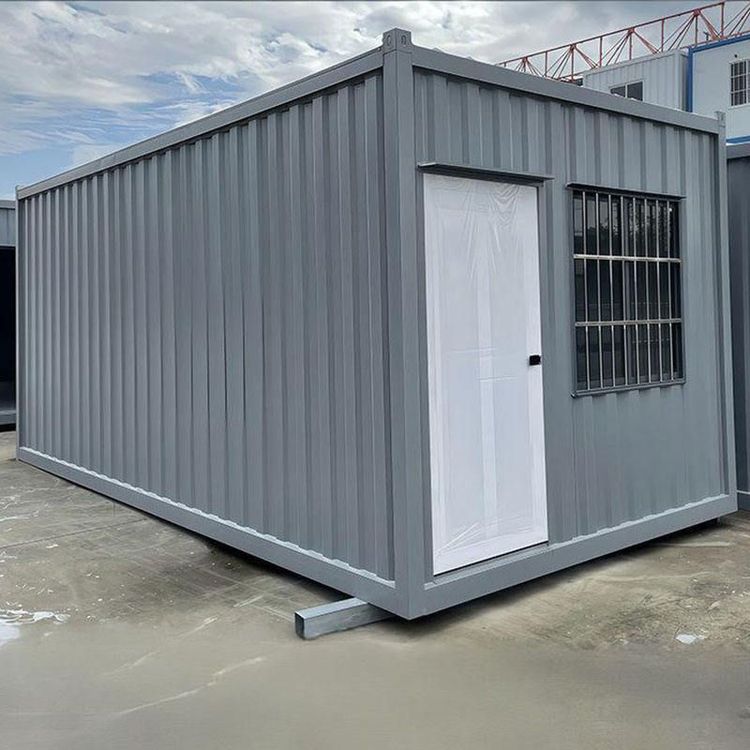
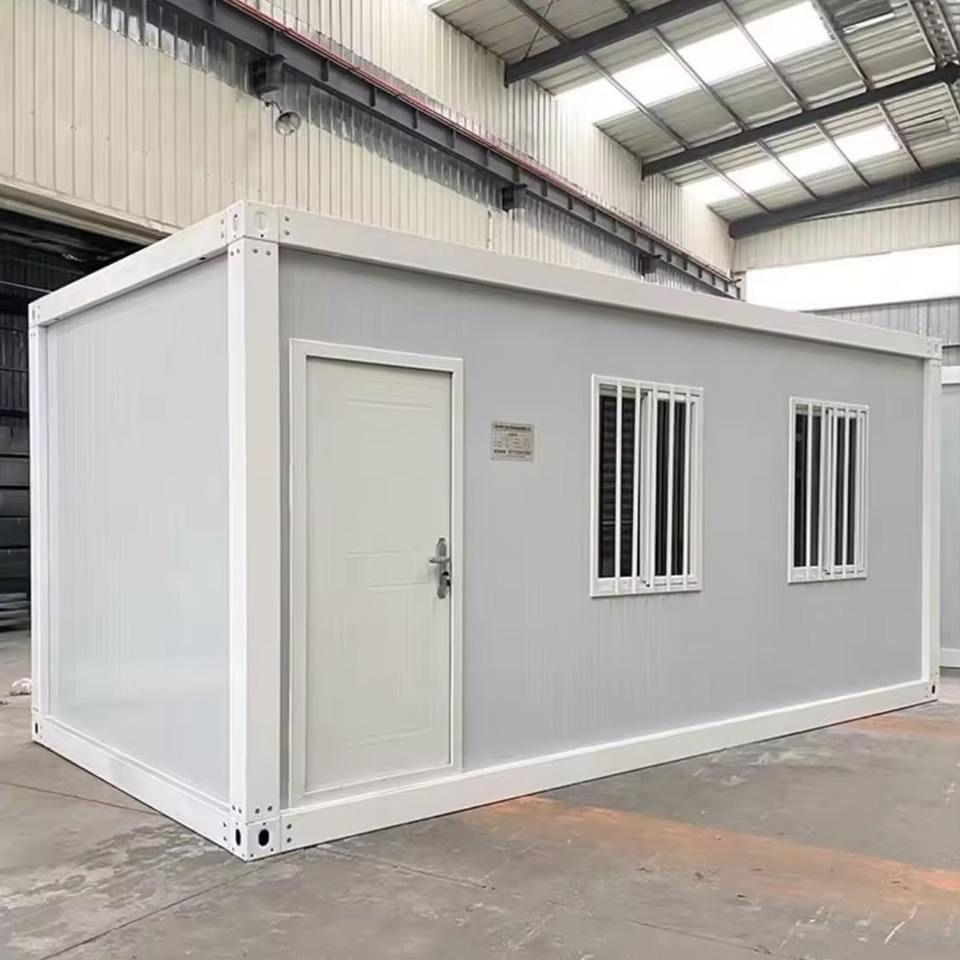
The prefabricated housing model, also known as modular construction, refers to the building method where a structure is broken down into individual modules, manufactured in a factory, and then transported to the construction site for assembly.
Construction Process
Ceilings, floors, plumbing, and electrical systems are all prefabricated on factory assembly lines and then transported to the site for assembly, much like building with blocks. For example, at the CSCEC Hailong Intelligent Construction Industrial Park in Shenzhen, Guangdong, ceiling panels, wall panels, and bathroom waterproofing layers are all produced here. Some loose components are first manufactured separately on the second or third floors and then sent to the final assembly station, where welding robots and highly automated processes complete the final assembly.
Advantages
- Short Construction Time: Factories employ parallel operations, along with the use of automated vertical warehouses and intelligent production lines, enabling construction periods to be reduced by over 60% compared to traditional buildings. For instance, in a public housing project in Shenzhen, Guangdong, five nearly 100-meter-high residential buildings were assembled from 6,028 concrete modules, with the completion and delivery time reduced from 2.5 to 3 years to just 1 year. In Building 19 of Kaiyangli District 3, Youanmen Subdistrict, Fengtai District, Beijing, the time from the hoisting of the main modules to the completion of all construction was very short.
- Controllable Quality: The position of each steel bar is precisely located, with errors and precision controlled in millimeters, allowing for construction akin to manufacturing industrial products, with more detailed designs.
- Energy Efficiency and Environmental Protection: Most construction processes are completed in the factory, with on-site casting for connections, significantly reducing noise, dust, construction waste, and traffic congestion at the construction site.
- Easy Maintenance: Each “block” has a detailed “ID card,” including the project name, product model, and production date.
Application Scenarios
- Urban Renewal: For example, Building 19 in Kaiyangli District 3, Youanmen Subdistrict, Fengtai District, Beijing, was originally an old brick-and-mortar structure with numerous issues. Using this model, it was demolished and rebuilt in place, achieving a comprehensive facility upgrade.
- New Residential Buildings: In a public housing project in Shenzhen, Guangdong, five nearly 100-meter-high residential buildings were assembled from concrete modules, and over 2,000 households have already moved in.
- Office Buildings: The E-MIC prefabricated concrete box housing system reduces module usage through specific arrangements, allowing for more flexible spatial layouts and is suitable for various scenarios, including offices.
Market Situation
In the first half of 2026, China's total exports of prefabricated buildings reached $2.79 billion, a year-on-year increase of 45%. Chinese “prefabricated houses” have become popular in over 160 countries and regions worldwide, with successful application cases in countries such as Australia, the Philippines, and the United Arab Emirates.