Prefabricated Housing for Events
Prefabricated housing for events mainly includes two types: modular buildings and movable panel houses, which differ significantly in structure, characteristics, and application scenarios.

Modular Buildings: The Representative of Industrial Construction
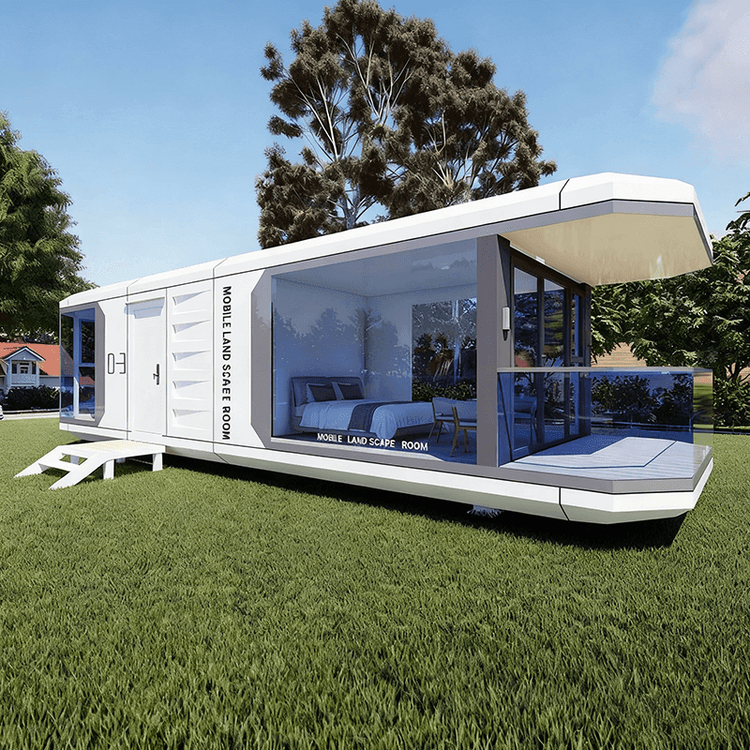
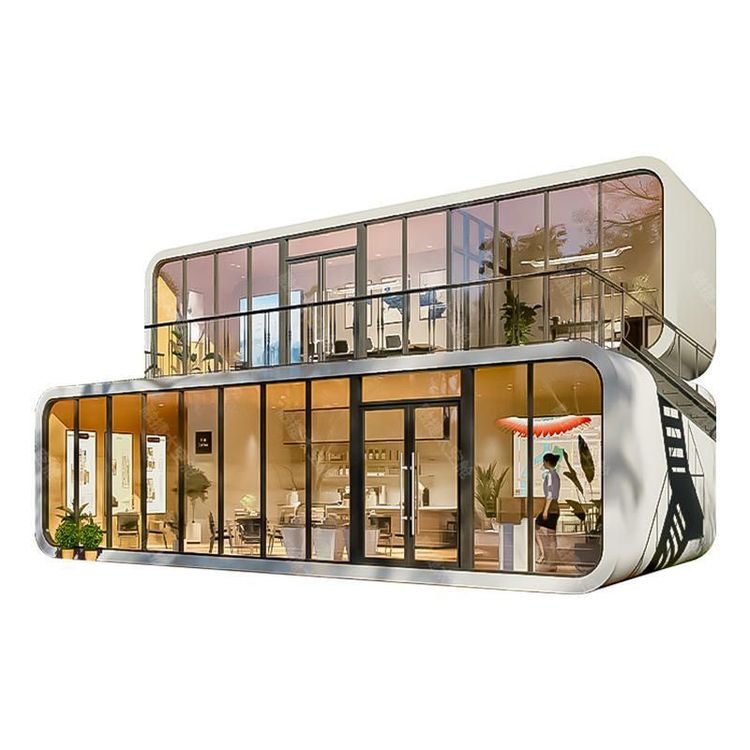
The core of modular buildings lies in breaking down the structure into independent modules. Each module is completed with structural, decorative, and equipment installations in a factory before being transported to the site for assembly. Its production model is similar to automobile manufacturing: individual components are produced separately and then integrated at the final assembly station. This approach reduces construction time by over 60%, ensures controllable building quality through factory production, and minimizes on-site construction errors. Additionally, modular buildings adopt standardized designs, resulting in high material utilization, significant energy savings and environmental protection, and easier maintenance. For example, projects with strict deadlines and quality requirements, such as hospitals and schools, often adopt this type of building.
Movable Panel Houses: Flexible and Economical Temporary Solutions
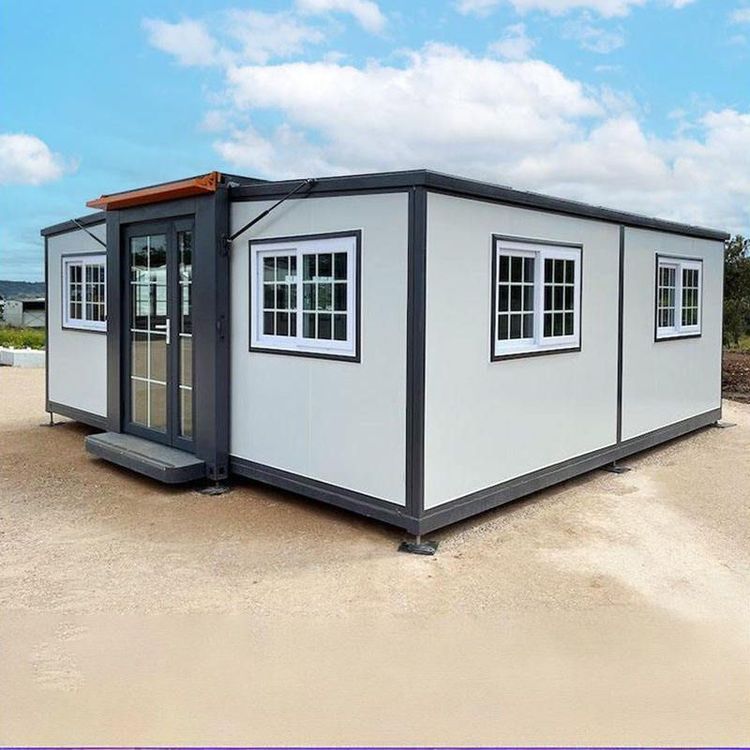
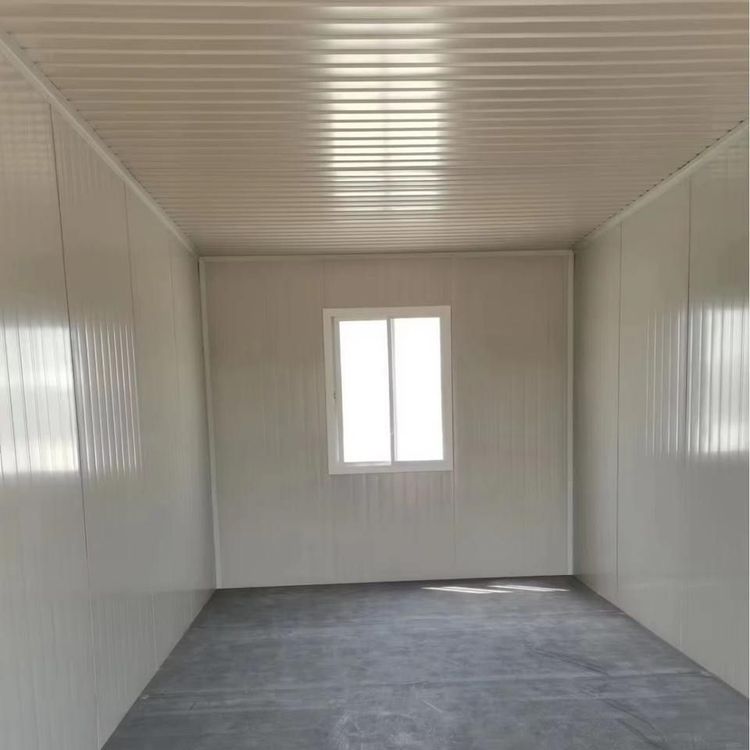
Movable panel houses use light steel as the framework and sandwich panels as the enclosure material, enabling rapid assembly through standardized modular design and bolt connections. Their greatest features are detachability and convenient transportation. Components are prefabricated in factories and then installed on-site in a standardized manner. The area can be customized (15-160 square meters), adapting to various terrains such as hillsides and grasslands. Depending on the materials, movable panel houses are divided into three categories:
- Cement movable houses: These use steel structures for load-bearing, offering stable structures but heavier weights;
- Phosphorus-magnesium movable houses: These are lightweight and low-cost, suitable for short-term use but with average thermal insulation;
- Color steel panel movable houses: These excel in thermal insulation, with a service life of 10-20 years, making them the most widely used type.
In terms of pricing, movable panel houses are significantly influenced by materials and regions. For example, 5 cm 950-type EPS sandwich panels cost approximately 35 yuan per meter, single-slope flat-top color steel houses cost about 230 yuan per square meter, and galvanized components can be recycled for 20 years, reducing long-term costs.
Application Scenarios and Selection Recommendations
Modular buildings are suitable for long-term use and scenarios with high-quality requirements, such as permanent residences and commercial complexes; movable panel houses are more appropriate for temporary needs, such as post-disaster reconstruction and construction site dormitories. The market offers a diverse range of prefabricated housing products for events. When selecting, it is essential to consider factors such as construction time, budget, terrain, and usage cycle comprehensively.