
Prefabricated Housing Business
The prefabricated housing business is a new construction model centered around modular architecture, combining factory-based prefabrication with on-site assembly to achieve efficient, eco-friendly, and flexible building delivery.
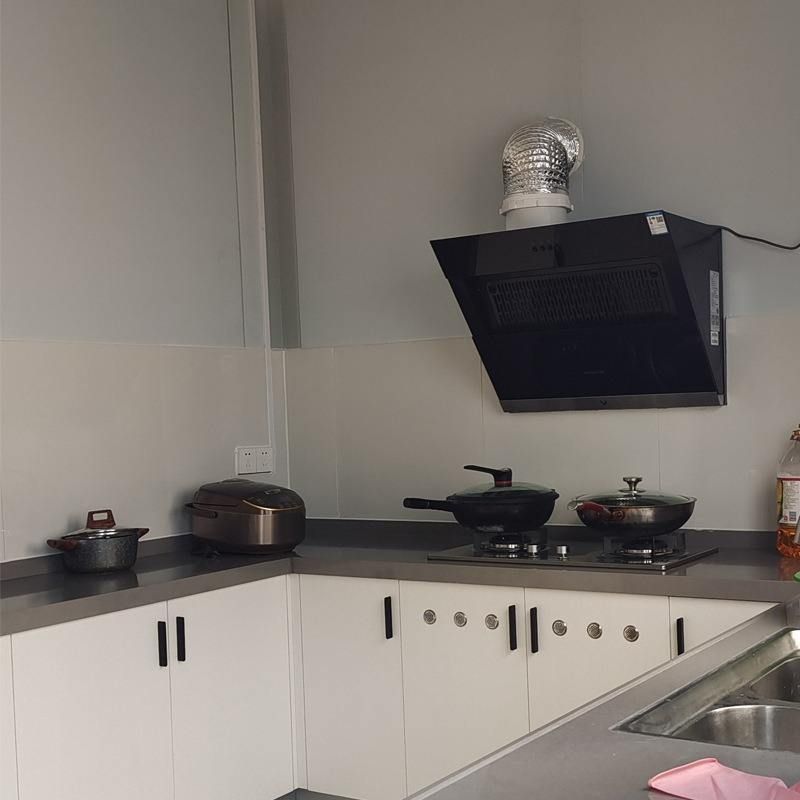
Business Model and Advantages
Modular architecture breaks down buildings into independent unit modules, which are completed with structural and finishing work in factories before being transported to the site for assembly. Its core advantages include: 1. Rapid Delivery: Construction periods are reduced by over 60% compared to traditional buildings. For example, a UK client purchased Chinese modular elderly care apartments, with 63 modules shipped from China and assembled on-site in just two weeks, significantly shortening the project timeline. 2. Environmental Sustainability: Factory-based production reduces on-site noise, dust, and construction waste, aligning with green building trends. Fujian Province has established industrial bases through policy support, achieving over 70% reduction in construction waste while alleviating social issues like traffic congestion. 3. Strong Adaptability: Products cover diverse scenarios such as high-end office buildings, hotels, schools, and data centers, meeting the needs of different industries. For instance, modular data centers can be rapidly deployed to meet the growing demand for computing infrastructure in the ASEAN region's digital economy. 4. Quality Control: Factory production ensures millimeter-level precision in controlling details like steel bar positions and screw accuracy, resulting in far greater quality stability than on-site construction and reducing long-term maintenance costs.
Market Performance and Growth Drivers
The global market is showing breakthroughs across multiple fronts:
- Expanding Export Scale: In the first four months of 2026, Guangzhou Customs reported exports of prefabricated houses worth 1.4 billion yuan, up 38.1% year-on-year; Huangpu Customs supervised module exports worth 548 million yuan in the first seven months, a 7.3-fold increase.
- Broad Geographic Coverage: Products are exported to over 20 countries and regions, including the UK, Australia, Indonesia, Vietnam, Thailand, Malaysia, Cameroon, the Middle East, and Italy, forming a global layout.
- Significant Order Growth: The rise of digital economies in ASEAN has driven demand for data centers, with modular construction becoming the preferred choice due to its short construction periods and quality control. For example, Shanghai Fanyu Trading Co., Ltd. has seen notable order growth and is expanding into the Thai and Malaysian markets.
Corporate Practices and Benchmark Cases
- Guangdong CIMC Architectural Manufacturing Co., Ltd.: With an average annual output value of 77.458 million yuan, overseas orders continue to grow, with delivery volume reaching 59.772 million yuan in the first half of the year. Projects include office buildings in Cameroon, staff dormitories in Indonesia, and oil and gas camps in Australia.
- Jiangmen CIMC Digital Energy Equipment Co., Ltd.: Has delivered over 1,000 MW of modular data centers, covering Malaysia, Indonesia, the Middle East, and Italy, meeting global demand for computing infrastructure.
- CSCEC Hailong Intelligent Construction Industrial Park: With an annual delivery capacity of 20,000 to 30,000 modules, it achieves efficient production through parallel operations, automated warehouses, and intelligent production lines, representing advanced manufacturing in the industry.
Future Outlook
It is predicted that the global modular construction market will exceed $142.8 billion by 2030. Leveraging its complete industrial chain advantages, China is driving the transformation of "house-building" into standardized industrial exports, with modular construction poised to become a key growth driver in the global construction market.



