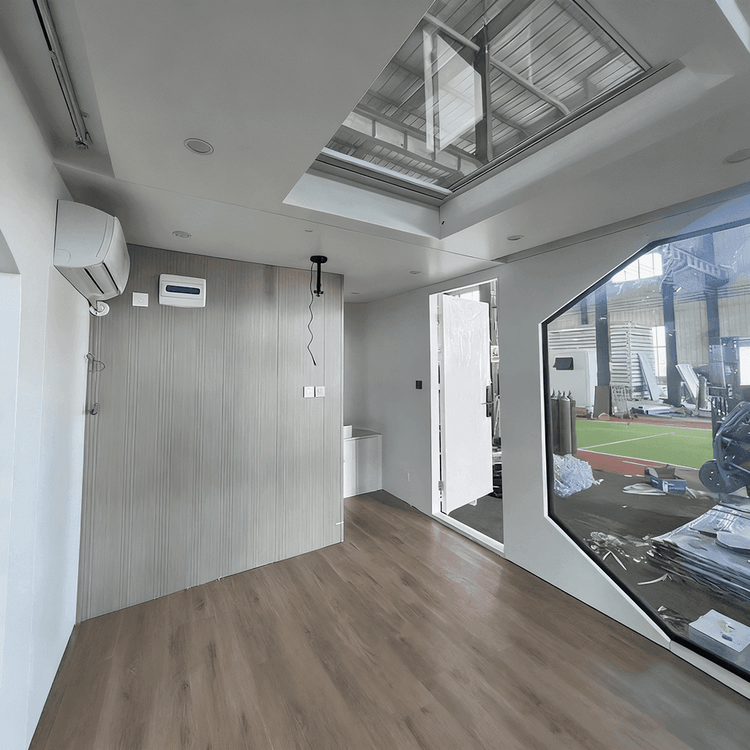
Prefabricated Housing Assembly
Prefabricated housing assembly is a construction method that transfers on-site operations to factories, where prefabricated components are assembled on-site.

Definition and Types
Prefabricated housing assembly moves a significant amount of on-site work from traditional construction methods to factories. In the factory, building components and accessories such as floor slabs, wall panels, and stairs are processed and manufactured. These are then transported to the construction site for assembly and installation using reliable connection methods. The main types include panel-based assembly, box-based assembly, and frame-based assembly, with technologies covering prefabricated concrete structures and steel structures. Taking modular construction as an example, it breaks down buildings into independent modules, which are manufactured in the factory and then transported to the construction site for assembly. The ceilings, floors, plumbing, and electrical lines of the house are all prefabricated on the factory assembly line, and the on-site assembly is as simple as building with blocks.
Assembly Process
The entire process of assembling prefabricated components on-site is divided into two parts: factory production and on-site installation. In the factory, following steps such as marking and installing side forms and installing embedded parts, operations such as two-time concrete pouring, vibration, manual troweling, and mechanical troweling are carried out. The components are then sent to a curing room for 8 hours of curing before being transported to the construction site. On-site, the first step is positioning and pre-treatment, followed by hoisting exterior walls, installing diagonal braces, and aligning steel bars to effectively connect the current floor wall with the next floor wall. Then, composite slab installation, stair installation, and the placement of pipelines and upper steel bars are carried out, followed by construction on other floors.
Advantages and Disadvantages
Compared to traditional construction methods, modular construction offers advantages such as shorter construction periods, controllable quality, energy efficiency, environmental protection, and ease of maintenance, with construction periods reduced by over 60%. However, this model places extremely high demands on the industrial base, requiring support from technical systems, production systems, and industrial clusters.
Development Status and Trends
Prefabricated concrete technology in China began in the 1950s and was initially applied to factory and residential construction. It experienced a resurgence in the 21st century due to its production efficiency and environmental advantages. By 2025, the proportion of newly started prefabricated buildings in Hainan Province will reach 80%. Starting from 2026, 100% of residential land sold in Guangzhou will implement prefabricated construction. According to market research institution predictions, the global modular construction market size will exceed $142.8 billion by 2030.
You may also like
Portable Toilet Movable Eco-Friendly: What to Know Before You Buy
Read More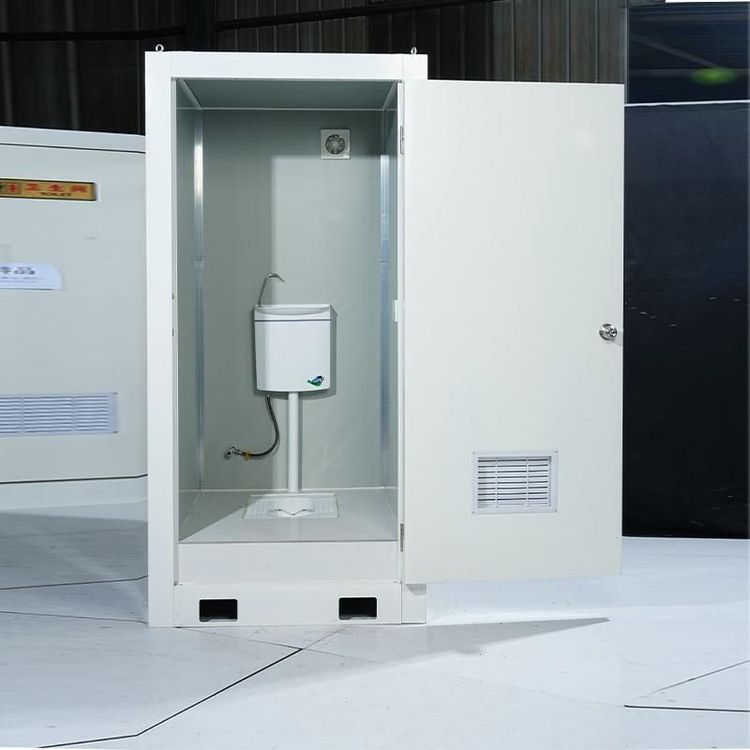
Top Portable Toilet Specifications Manufacturers: How to Choose a Factory Partner
Read More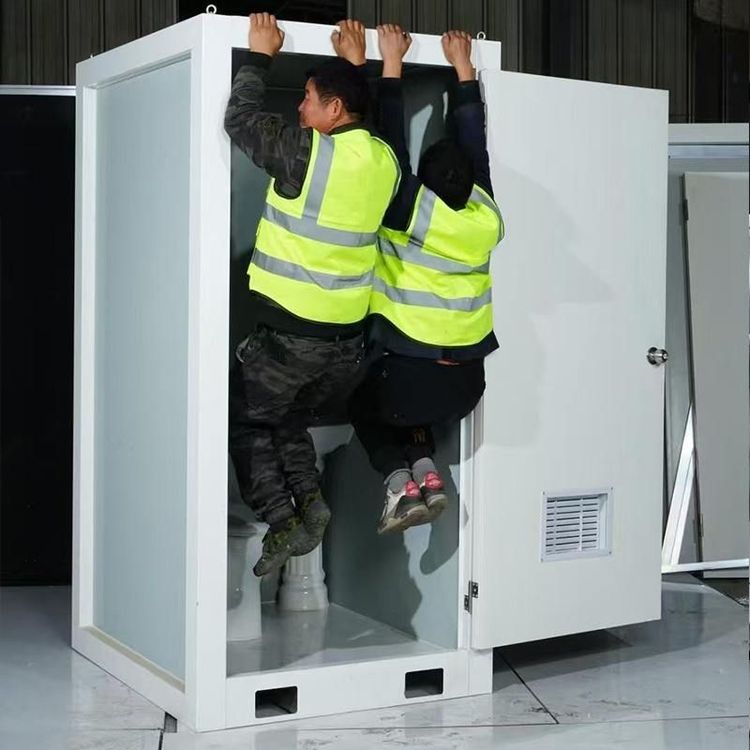
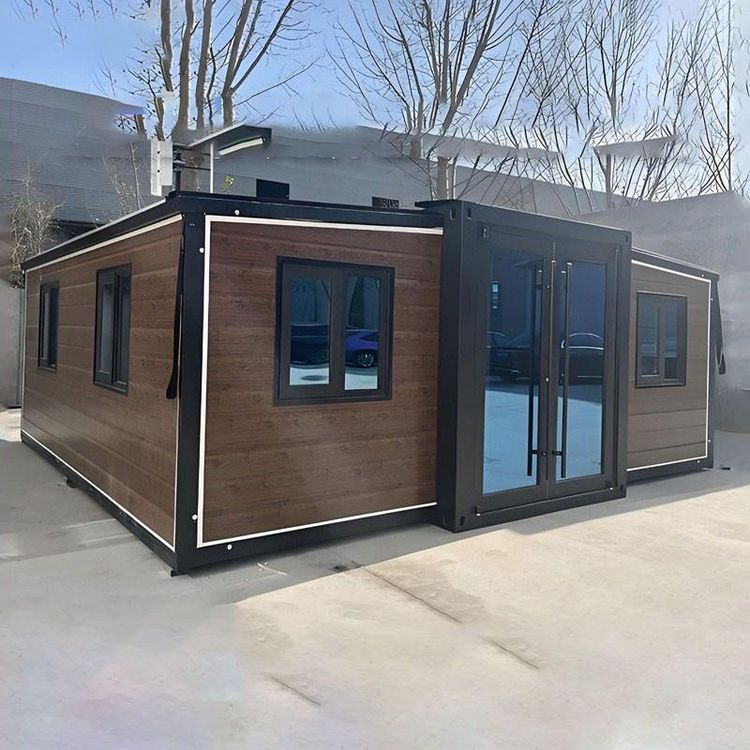
Container House Rendering in 2026: Buying Guide & Recommendations
Read More