
Are There Prefabricated Houses in Guizhou?
Prefabricated houses do exist in Guizhou. The unique geographical and climatic conditions in Guizhou have promoted the widespread application and development of prefabricated houses in the region.
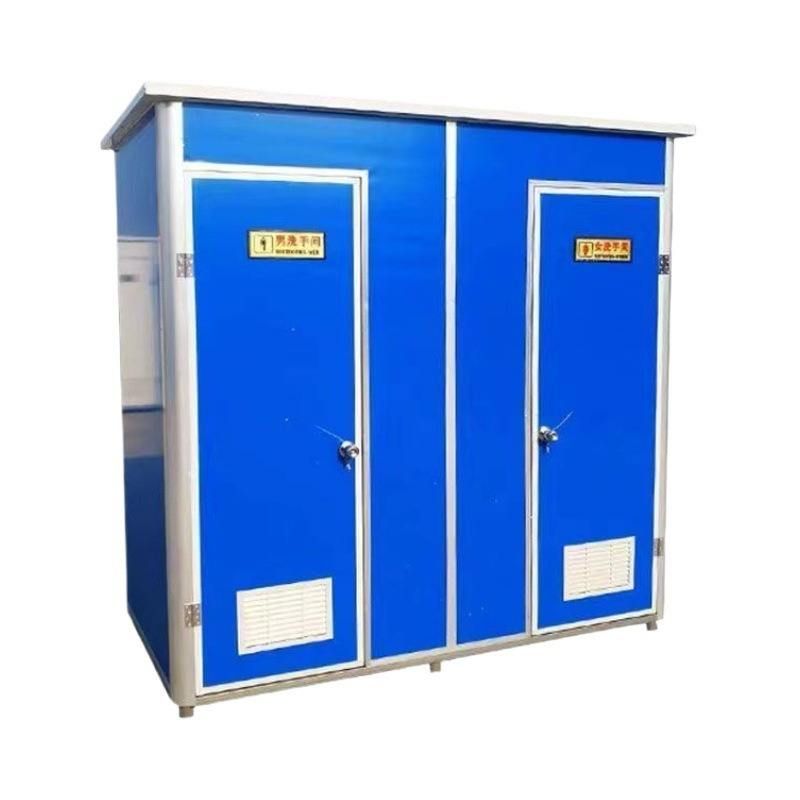
I. Demand for Prefabricated Houses Due to Guizhou's Topography and Climate
Guizhou's topography is predominantly mountainous, with scarce flat land resources and a humid and rainy climate. Traditional construction methods are significantly restricted by the terrain, resulting in long construction periods, high costs, and difficulty in adapting to complex geological conditions. Prefabricated houses, on the other hand, are produced in factories and assembled on-site, effectively reducing dependence on terrain flatness, shortening construction periods, and lowering construction costs. Additionally, their modular design better copes with the humid climate, enhancing building durability through waterproofing and moisture-proofing processes.
II. Practical Applications in Cities like Guiyang
Guiyang, as the capital city of Guizhou, is particularly characterized by its high proportion of mountainous areas and humid climate. Prefabricated integrated houses, due to their flexibility and adaptability, have become important choices for local affordable housing and rural revitalization projects. For example, some affordable housing projects adopt the prefabricated house model, achieving rapid delivery and cost control through standardized design and industrialized production. In the field of rural revitalization, prefabricated houses are used to construct homestays, tourist centers, and other facilities, preserving local characteristics while improving construction efficiency.
III. Industrial Distribution of Prefabricated Houses in Guizhou
Prefabricated house manufacturers in Guizhou are mainly concentrated in cities like Guiyang and Zunyi. These enterprises not only provide standardized products but also offer customized design services according to customer needs. Their products have a wide range of applications, covering temporary buildings (such as emergency shelters), rural self-built houses, post-disaster reconstruction, and other fields. For instance, in post-disaster reconstruction, prefabricated houses can quickly set up temporary shelters, providing safety for affected people. In the field of rural self-built houses, their modular design meets farmers' diverse needs for spatial layout.
IV. Technological Advantages and Future Trends
The prefabricated house industry in Guizhou emphasizes technological innovation, with some manufacturers introducing intelligent production lines to enhance component precision and production efficiency. Meanwhile, with the popularization of green building concepts, the advantages of prefabricated houses in energy conservation and environmental protection are gradually becoming prominent. In the future, with technological iterations and policy support, prefabricated houses are expected to be promoted in more fields in Guizhou, becoming an innovative force driving urban and rural construction.



