Back to blog
Article
Prefabricated Houses in Australia
Admin September 17, 2026
Prefabricated houses are receiving increasing attention and application in Australia, becoming an important solution to address housing issues.

I. Application Examples
- High-rise Building Sector: Queensland in Australia once used prefabricated concrete module technology to construct a 15-story building within 48 hours. This case demonstrates the potential of prefabricated houses in rapid construction and large-scale applications, particularly suitable for housing demands in densely populated urban areas.
- Residential Project Practices: Melbourne has a prefabricated house project manufactured in China, where components such as walls, bathrooms, and stairs are produced in advance in China and then assembled on-site in Australia through modular construction. Such projects take only four months from contract signing to delivery, significantly shortening the traditional construction cycle.
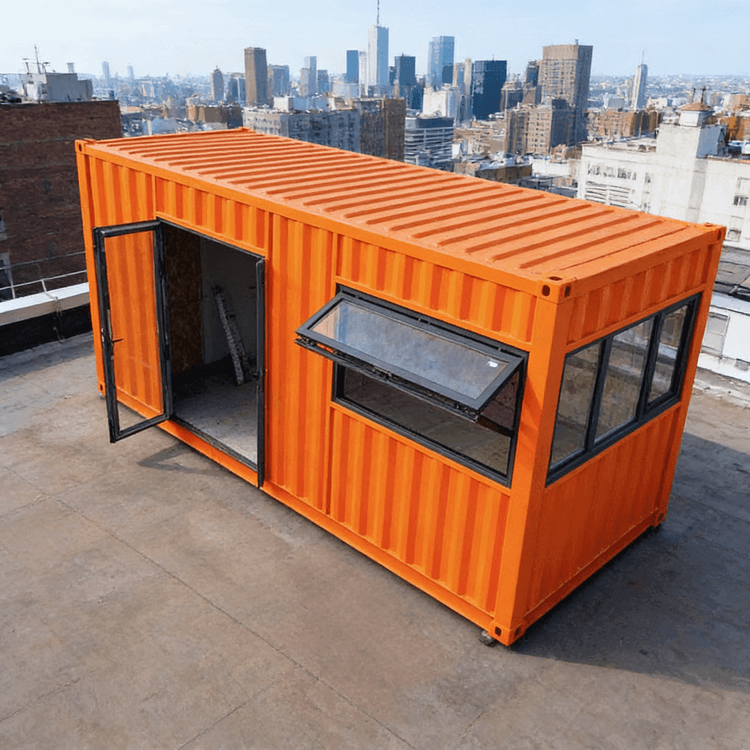
- Expandable Container Houses: Expandable container houses from China are exported to Australia and can be used after unfolding, securing, and connecting to water and electricity upon arrival, with a price tag of less than $30,000. These products are favored by some buyers for their low cost and high flexibility.
II. Promotion Background
- Housing Shortage Pressure: Australia faces a housing supply shortage, and the standardized production and rapid deployment capabilities of prefabricated houses can effectively alleviate this contradiction.
- Labor and Cost Challenges: A shortage of construction workers and rising construction costs have prompted the industry to shift towards industrialized construction methods. Prefabricated houses reduce on-site labor requirements through factory production while minimizing material waste and weather-related delays.
- Policy and Technological Drivers: Governments across Australia actively promote prefabricated construction technologies, such as encouraging their application through simplified approval processes and subsidies. Additionally, the integration of digital design (e.g., BIM technology) with automated production lines further enhances the quality and efficiency of prefabricated houses.
III. Advantages and Characteristics
- Efficiency Improvement: Modular design shortens construction periods by more than 50%, making it particularly suitable for emergency housing or temporary facility needs.
- Quality Control: Standardized production in a factory environment reduces human errors, resulting in component precision and durability superior to traditional on-site construction.
- Environmental Protection and Energy Efficiency: Prefabricated components optimize material usage and reduce construction waste; some projects incorporate solar panels and energy-efficient walls, meeting Australia's green building standards.
- Flexibility: From single-story homes to high-rise apartments, prefabricated technology can adapt to diverse needs; innovative forms like container houses offer movable and expandable solutions.
IV. Market Prospects
With technological maturity and policy support, the market penetration of prefabricated houses in Australia will continue to grow. They are not only suitable for ordinary residences but can also be extended to public building sectors such as schools and hospitals, becoming an important direction for the future transformation of the construction industry.
Related