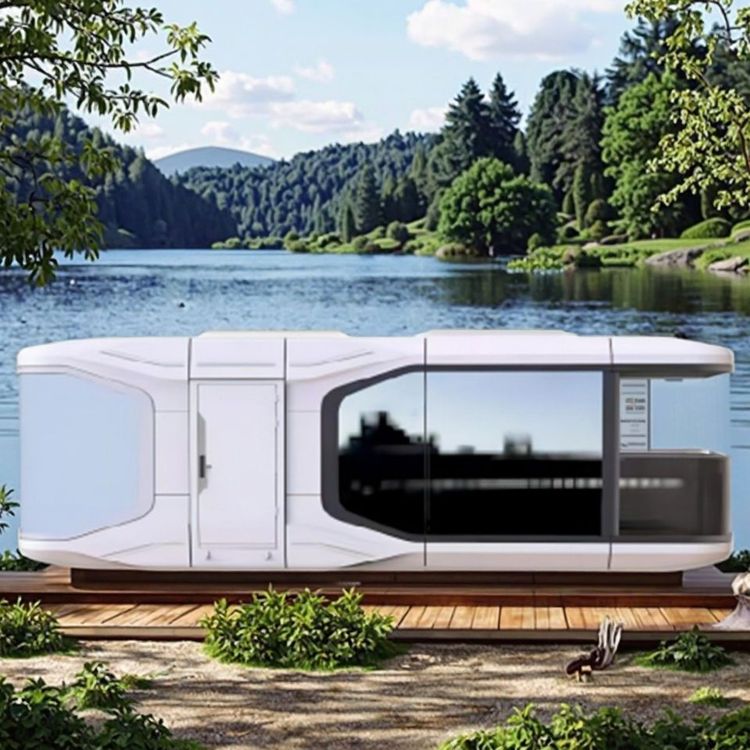
How to Construct a Prefabricated House Villa
The construction of a prefabricated house villa involves processes such as design planning, component production, foundation construction, transportation and hoisting, component installation, interior decoration, and quality inspection and acceptance.
Design Planning
Communicate your needs with a professional designer to clarify details such as the villa's style (e.g., modern, European), layout (number of rooms, functional areas), and area. Generate detailed design drawings that include structural, plumbing, and decorative elements. During this phase, optimize the design based on site conditions (e.g., terrain, climate) to ensure feasibility and cost-effectiveness.Prefabricated Component Production
Produce components such as walls, roofs, and floor slabs in a factory using standardized processes according to the design drawings. For example, light-steel villas use light-steel keels as frames paired with prefabricated panels; heavy-light steel villas connect factory-prefabricated walls and floor slabs with bolts. Factory production allows for strict control over material quality (e.g., steel strength, concrete mix ratios) and machining accuracy, reducing on-site construction errors.Foundation Construction
Treat the foundation according to design requirements to ensure sufficient load-bearing capacity. Light-steel villas typically use flat concrete floors or strip foundations, while heavy-light steel villas may use ground beams to enhance stability. Foundation construction should avoid the rainy season to prevent foundation settlement and reserve embedded parts or connection points for component installation.Component Transportation and Hoisting
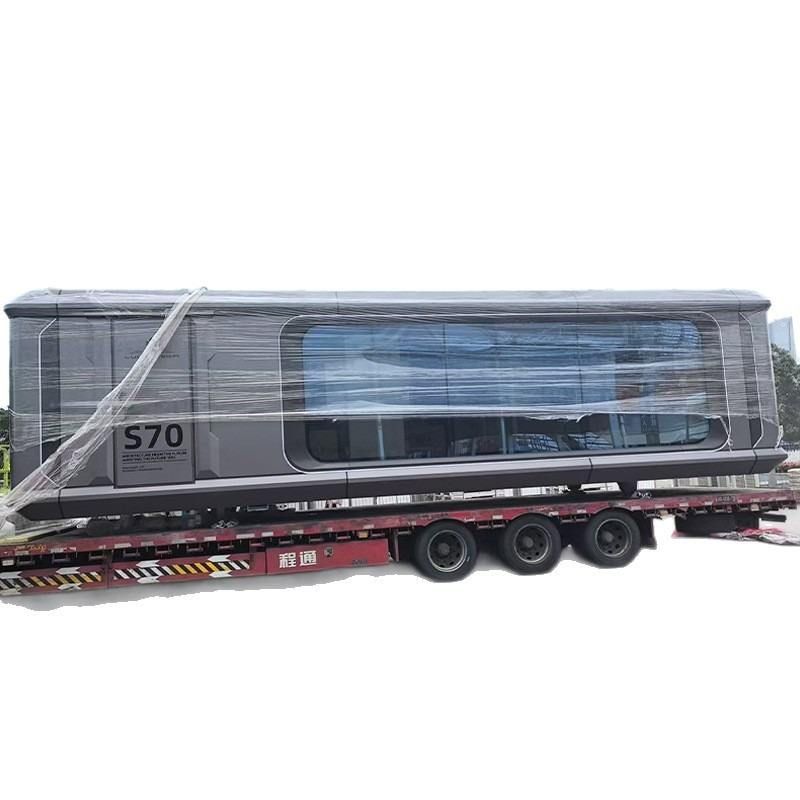
Transport components using specialized vehicles to avoid collision damage; hoist components to designated locations on-site using cranes or other equipment. Plan the transportation route in advance to ensure road width and load-bearing capacity meet requirements; select appropriate equipment based on component weight and size during hoisting and set up safety warning zones.Component Installation
Assemble components in sequence and secure them with bolts, welding, or specialized connectors. For example, light-steel villas first erect the frame and then install walls and roofs; heavy-light steel villas directly assemble prefabricated modules. During installation, calibrate horizontal and vertical alignment to ensure structural stability and perform waterproofing and moisture-proofing treatments.Interior Decoration
After completing the main structure, lay plumbing and electrical lines, install doors and windows, and decorate walls and floors. Decorative materials must meet environmental standards, and plumbing and electrical layouts should reserve space for future upgrades. For example, pre-install smart home wiring to enhance living convenience.Quality Inspection and Acceptance
Conduct a comprehensive inspection of structural safety, decoration quality, and equipment functionality to ensure compliance with national standards and design requirements. Only deliver the villa for use after passing the inspection and provide a maintenance manual and warranty service.
Prefabricated house villas, through industrial production and modular installation, significantly shorten construction periods, reduce construction waste, and offer advantages such as environmental protection, energy efficiency, and flexible renovation, making them an important direction in modern architecture.