
Cost of Transportation and Installation for Prefabricated Houses
The cost of transportation and installation for prefabricated houses varies significantly depending on factors such as project scale, region, and supplier service model, requiring a comprehensive assessment based on specific cases and service content.
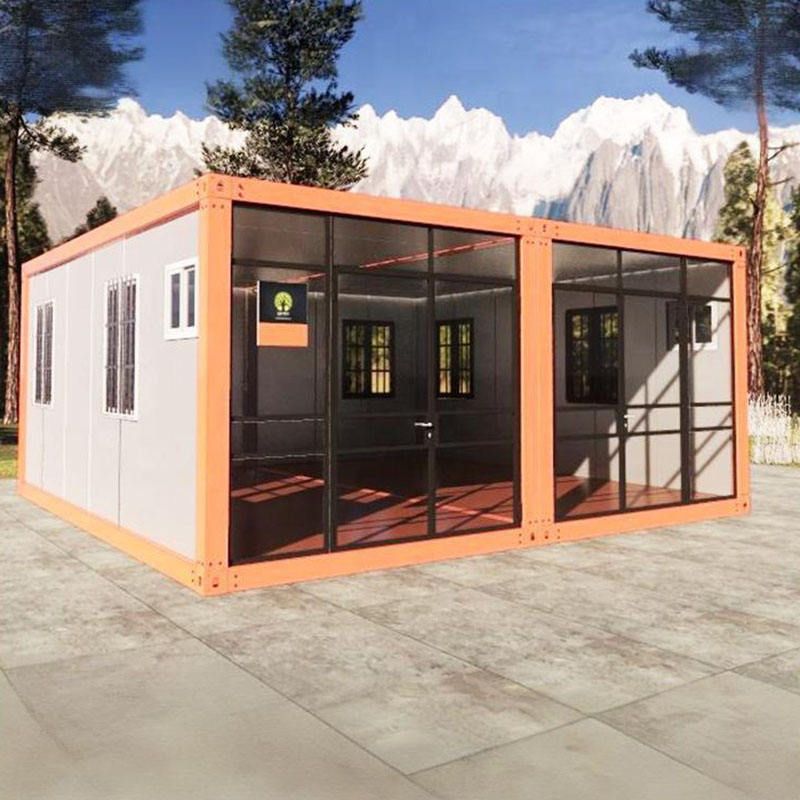
I. International Case: Cost Composition of Container Homes in the United States
Taking the example of a 40-foot expandable container home purchased by a couple in the United States, the cost structure clearly reflects the proportion of transportation and installation costs. The ex-factory price of the bare house is $15,800, but after adding all costs such as ocean freight, tariffs, inland transportation, and hoisting, the total landed price reaches $28,689 (equivalent to just over 200,000 RMB). Among them, transportation and installation-related costs account for approximately 45%, including:
- Ocean Freight Costs: Influenced by factors such as shipping route distance, container specifications, and fuel prices, cross-ocean transportation costs are relatively high;
- Tariffs and Inland Transportation: Significant differences in tariff policies among countries, as well as inland transportation distance and terrain complexity (such as mountainous areas and urban traffic restrictions), also increase costs;
- Hoisting and On-site Installation: Require professional equipment (such as cranes) and personnel operation, with costs directly related to the weight of the house, installation height, and site conditions.
II. Domestic Model: Cost Reduction Advantages of Full Industry Chain Services
Some prefabricated house suppliers in China adopt a full industry chain service model, significantly reducing hidden costs by integrating research and development, design, production, transportation, and installation. For example:
- Transportation Link: Suppliers directly connect with logistics resources, avoiding information asymmetry issues that customers may face when negotiating prices on their own, while optimizing transportation routes and loading plans to reduce empty driving rates;
- Installation Link: Manufacturers dispatch professional hoisting teams familiar with the structural characteristics of the houses, which can shorten the installation cycle and reduce rework risks, resulting in lower costs compared to outsourced teams;
- Coordination Costs: With a single entity responsible for the entire process, the time cost of customer communication with multiple parties is reduced, especially suitable for off-site projects or complex site conditions.
III. Summary of Cost Influencing Factors
- Project Scale: The area, number of floors, and structural complexity of the house directly affect transportation weight and installation difficulty;
- Regional Differences: Higher transportation costs in remote or inaccessible areas, and local labor costs also affect installation quotes;
- Service Content: Whether value-added services such as foundation construction, water and electricity connection, and interior decoration are included significantly expands the cost range.
It is recommended that customers clarify their needs before purchasing, prioritize suppliers offering full-process services, and control costs through multi-plan price comparisons.



