Houses Similar to Prefabricated Houses
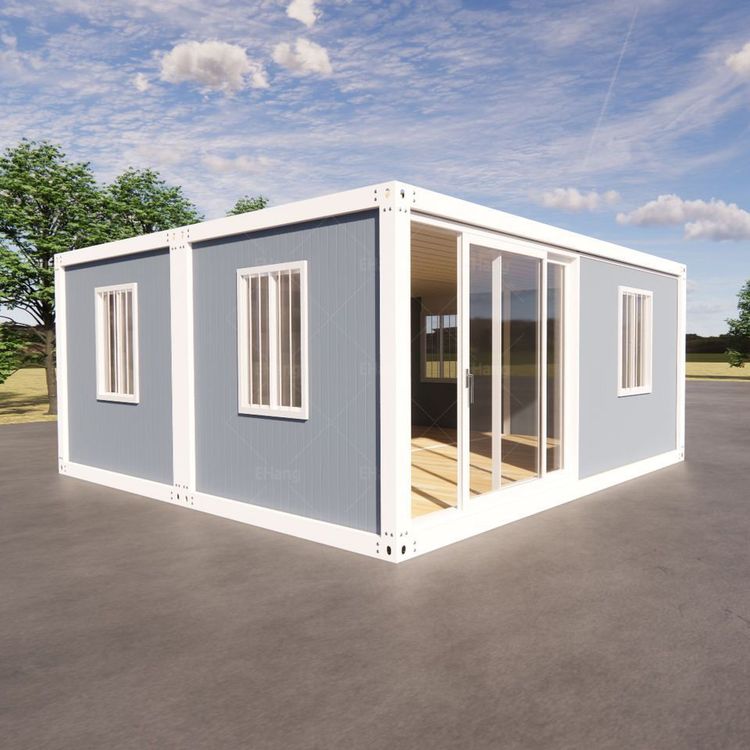
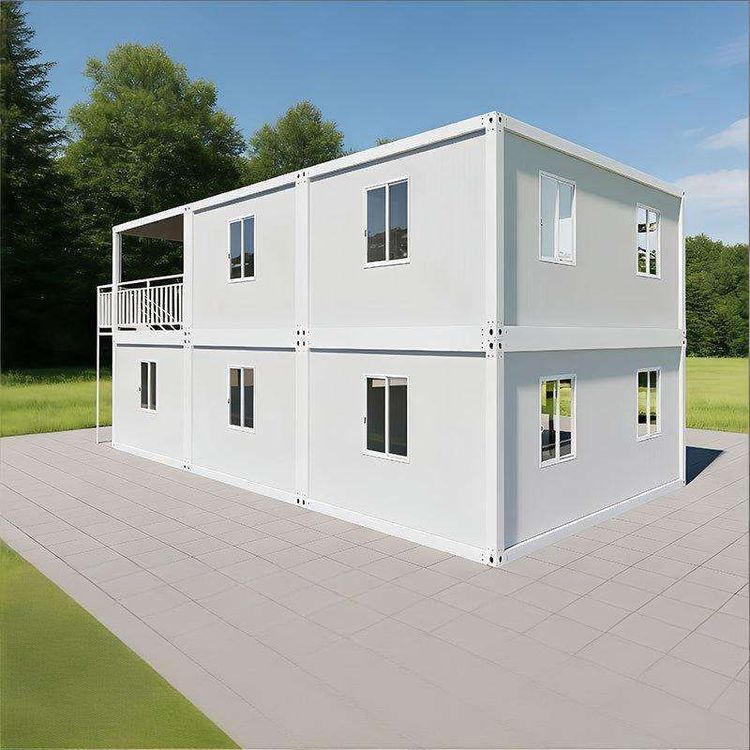
Houses similar to prefabricated houses are commonly referred to as prefabricated buildings or modular prefabricated houses.
Definition and Characteristics of Prefabricated Buildings
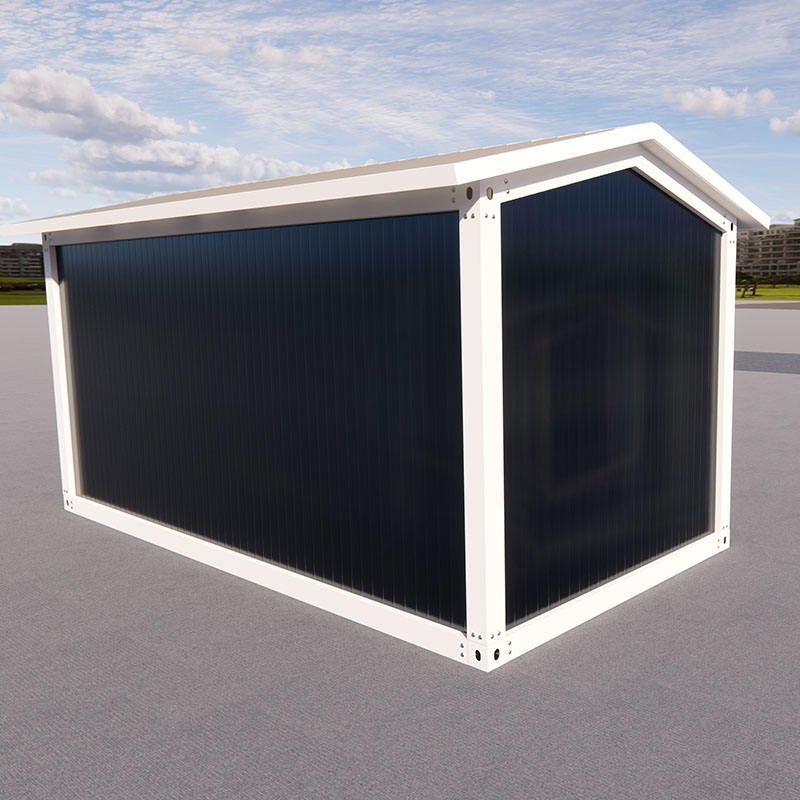
Prefabricated buildings are constructed off-site in factories or manufacturing facilities and then transported to their final location for assembly. This construction method offers significant advantages. Firstly, it can save costs because factory-based production enables economies of scale, reducing material waste and labor costs. Secondly, prefabricated buildings can shorten construction time as most components are prefabricated in the factory, and on-site construction mainly involves assembly, reducing the complexity and duration of on-site operations. Additionally, prefabricated buildings enhance design flexibility, allowing for customized designs based on different needs and site conditions.
Classification of Prefabricated Buildings
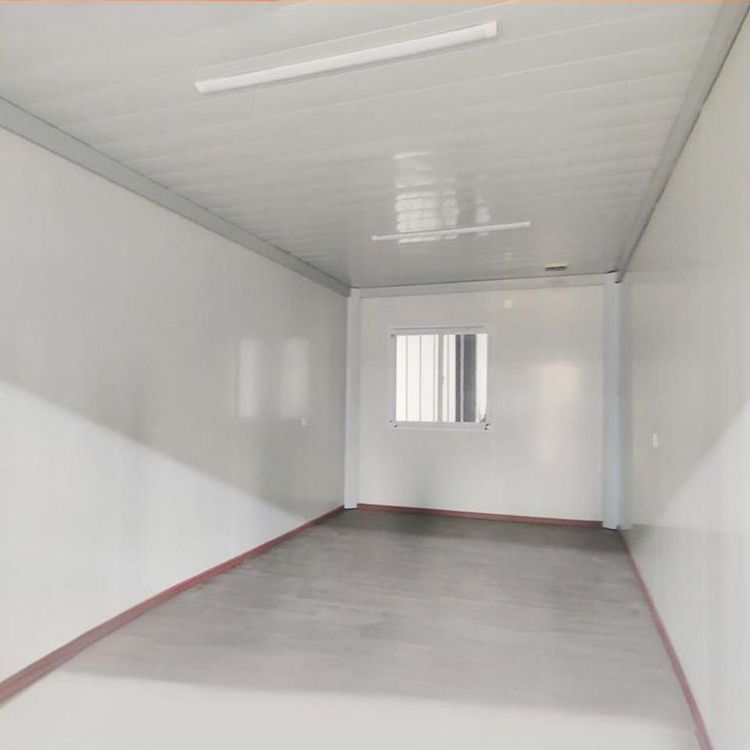
Prefabricated buildings can be divided into five main categories: block buildings, panel buildings, box buildings, skeleton panel buildings, and lift-slab and lift-floor buildings. Among them, box buildings are most similar to prefabricated houses. Box buildings are fully assembled in the factory, creating a small single room with hard installations such as showers, bathrooms, and kitchens already installed. This form of construction allows for immediate occupancy upon delivery, greatly improving the convenience and efficiency of living.
Characteristics of Modular Prefabricated Houses
Modular prefabricated houses are a special form of prefabricated buildings, emphasizing that at least 70% of the building components are constructed off-site. Modular prefabricated houses offer a high degree of design flexibility, allowing for customization based on specific needs and preferences. Whether for residential, commercial, or public facilities, modular prefabricated houses can meet diverse design requirements. Furthermore, modular prefabricated houses have advantages in terms of environmental protection and sustainability, as factory-based production reduces noise and dust pollution from on-site construction, while material usage is more efficient and environmentally friendly.
Conclusion
Prefabricated buildings and modular prefabricated houses, as forms of construction similar to prefabricated houses, offer significant advantages such as cost savings, shortened construction time, and enhanced design flexibility. Among them, box buildings are most similar to prefabricated houses, enabling complete prefabrication and rapid occupancy. Modular prefabricated houses, on the other hand, provide even greater design flexibility and environmental performance, representing an important direction for the future development of construction.