
Prefabricated House Solar Photovoltaic Panels
Prefabricated houses can be equipped with solar photovoltaic panels, but it is necessary to comprehensively consider various factors such as structure, selection, installation, and electrical systems to ensure safety and effectiveness.
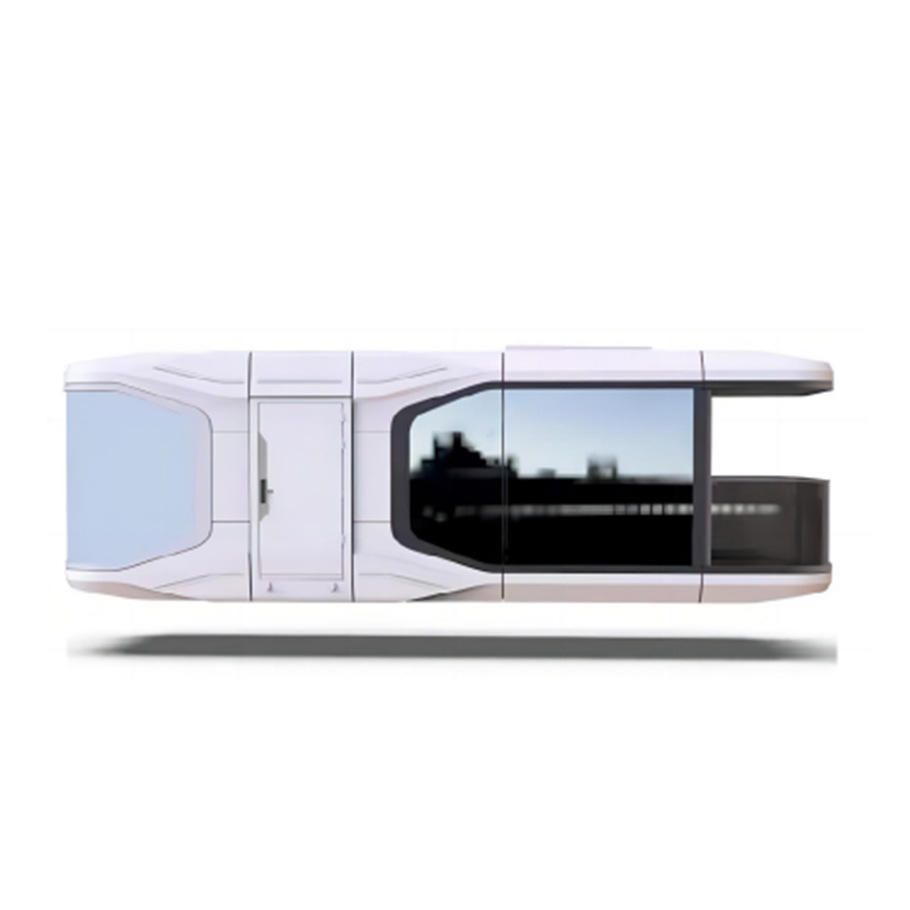
Structural Load-Bearing Capacity
Prefabricated houses often use light steel structures or concrete prefabricated panels, which have limited load-bearing capacity. The weight of photovoltaic panels is approximately 15 - 20 kg/㎡, and when combined with the weight of the brackets and wind pressure loads, the total load can reach 30 - 40 kg/㎡. If the roof structure cannot bear this load, reinforcement must be carried out in advance to prevent roof deformation or collapse due to excessive loads.
Photovoltaic Panel Selection
To reduce the load pressure on the roof, it is recommended to choose lightweight, flexible, or semi-flexible photovoltaic panels, such as flexible solar photovoltaic panels, high-efficiency monocrystalline silicon photovoltaic panels, or customized photovoltaic panels. These types of panels are lighter in weight and can adapt to a certain degree of roof deformation, reducing installation risks.
Installation Methods
- Bracket Selection: Prioritize the use of aluminum alloy or light steel brackets, which should be fixed to the roof load-bearing beams rather than directly to the prefabricated panels to ensure stability.
- Windproof Design: Use windproof brackets or add counterweights to prevent the photovoltaic panels from being overturned in strong winds.
- Waterproofing: During installation, ensure that the roof waterproof layer is not damaged. If necessary, install waterproof gaskets or redo the waterproofing to prevent leakage issues.
Electrical System Design
The photovoltaic system requires equipment such as inverters, cables, and distribution boxes. It is recommended to choose microinverters or string inverters, which are small in size, easy to install, and can reduce system complexity and failure risks while improving power generation efficiency.
Maintenance and Precautions
- Regular Inspections: The roof of a prefabricated house may deform due to wind pressure or temperature changes. Regularly inspect the fixing of the photovoltaic panels and brackets to ensure a secure connection.
- Cleaning and Maintenance: Keep the surface of the photovoltaic panels clean to avoid reduced power generation efficiency due to dust or snow coverage, especially in winter or dusty weather when cleaning should be strengthened.
- Safety Protection: During installation, set up lightning protection grounding devices and ensure that electrical equipment meets safety standards to prevent safety accidents caused by lightning strikes or electrical failures.
Subsidy Policies and Applicable Scenarios
Rural prefabricated houses installing photovoltaic panels may be eligible for subsidies, but specific policies vary by region and time. National subsidies have gradually decreased, but some local governments still encourage the development of solar photovoltaic power generation in rural areas and have introduced policies such as construction subsidies, power generation subsidies, or electricity fee subsidies. In addition, the installation of photovoltaic panels on prefabricated houses is suitable for temporary buildings (such as construction site temporary housing), agricultural facilities (such as greenhouses and livestock farms), and industrial and commercial roofs (such as warehouses and factories).



