
Back to blog
Article
Quality Inspection Standards for Prefabricated Houses
Admin September 18, 2026
The quality inspection standards for prefabricated houses cover three aspects: structural inspection, component acceptance, and testing and appraisal.
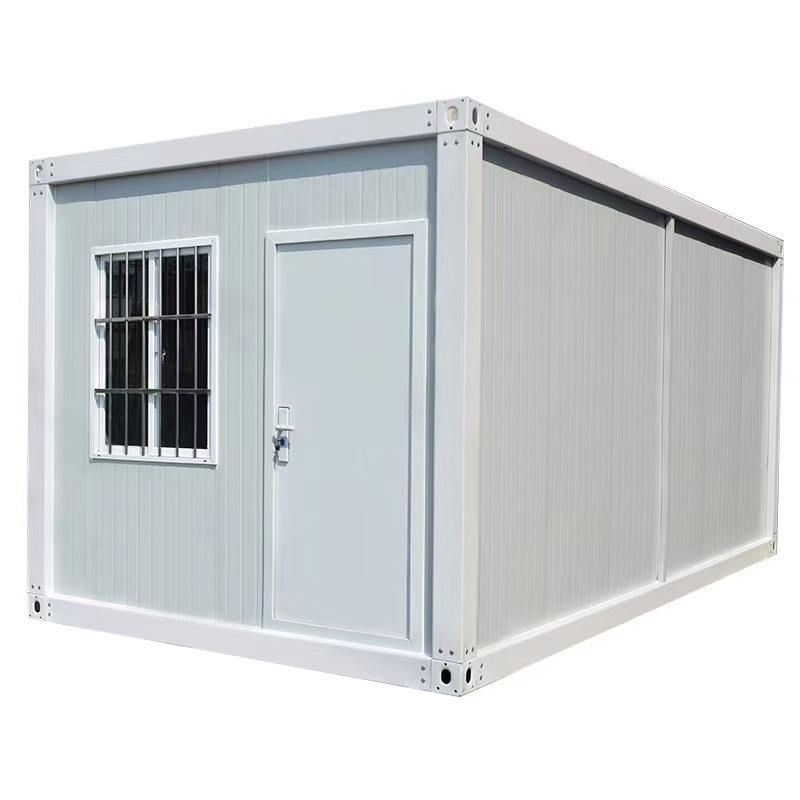
I. Preliminary Inspection of Safety Hazards in Old Urban Prefabricated Panel Houses
- Structural Integrity and Foundation: Check for signs of foundation settlement, such as uneven ground levels around the house and diagonal cracks at the base of walls; visually assess whether the house is tilted or twisted.
- Special Inspection of Core Components:
- Prefabricated Floor Slabs: Focus on inspecting cracks at the bottom of the slabs, deflection and deformation, and damage at the ends.
- Load-Bearing Walls: Examine for stress cracks and weathering phenomena, and confirm whether ring beams and structural columns are installed to enhance structural stability.
- Node Connections: Check whether the support of prefabricated slabs on walls is secure, and whether there are separations or cracks at the corners and intersections of walls.
- Unauthorized Renovations and Usage Environment: Verify whether there have been unauthorized removals of load-bearing walls, enlargements of door and window openings, or additions of floors on rooftops or heavy loads placed on floor slabs; if the residence is converted into a crowded place, assess the risks associated with increased live loads.
II. On-Site Acceptance and Inspection of Concrete Prefabricated Components
- Performance Inspection of Flexural Members:
- Inspection Site: Conduct tests at the prefabricated component production plant or on the construction site.
- Inspection Quantity: For each type of component, every 1000 pieces constitute a batch, and one piece is randomly selected for structural performance inspection.
- Inspection Method: According to Appendix B of the "Code for Acceptance of Constructional Quality of Concrete Structures", test the bearing capacity, deflection, crack width, or crack resistance.
- Management of Exempted Components: If structural performance inspections are not conducted, on-site supervision or physical inspections must be implemented:
- The construction unit or supervision unit shall assign representatives to supervise production at the plant and fulfill registration and clock-in procedures.
- When there is no on-site supervision, upon arrival, inspect the quantity, specifications, spacing, and protective layer thickness of the main load-bearing steel bars, as well as the concrete strength.
III. Standards for House Quality Testing and Appraisal (Taking Shanghai as an Example)
- Types of Testing and Appraisal: Include inspections for condition, safety, damage trends, seismic capacity, and dangerous houses, with the addition of special inspections for exterior walls and identification of repairs to load-bearing structures.
- Adjustments to Technical Content: Increase on-site testing of the performance of reinforcement materials, remove some outdated content; introduce structural health monitoring and improve house deformation measurement and long-term monitoring systems.
Related
You may also like
06Nov
Everything You Need to Know About Portable Toilet Used For Sale
Read More
06Nov
House Design: Top Options & Considerations
Read More
06Nov
Top Portable Toilet Air Conditioning Manufacturers: How to Choose a Factory Partner
Read More
06Nov