Back to blog
Article
Are Prefabricated Houses Good or Not?
Admin September 18, 2026
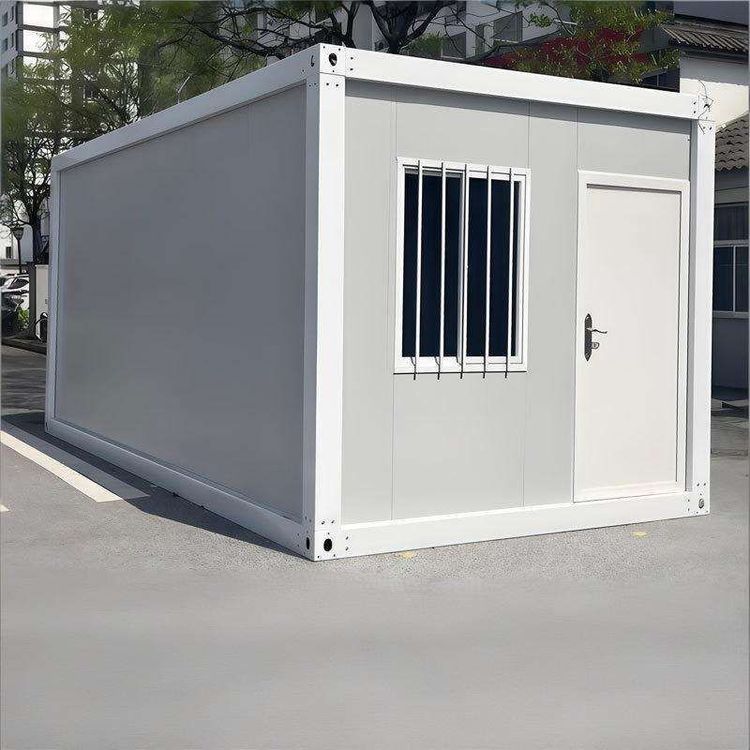
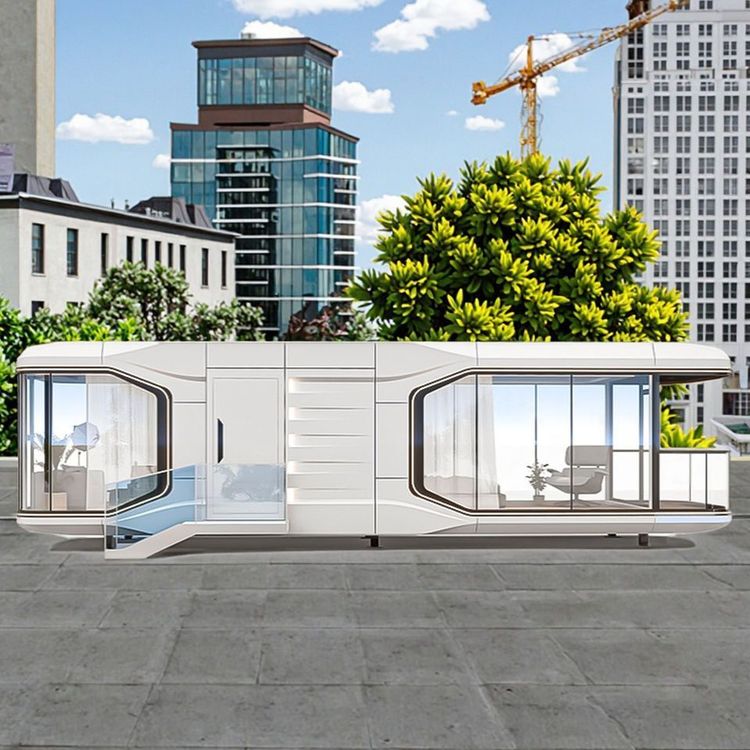
Prefabricated houses have both advantages and disadvantages. It cannot be simply judged as absolutely good or bad; a comprehensive consideration based on actual needs and conditions is required.

Advantages
- Low cost: Prefabricated houses have a significant cost advantage. They cost about 300 yuan per square meter, and building a two-story small building can be done for around a hundred thousand yuan, saving half the cost compared to traditional brick houses. For home builders with limited budgets who pursue cost-effectiveness, they are a good choice.
- Fast construction speed: Their construction speed is extremely fast. The main part can be assembled in 4 hours, and occupancy can be achieved in two or three days. This greatly shortens the construction cycle and can quickly meet housing needs, especially in situations where housing is urgently required, such as temporary resettlement and rapid construction scenarios.
- Mature technology: Prefabricated concrete technology originated in the 1950s and was early applied in factory and residential construction, with advantages such as shortened construction periods and reduced pollution. After years of development, the technology is relatively mature, and under standardized operations, a certain level of construction quality can be guaranteed.
Disadvantages
- Poor earthquake resistance: In earthquake-prone areas, prefabricated houses are not suitable. In past earthquakes, prefabricated panel houses have suffered severe collapses and high casualty rates, mainly because their structural characteristics make it difficult to withstand the huge energy impact during earthquakes.
- Poor sound insulation and heat insulation: The living experience is not good. In summer, the interior is like a steamer, and in winter, it turns into an ice cellar. Moreover, sounds such as sneezes from the next door can be heard clearly, affecting the privacy and comfort of life.
- Many problems with joint seams: Joint seams are prone to water leakage. Over time, the steel bars will rust, affecting the lifespan of the house. Although theoretically, they can last for 70 years, the actual service life largely depends on the construction quality.
- Fragile connection points: They have a structure that is prone to collapse upon slight impact. A slight settlement of the foundation or cracking of the wall can cause the panels to shift and loosen, resulting in poor overall stability.
- Material problems: There are many cases of shoddy work and materials. The materials are brittle and prone to breakage. Exceeding the load-bearing capacity can cause instant breakage without any warning, posing significant safety hazards.
- High construction requirements: During construction, the foundation must be properly treated to avoid uneven settlement; otherwise, the house will tilt and crack irreparably. The construction height also needs attention. The higher the building, the greater the load borne by the prefabricated part at the bottom. If the bottom is not reinforced, it can be easily crushed, leading to continuous collapse. Poor joint treatment will result in continuous water leakage.