What Are the Materials for Prefabricated Houses
The materials for prefabricated houses mainly include prefabricated concrete components, steel, wood, thermal insulation and waterproof materials, as well as some other specific types of materials.

Prefabricated Concrete Components
As one of the core materials for prefabricated houses, prefabricated concrete components are pre-made in factories and feature high precision and controllable quality. Their standardized production processes ensure the stability of dimensions and performance. After being transported to the construction site, they can be directly assembled, significantly shortening the construction period. These components are mainly used for load-bearing structures such as the foundation, walls, and floors of houses, effectively meeting the safety requirements of buildings while reducing environmental pollution caused by on-site wet operations.Steel
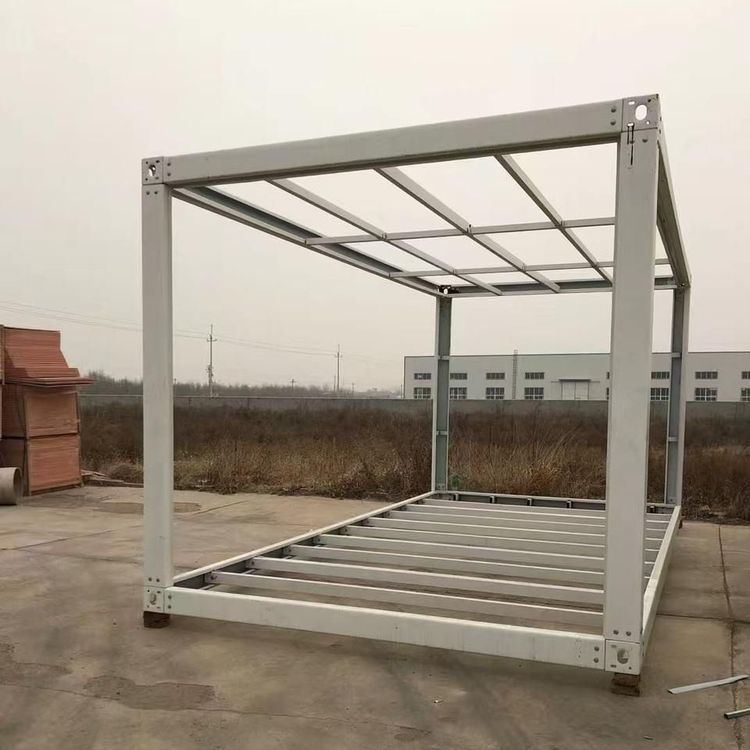
Steel is a key material for constructing the framework and support structures of houses, possessing high strength, good ductility, and plasticity. By being welded or bolted to form a framework system, steel not only provides strong load-bearing capacity to ensure building stability but also reduces construction time through modular design. For example, light steel structure houses use galvanized steel as the main framework, offering both corrosion resistance and rapid assembly advantages, and are widely applied in temporary buildings or low-rise residences.Wood
Wood is mainly used for interior decoration and furniture making, with its natural texture and warm tones adding a natural ambiance to houses. As a renewable material, wood has good thermal insulation and soundproofing properties, effectively enhancing living comfort. In heavy timber house structures, wood is connected through mortise-and-tenon joints to form walls, meeting structural strength requirements while embodying a low-carbon and environmentally friendly concept. It is commonly seen in customized buildings in parks, scenic spots, and other settings.Thermal Insulation and Waterproof Materials
Thermal insulation materials such as foam concrete and polystyrene foam boards improve the energy efficiency of houses by reducing heat transfer; waterproof materials, including waterproof membranes and coatings, prevent water penetration and protect building structures. For example, steel frame lightweight panels combine fire resistance, thermal insulation, and soundproofing properties, suitable for exterior walls and roofs; rock wool fireproof panels are used in the enclosure systems of light steel structure houses to enhance earthquake and fire resistance.Other Common Prefabricated Materials
- Heavy Timber House Wall Materials: Using mortise-and-tenon joints, low-carbon and environmentally friendly, suitable for customized scenarios.
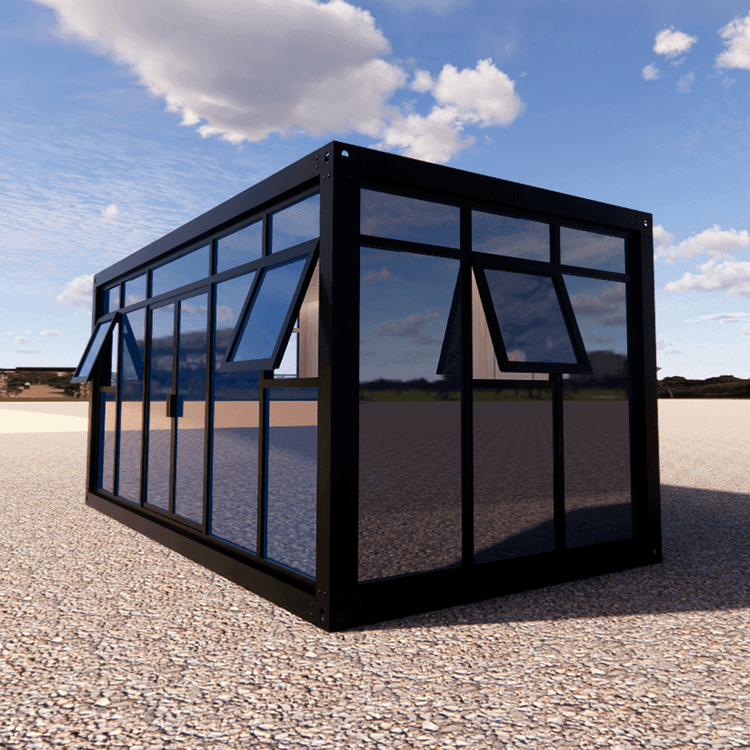
- K-type Modular Prefabricated Houses: Galvanized material framework, for temporary accommodation purposes, with an area specification of 6160mm×3640mm.
- Movable Panel House Materials: Assembled construction process, windproof, rainproof, and explosion-proof, with a service life of up to 16 years, widely used on construction sites and in schools.
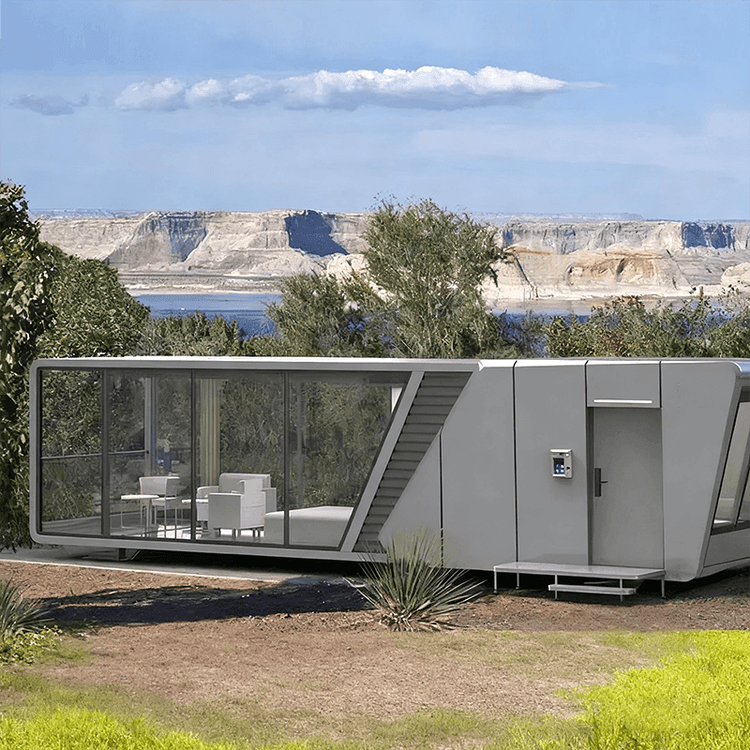
These materials achieve a balance between construction efficiency, environmental performance, and functional diversity through industrial production and modular design.