Back to blog
Article
Advantages and Disadvantages of Prefabricated House Materials
Admin September 18, 2026
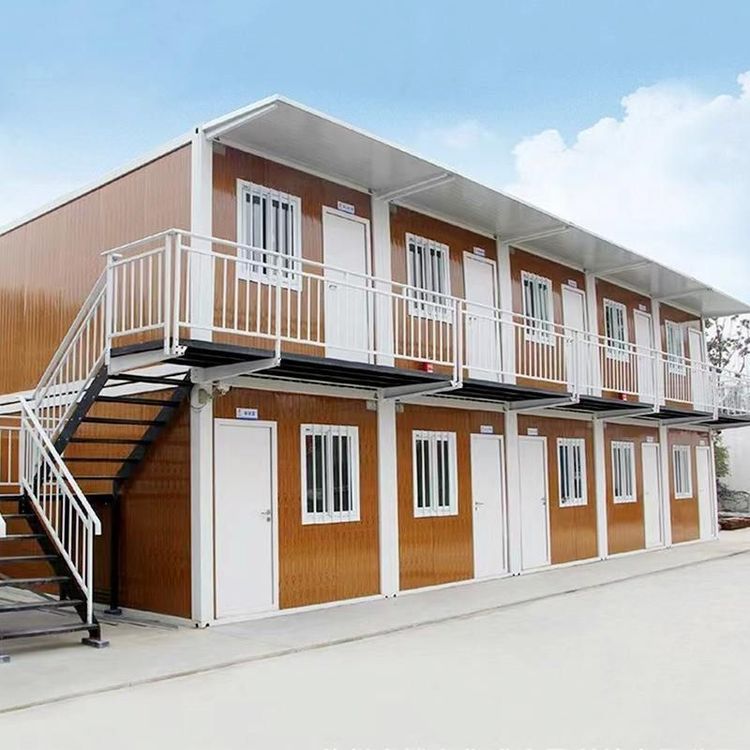
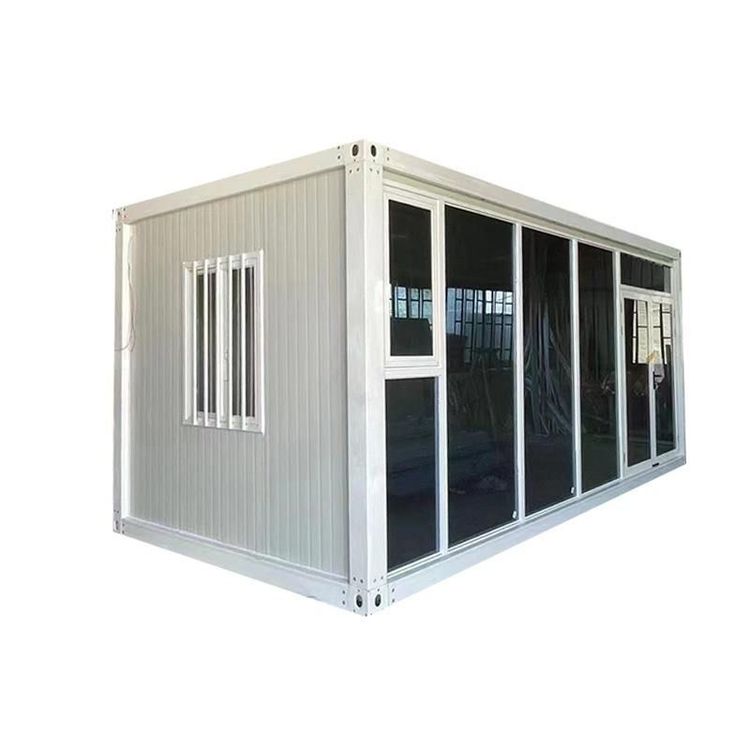
Prefabricated house materials offer advantages such as fast construction speed, lower costs, stable quality, excellent environmental protection, and convenient local maintenance, but they also have disadvantages including quality risks, poor sound insulation and waterproofing, weak overall integrity and earthquake resistance, poor thermal insulation, and limitations from other factors.

Advantages:
- Fast Construction Speed: Cement panels are prefabricated in factories in advance, and on-site assembly is highly efficient. The construction period is shortened by 50%-70% compared to traditional methods, with the fastest speedup reaching 60%-70%.
- Lower Costs: The cost of the main structure is about 30% lower than that of brick houses, saving ordinary families 20,000 to 50,000 yuan. Large-scale production reduces material costs by 20%-40% and labor costs by about 60%. The cost of prefabricated panels is about 60%-70% of that of cast-in-place panels, and later maintenance costs are 40% lower than those of traditional houses.
- Relatively Stable Quality: Factory prefabrication errors do not exceed 1 millimeter, passing 7-level earthquake simulations in seismic tests, with overall settlement less than that of ordinary houses. High-precision mold standardized production enhances concrete strength, with seismic performance superior to traditional construction.
- Excellent Environmental Protection: The recycling rate of construction waste reaches 80%-90%, with carbon emissions reduced by 50%. Some projects have obtained international environmental certifications. The use of recyclable materials further reduces resource consumption.
- Convenient Local Maintenance: If a prefabricated panel leaks or is damaged, only the damaged part needs to be replaced, without the need for overall renovation.
Disadvantages:
- Quality Risks: When construction is not standardized, foundation settlement or wall cracks may occur within 5 years (with a probability of about 7%), and the risk is higher in low-temperature environments. After 20 years, annual maintenance costs increase by 1,500 to 3,000 yuan, with some cases accounting for 25% of the initial construction cost.
- Poor Sound Insulation and Waterproofing: The sound insulation effect of 12-centimeter-thick prefabricated panels is 20 decibels worse than that of traditional buildings, and the water leakage rate at joints is nearly twice that of traditional buildings. The roof leakage rate in rural areas is as high as 80%, requiring regular waterproofing treatment.
- Weak Overall Integrity and Earthquake Resistance: The spliced structure of prefabricated panels is prone to dislocation or collapse during earthquakes, while cast-in-place panels have strong overall integrity and significantly superior seismic performance to prefabricated structures.
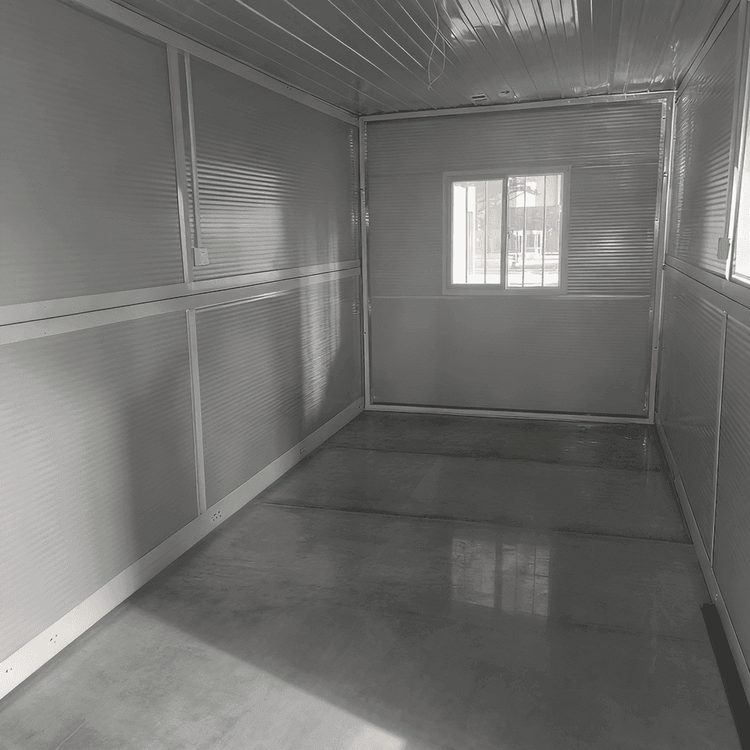
- Poor Thermal Insulation: The thermal insulation performance of 12-centimeter-thick hollow prefabricated panels is insufficient, resulting in high indoor temperatures in summer and low temperatures in winter. In rural areas, additional roof insulation materials are required.
- Limitations from Other Factors: After cement prices rise, the cost advantage narrows (only 5% cheaper than traditional buildings), and freight costs account for up to 5% in remote areas. They are only suitable for buildings up to three stories high. The exterior facade may show a 15%-20% color difference after 5 years, requiring frequent maintenance. The design life is generally 30-40 years.