Prefabricated House Flowchart
The construction process of prefabricated houses in China can be divided into four steps: customized production, full-vehicle transportation, overseas shipping, and on-site assembly, as detailed below:
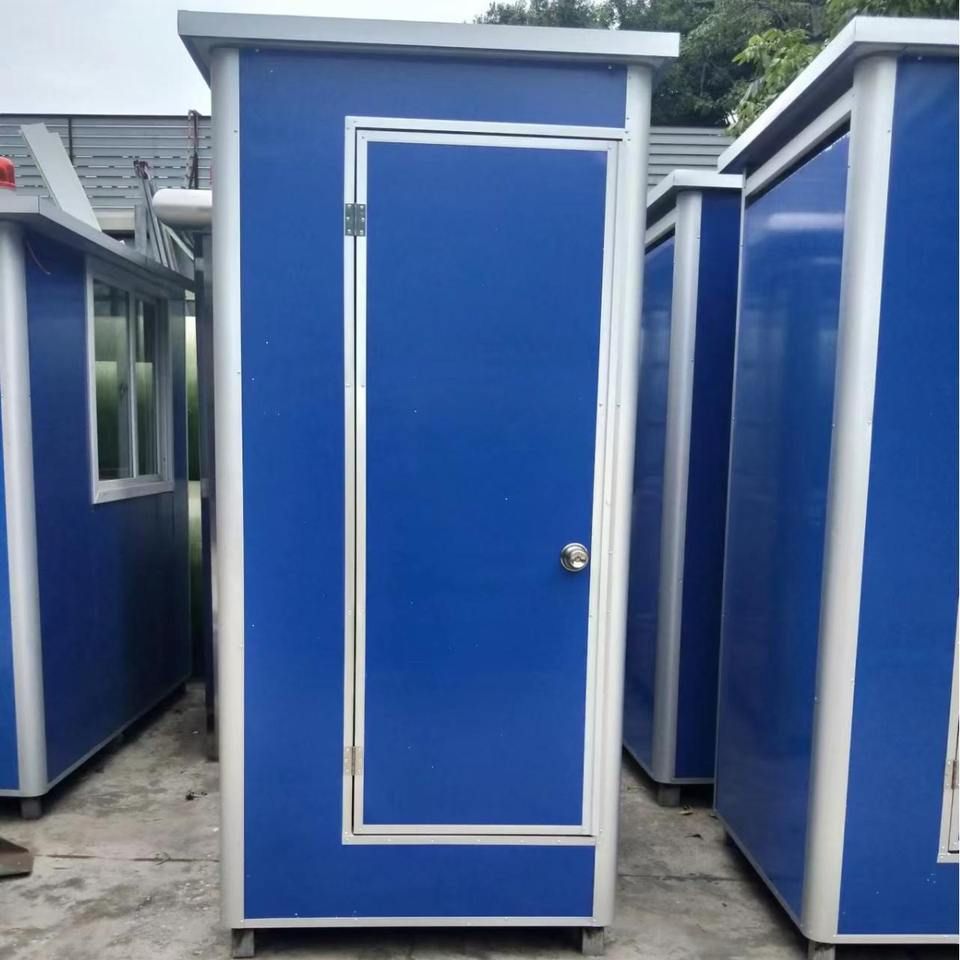
Customized Production, Modular Packaging
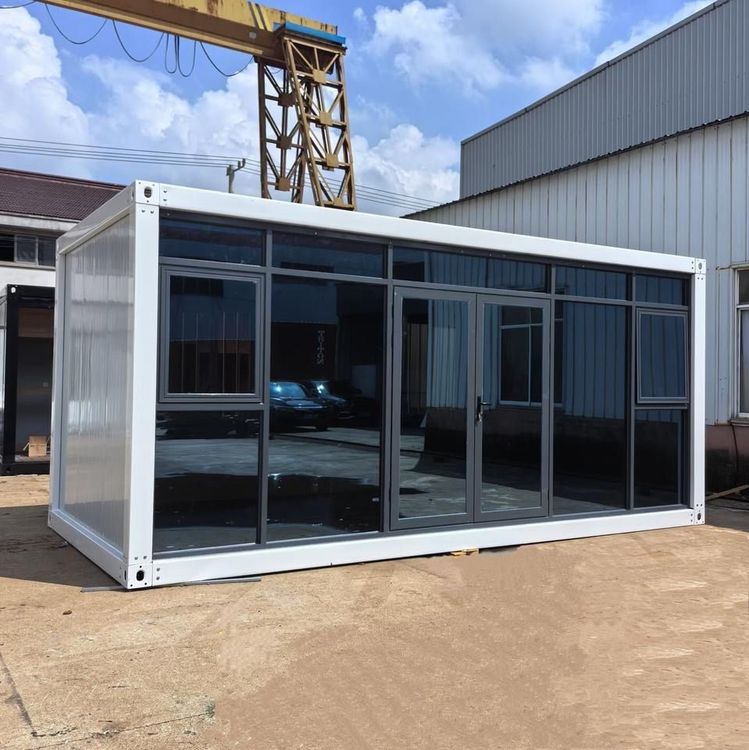
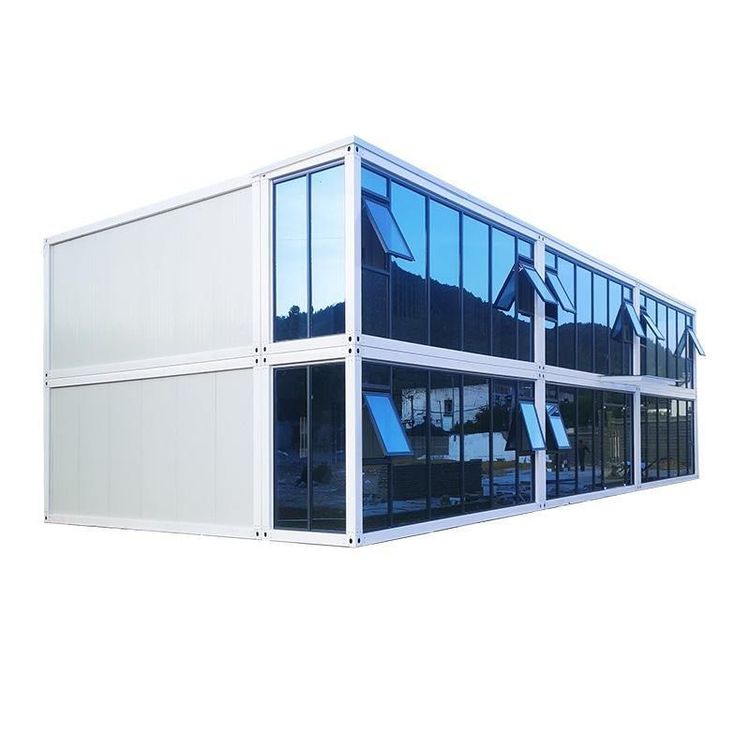
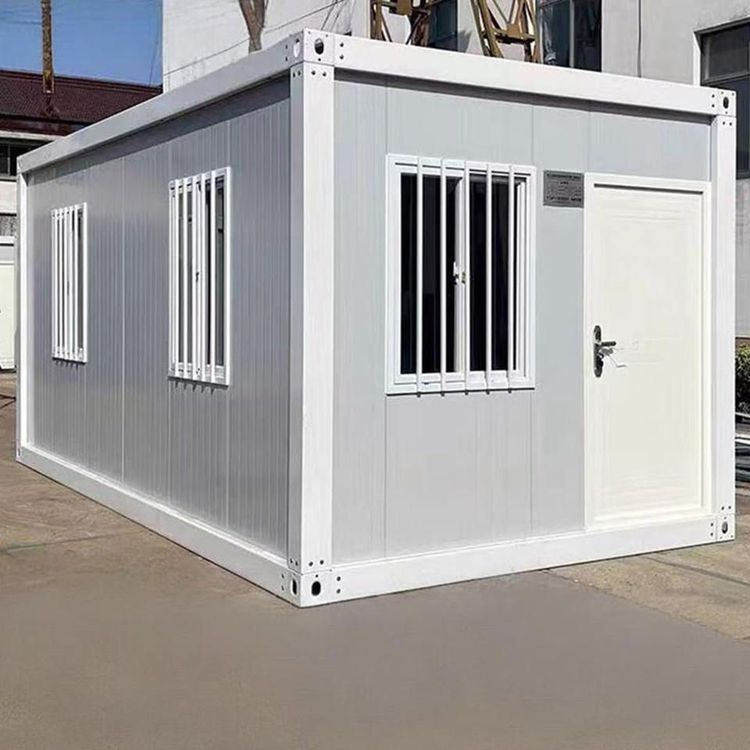
The core of prefabricated houses lies in 'factory prefabrication' and 'modular design'. Based on the specific needs of overseas customers (such as house type, style, and functionality), domestic factories conduct mass production, dividing the house into independent modules like bedrooms, kitchens, bathrooms, and living rooms. Each module is uniformly coded during production for easy subsequent transportation and assembly management. After production, modules undergo strict quality inspections and protective treatments for overseas shipping environments, including waterproof coatings, anti-corrosion treatments, and shock-proof reinforcements to ensure they remain undamaged during long-distance sea transport. Additionally, module dimensions are designed to fully fit international standard shipping containers, reducing transportation costs and improving loading efficiency.Full-Vehicle Transportation, Direct to Port
Completed modules are transferred to domestic ports via specialized flatbed trucks. The key to this step lies in logistics coordination and dimensional compatibility: specialized vehicles must select appropriate transportation tools based on module weight and volume to avoid overloading or space wastage; simultaneously, module dimensions must strictly comply with international container standards (such as 20-foot or 40-foot containers) to reduce port loading and unloading time and costs. During transportation, modules must be securely fastened to prevent structural loosening or surface damage due to bumps.Overseas Shipping, Global Distribution
Upon arrival at the port, modules are loaded onto ocean-going cargo ships and shipped to over 150 countries and regions worldwide. Logistics timelines vary by destination: Southeast Asia takes about 1 week, the Middle East about 20-plus days, and Europe and the Americas about 1 month. To ensure transportation safety, cargo ships are equipped with professional securing devices to prevent module displacement or collision due to waves at sea. Additionally, the entire logistics process supports a traceability system, allowing customers to check module transportation status (such as location and estimated arrival time) in real-time, enhancing service transparency.On-Site Assembly, Rapid Formation
After arriving at overseas ports, modules are directly transported to construction sites for assembly. The assembly process does not require traditional wall-building or pipeline laying; instead, cranes are used to lift modules to designated positions, where structural connections are made through interface docking (such as bolt fixation or welding), followed by water and electricity connections to complete the overall assembly. For example, a 63-unit senior living apartment project in the UK was assembled in just 14 days, significantly shortening the construction period. This 'building like LEGO bricks' model not only improves construction efficiency but also reduces on-site noise and dust pollution, aligning with green building principles.