
Back to blog
Article
Prefabricated House Finished Product Retail
Admin September 18, 2026
Currently, publicly available information rarely directly covers the retail prices and specific retail channels of prefabricated house finished products, but relevant situations can be inferred through industry patterns and existing information.
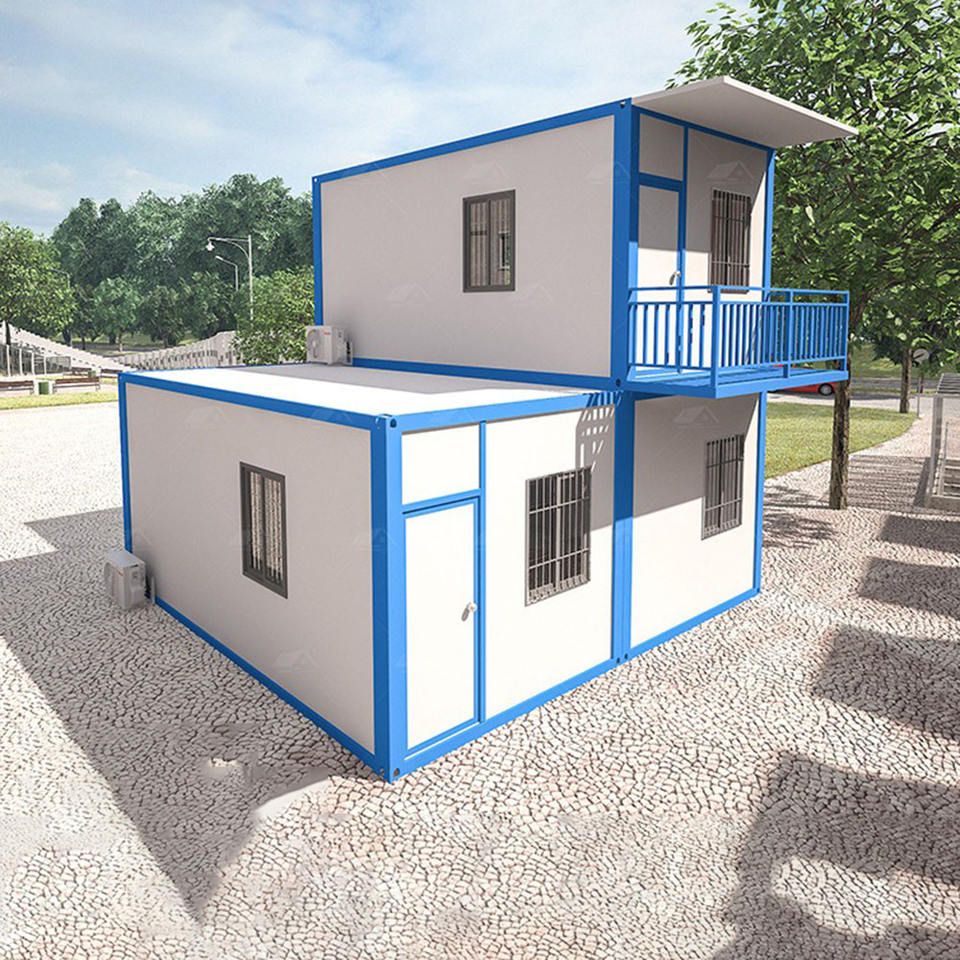
Factors Influencing Retail Prices
- Cost Factors: The retail price of prefabricated house finished products is primarily influenced by production costs, including raw material costs. Fluctuations in the prices of materials such as steel, wood, and insulation materials directly impact the cost of prefabricated houses. If raw material prices rise, retail prices are likely to follow suit. Additionally, the complexity of the production process also affects costs. Advanced production techniques can enhance efficiency and ensure quality but may increase equipment investment and R&D costs, which are then reflected in retail prices.
- Scale Factors: Production scale significantly impacts retail prices. Large-scale manufacturers can obtain more favorable prices for raw materials due to bulk purchases, thereby reducing unit costs and allowing for more competitive retail pricing. In contrast, small-scale manufacturers, with lower production volumes and relatively higher costs, may set higher retail prices.
- Regional Factors: Differences in economic development levels, consumer purchasing power, and market demand across regions lead to variations in retail prices. In economically developed areas, consumers may have higher expectations for the quality and functionality of prefabricated houses and be willing to pay more. Additionally, higher local transportation and labor costs can drive up retail prices. Conversely, in economically underdeveloped areas, where price sensitivity is higher, retail prices may be relatively lower.
Potential Retail Channels
- Building Material Markets: Some large building material markets may offer retail sales of prefabricated house finished products. These markets bring together numerous building material suppliers, allowing consumers to compare different brands, styles, and prices of prefabricated houses and select products that meet their needs.
- Factory Direct Sales Stores: Some prefabricated house manufacturers operate direct sales stores, selling products directly to consumers. This approach reduces intermediary links, potentially enabling consumers to purchase products at relatively lower prices while also allowing direct communication with the manufacturer to obtain detailed product information.
- E-commerce Platforms: With the development of the internet, e-commerce platforms have become potential retail channels for prefabricated house finished products. Consumers can browse products from different manufacturers online, read user reviews, and conveniently compare prices and performance. However, it is essential to choose reputable merchants and legitimate platforms.
Related



