
Prefabricated House Exterior Wall Insulation Board
Prefabricated house exterior wall insulation boards mainly come in three types: prefabricated insulation wall panels, exterior wall insulation board systems, and insulation decorative panels. Here is a detailed introduction:
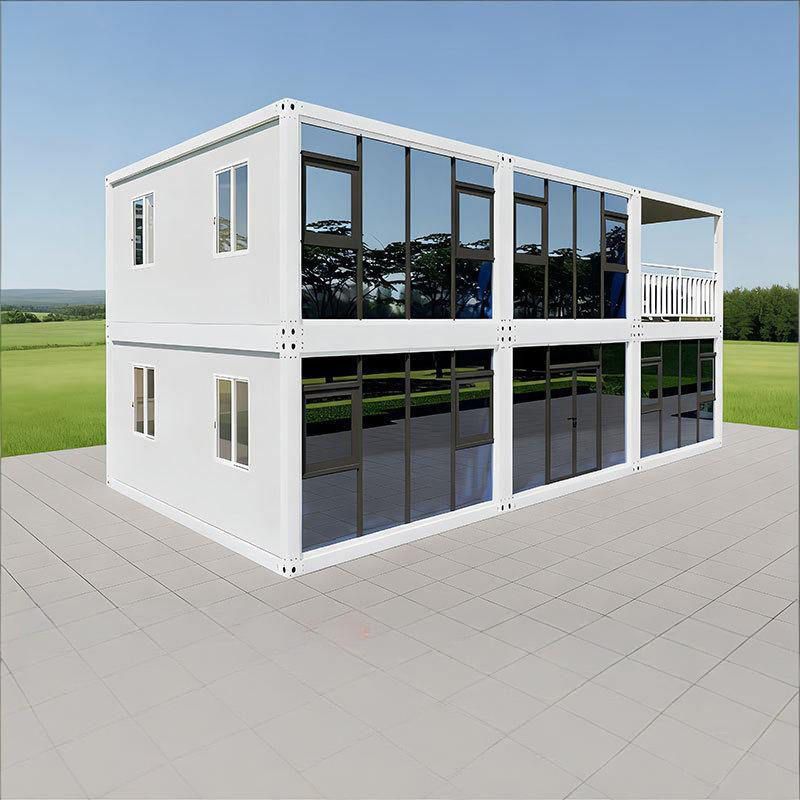
Prefabricated Insulation Wall Panels: These are pre-made 'sandwich walls' in factories, typically consisting of three layers. The innermost layer is the load-bearing structural layer, providing support for the wall. The middle layer is the insulation layer, commonly using insulation materials such as rock wool or polystyrene boards, effectively preventing heat transfer and reducing energy consumption. The outermost layer comes with a decorative finish, molded in one piece without the need for further decoration. Their advantages are significant, with extremely fast construction speeds. On-site assembly is as easy as assembling Lego blocks, and construction can proceed normally even in rainy weather. Moreover, the exterior wall tiles and coatings are completed at the factory, ensuring that the decorative effect lasts as long as the building's lifespan, reducing long-term maintenance costs.
Exterior Wall Insulation Board Systems: These are primarily composed of a base wall, insulation layer, special adhesive, alkali-resistant fiberglass mesh protective layer, and finish layer. The core insulation materials are classified into organic, inorganic, and composite types based on their chemical composition. Inorganic insulation materials, such as rock wool and glass wool, offer excellent fire resistance. Organic insulation materials, like expanded polystyrene (EPS) and extruded polystyrene (XPS), provide better insulation performance. Composite insulation materials are made from organic or inorganic materials through chemical, composite, or foaming techniques, such as cement-bonded polystyrene granules and insulation slurries. This system utilizes the special structure of solid materials to limit air convection and infrared transmission, featuring lightweight, loose and porous structures, and extremely low thermal conductivity. Additionally, the fire safety of exterior wall insulation systems is a prerequisite for their application, requiring fire tests and classification to determine the scope of use for systems with different fire ratings in buildings. They are widely used in the walls of residential, industrial, and public buildings.
Insulation Decorative Panels: Also known as insulation decorative integrated panels, these are prefabricated in factories, combining exterior wall insulation and decorative functions. They consist of an adhesive layer, insulation decorative finished panels, anchors, and sealing materials, with finishes primarily made of materials such as fluorocarbon metals, real stone paints, and rock chip paints. According to fire safety requirements, they are classified into A1-grade fire-resistant non-combustible types and B1-grade flame-retardant types, as well as sealed and non-sealed types. There are various classification series, with slightly different structural compositions among different series. They offer high-end decorative effects, featuring ultra-durable protection, high energy efficiency and environmental friendliness, and high weather resistance, suitable for a variety of buildings such as office buildings, banks, hotels, schools, hospitals, villas, and residential buildings.
You may also like

Portable Toilet Custom Explained: How to Choose the Right One
Read More
Top Portable Toilet Smart Manufacturers: How to Choose a Factory Partner
Read More
Portable Toilet Picture: Top Options & Considerations
Read More