
Prefabricated House Customized Export
China's customized export of prefabricated houses has formed a full-industry-chain industrial product export model, meeting global demand through modular production and customized adaptation, but faces challenges such as compliance certification, localized services, and brand premium.
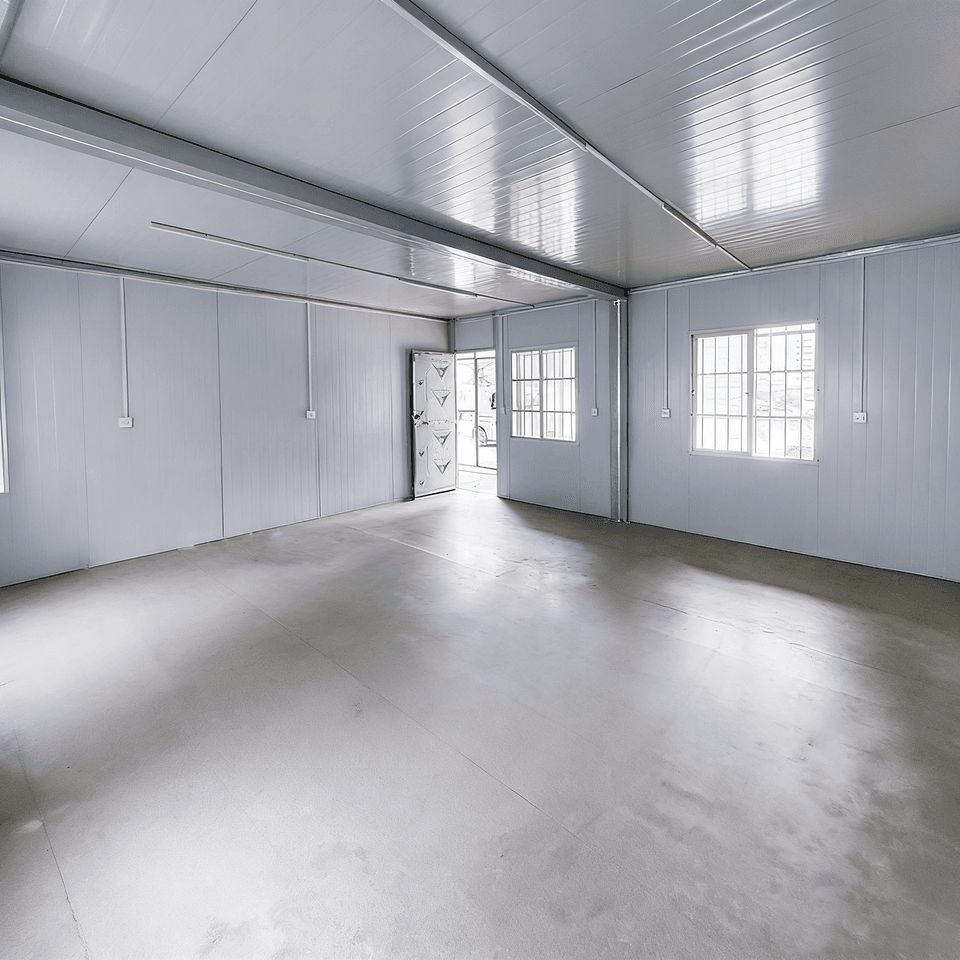
Core Model and Customization Capabilities
Chinese prefabricated housing companies divide buildings into multiple modules, achieving standardized, integrated, and intelligent production in factories, followed by rapid assembly on-site after transportation. This model transforms traditional construction into industrial products, significantly shortening construction periods. For example, 63 modular elderly care apartments purchased by British merchants were shipped from China to the Port of Southampton and completed on-site hoisting in just two weeks; 84 modules in Papua New Guinea were transformed into a fully functional hotel upon arrival, demonstrating efficient delivery capabilities.
Customized adaptation is a key competitive advantage. Companies need to adjust plans based on differences in climate, structural requirements, doors, windows, utilities, insulation, and corrosion resistance at project locations. For instance, high-temperature and rainy regions require enhanced corrosion resistance, waterproofing, and ventilation design; cold regions need improved insulation performance; coastal or strong wind areas require optimized structural connection methods to ensure buildings adapt to different environmental needs.
Technological Breakthroughs and Market Growth
Digital technology resolves the contradiction between standardized mass production and customized demand. China Construction Science and Industry Corporation (CSCIC) compressed the single-container manufacturing cycle to 43 days through a "dual-factory collaboration" model, reducing overall construction time by 50%; China International Marine Containers (Group) Ltd. (CIMC) delivered a prefabricated modular data center project in Malaysia with full-process integrated delivery, cutting construction time by nearly half compared to traditional methods. Data from the General Administration of Customs shows that China's prefabricated building exports grew by 45% year-on-year in the first half of 2026, with high-end residential properties and data centers becoming key growth markets.
Challenges and Future Directions
Despite rapid development, customized exports still face multiple challenges:
- Complex Compliance Certification: High thresholds for EU CE certification, U.S. ICC-ES evaluations, etc., pose difficulties, with some companies experiencing "easy export of single modules but challenging certification for entire series."
- Weak Localized Services: Insufficient capabilities in overseas on-site installation, after-sales maintenance, and localized team support undermine long-term competitiveness.
- Brand Premium Gap: Compared to established European and American manufacturers, Chinese companies still have room for improvement in brand recognition and market pricing.
Future efforts should focus on technological upgrades (e.g., integrating green and low-carbon technologies), industrial optimization (promoting cluster collaboration and standardization), and standard-setting (competing for international standard-setting influence) to enhance the value of overseas expansion and further solidify global market positions.



