
Prefabricated House Construction Speed
The construction speed of prefabricated houses is significantly faster than that of traditional houses. Small houses can be built in as little as 2 hours, and the main structure of a single villa can be installed in 4 hours. In some cases, the construction period for a 300㎡ house is only 1 day, with an efficiency increase of up to 180 times.
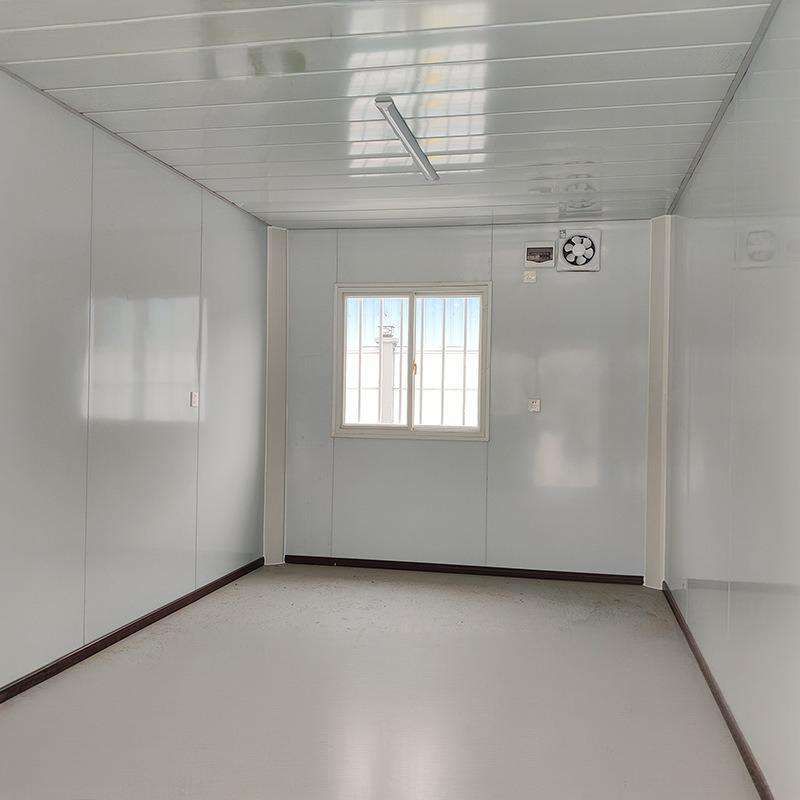
1. Construction Speed of Prefabricated Houses of Different Sizes
The construction speed of prefabricated houses varies depending on their size and type. Among the prefabricated houses popular in rural areas of Henan, small houses can be completed in as little as 2 hours, while the main installation or hoisting of a single villa takes only 4 hours. For example, the main structure of a 200㎡ three-story villa can be assembled and erected within 4 hours; a 100㎡ house can be made ready for occupancy in just 5 days from a bare site, covering foundation construction, main installation, and interior decoration.
2. Comparison with Traditional Construction Speed
Traditional construction methods are limited by on-site construction processes, resulting in longer construction periods. Taking a 300㎡ house as an example, a traditional brick-and-mortar or concrete-poured house requires at least 120 days to complete the main structure and decoration. In contrast, prefabricated concrete houses, through factory-produced components and rapid on-site assembly, can reduce the construction period of a 300㎡ house to just 1 day, achieving an efficiency increase of up to 180 times. This difference primarily stems from the fact that prefabricated houses eliminate time-consuming on-site pouring and curing processes, and component production can be carried out simultaneously with foundation construction.
3. Key Factors Affecting Construction Speed
- Component Standardization: Factory-prefabricated wall panels, floor slabs, and other components have uniform dimensions, allowing for direct splicing and reducing on-site cutting and adjustment time.
- Optimized Construction Process: Prefabricated houses adopt a 'building block' installation method, with mechanical hoisting and manual assembly working in tandem, significantly shortening the construction period.
- Foundation Treatment Efficiency: If the foundation conditions are good, the foundation construction of prefabricated houses (such as concrete pads) can be completed within a few hours, providing conditions for subsequent installation.
4. Applicable Scenarios and Limitations
The rapid construction advantage of prefabricated houses is suitable for emergency housing, temporary buildings, or rural self-built houses with strict construction period requirements. However, it should be noted that their speed advantage relies on standardized design and a mature supply chain. If the house design is complex or on-site conditions are restricted (such as rugged terrain), the construction time may be extended. Additionally, the long-term durability of prefabricated houses needs to be ensured through standardized construction and material quality.



