
Precautions for Buying Prefabricated Houses
When purchasing prefabricated panel houses, it is essential to pay attention to the following points to ensure living safety and rights:
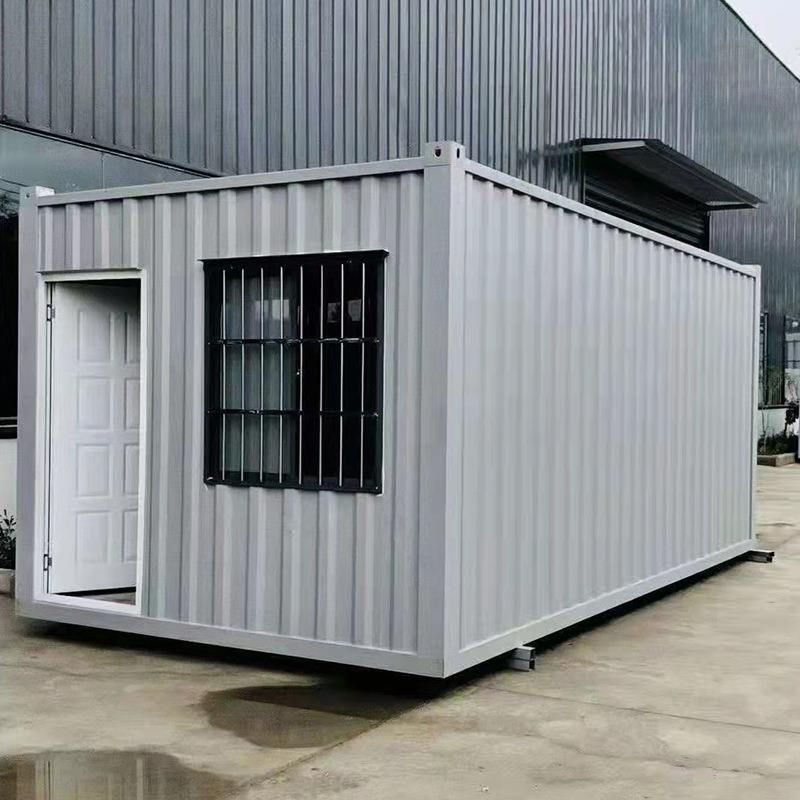
Verify the Design Life and Actual Age of the House The typical design life of ordinary prefabricated panel houses is usually 50 years. However, houses built in the 1980s and 1990s may have weaker overall integrity and earthquake resistance due to technological limitations. It is necessary to evaluate structural safety in conjunction with the age of the house. Houses over 30 years old should be carefully assessed to avoid safety hazards caused by aging.
Confirm the House Safety Appraisal Grade According to the 'House Safety Appraisal Standards', houses are classified into four grades: A (no dangerous points), B (individual components are aged but do not affect the main structure), C (local dangerous houses requiring reinforcement), and D (entire dangerous houses requiring demolition). Before purchasing, it is mandatory to request an appraisal report from the seller. Houses graded A or B can be inhabited normally, those graded C require reinforcement before use, and those graded D should be abandoned directly to avoid living risks.
Evaluate Long-term Maintenance and Renovation Costs Due to their long age, prefabricated panel houses commonly suffer from issues such as poor sound insulation, poor thermal insulation, aging pipelines, and exterior wall leakage, with annual maintenance costs potentially reaching thousands of yuan. If an elevator needs to be installed or structural reinforcement is required, the shared costs may reach tens of thousands of yuan. It is necessary to calculate long-term holding costs in advance to avoid the impact of hidden expenses on quality of life.
Strictly Prohibit Unauthorized Modification of Load-bearing Structures During renovation, it is not allowed to remove load-bearing walls, make large holes in the floor, or stack overweight items, as these actions may compromise structural safety. Roof waterproofing leaks should be repaired promptly to prevent steel reinforcement corrosion from reducing structural strength. Any modification actions must be consulted with professional institutions to ensure compliance with safety standards.
Pay Attention to Policy Orientation and Urban Renewal Plans Current policies focus on a combination of 'retention, renovation, and demolition', with the demolition ratio原则上 (in principle) not exceeding 20%. Most prefabricated panel houses will be renovated (such as exterior wall renovation, pipeline replacement, elevator installation) rather than demolished. Avoid purchasing with the expectation of 'betting on demolition', as this may result in long-term inability to cash out or the value not meeting expectations after renovation.
Verify Developer Qualifications and Pre-sale Procedures When purchasing pre-sold prefabricated panel houses, it is necessary to confirm that the developer has obtained a commercial housing pre-sale permit and clearly indicates information such as project development progress, completion time, and pre-sale fund dedicated accounts. Incomplete procedures may lead to property rights risks, such as inability to obtain a property certificate or project abandonment.
Be Cautious with Internal Subscriptions Internal subscriptions may carry risks such as unpaid land use right transfer fees, mortgaged houses, or multiple sales of the same house. It is necessary to verify the developer's qualifications and the property ownership status, prioritizing the selection of completed houses or pre-sale houses with complete procedures.
Regularly Conduct House Safety Inspections Some cities (such as Nantong and Hefei) require prefabricated panel houses to undergo inspections every 2-5 years. After purchase, you can proactively contact professional institutions for inspections to promptly identify and address hidden dangers, extending the service life of the house.



