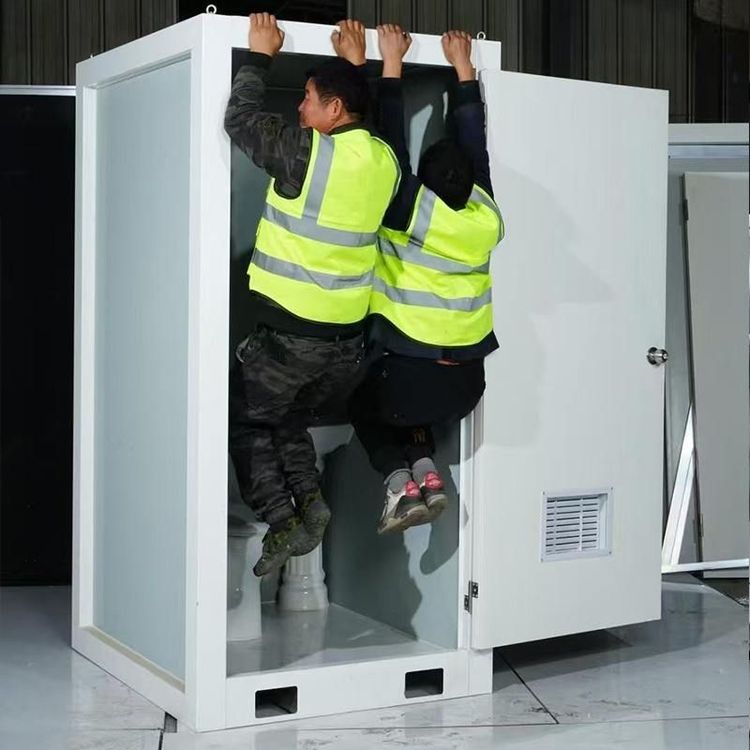
Prefabricated House Beam
A prefabricated house beam is a concrete beam component that is prefabricated in a factory and then transported to the site for installation, featuring standardization, efficiency, and safety.
Types and Definitions
Prefabricated beams are core components of prefabricated concrete frame structures, including prefabricated solid beams and prefabricated composite beams. Their key characteristics involve completing standardized processes such as formwork assembly, steel bar tying, and concrete pouring and curing in the factory, achieving full-process automation through intelligent circular production lines and digital twin technology. For example, the Shanmei Expressway reconstruction and expansion project adopted an intelligent steam curing system, reducing the production cycle of a single beam from 10 days to 1 day, significantly improving efficiency.
Application Areas and Advantages
Prefabricated beams have been widely applied in fields such as large-span viaducts, prefabricated buildings, and municipal engineering. Taking the Beian parking lot project of Qingdao Metro Line 7 as an example, it adopted a "factory prefabrication + on-site assembly" model, achieving efficient construction through precise lifting technology, demonstrating the adaptability of prefabricated beams in complex projects. Their advantages are reflected in three aspects:
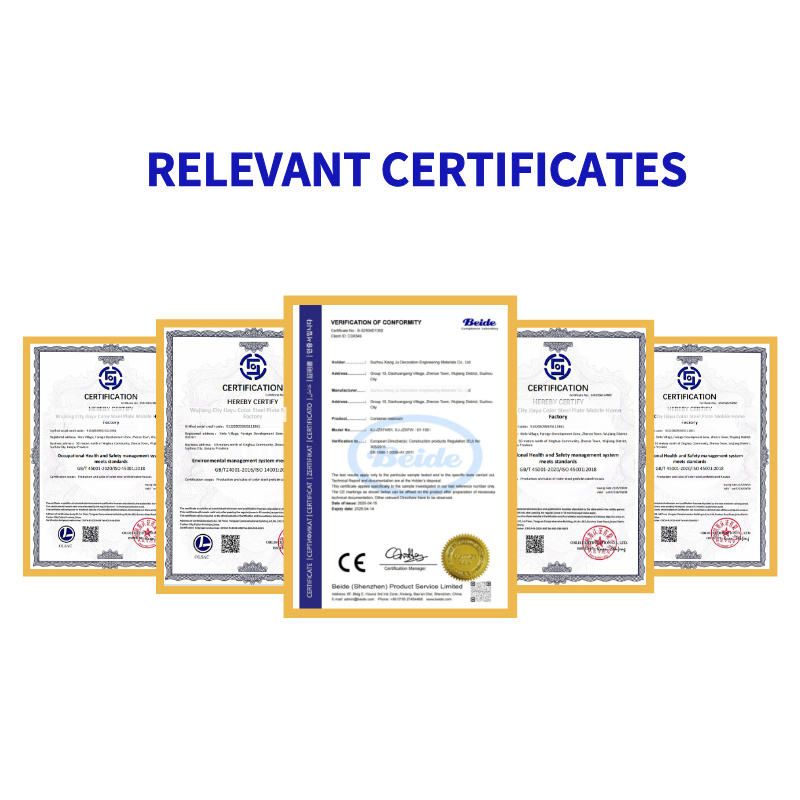
- Safety: The factory prefabrication process strictly follows industry standards such as the "Construction Process Specifications for Building Engineering," with precise calculations for material ratios and steel bar layouts, and is equipped with national quality certifications and inspection certificates, making it significantly safer than on-site homemade beams.
- Time Efficiency: Prefabricated beams can be directly transported to the site for installation without the need for on-site curing periods, whereas homemade beams require processes such as fabrication and drying, and are more prone to delays during rainy weather.
- Cost Controllability: Prefabricated beams reduce material waste through large-scale production and decrease on-site labor and auxiliary material inputs, resulting in lower overall costs than homemade beams.
Technological Innovation and Sustainability
The prefabricated beam industry is promoting green and high-performance development:
- Recycling Technology: Achieving component reuse through disassembly and recycling technology to reduce resource consumption.
- Waste Gas Resource Utilization: Some projects apply microalgae carbon fixation technology to convert production waste gas into biomass energy.
- Material Upgrades: The application of lightweight ultra-high-performance concrete (LUHPC) and ultra-high-performance concrete (UHPC) improves mechanical properties and durability while achieving structural lightweighting.
Selection Recommendations for Rural House Construction Scenarios
In rural self-built houses, prefabricated lintels (ready-made lintels) have advantages over homemade beams:
- Safety: Prefabricated lintels are professionally designed and calculated to meet structural mechanics requirements, whereas homemade beams are prone to insufficient load-bearing capacity due to material ratio or dimensional deviations.
- Construction Convenience: Prefabricated lintels can be directly installed, shortening the construction period by approximately 30%-50%, especially suitable for rainy seasons or emergency projects.
- Economy: In the long run, prefabricated lintels reduce material waste and labor costs, resulting in lower overall construction costs.
You may also like
Portable Toilet Types: A Practical Buyer's Guide
Read More
Portable Toilet Movable Eco-Friendly: What to Know Before You Buy
Read More
Top Portable Toilet Specifications Manufacturers: How to Choose a Factory Partner
Read More