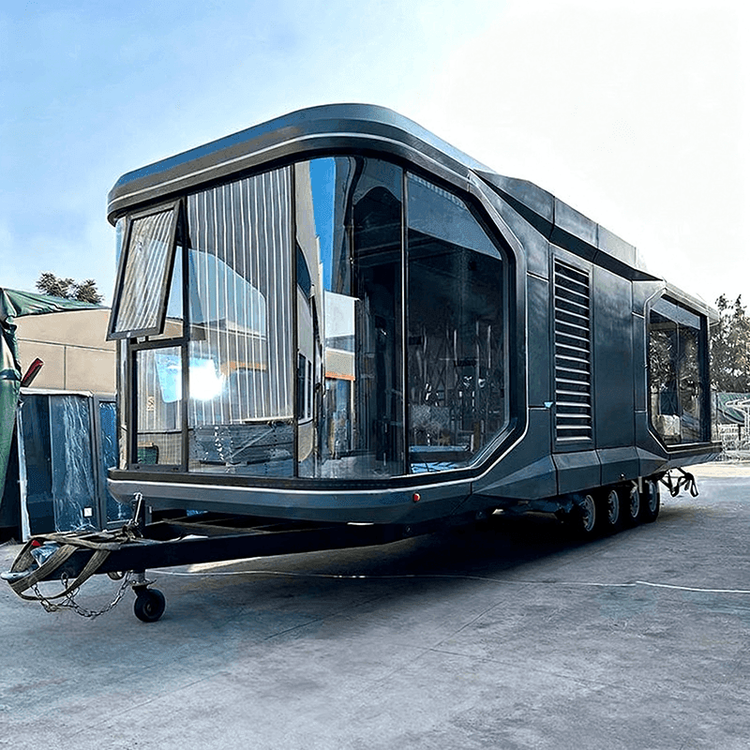
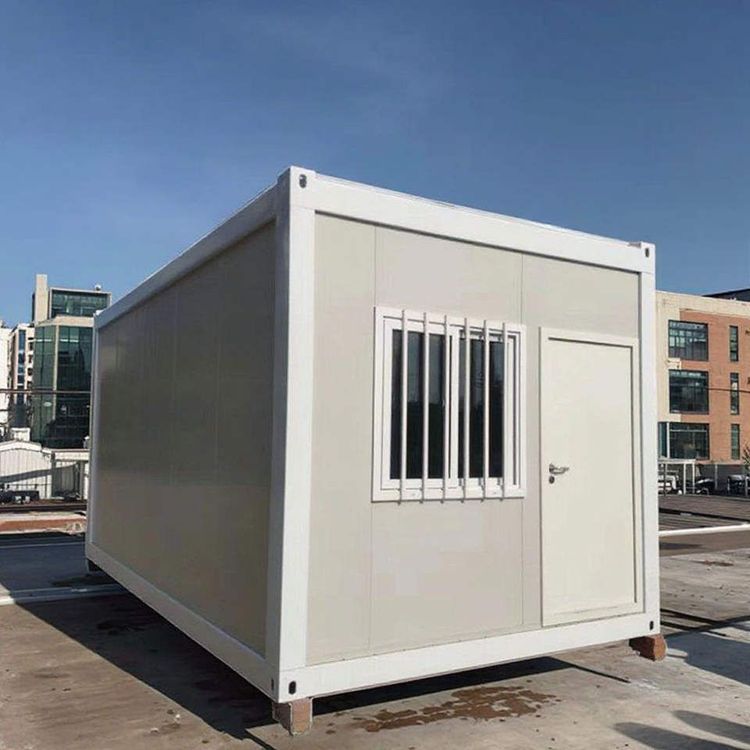
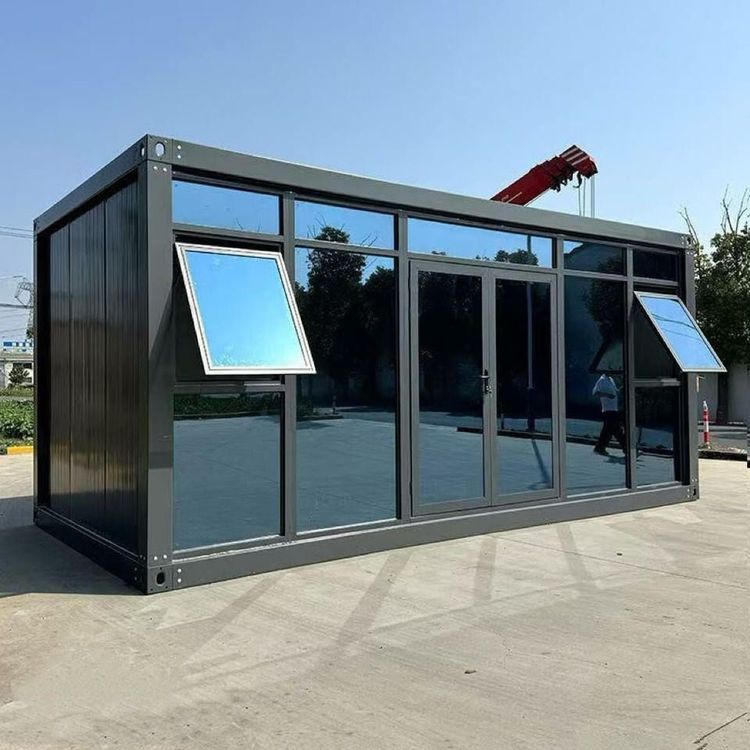
Prefabricated House 100 Square Meters
Information on a 100-square-meter prefabricated house is as follows:
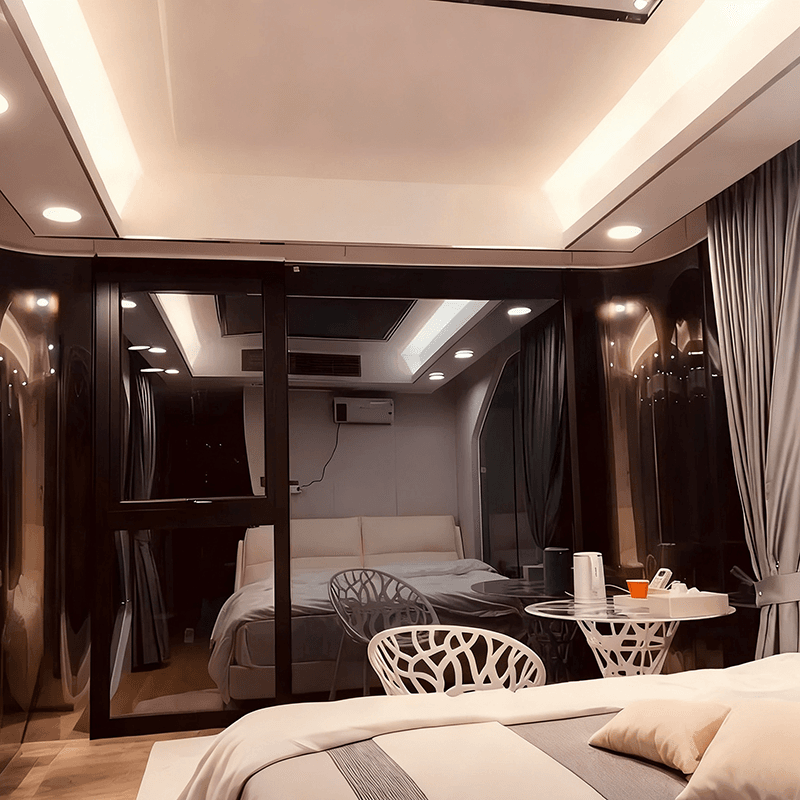
I. Price Range
The price of prefabricated houses varies significantly depending on the type and configuration. The construction cost of an ordinary prefabricated house typically ranges from 1,000 to 3,000 yuan per square meter, with a total price of approximately 100,000 to 300,000 yuan. Simpler types, such as color-steel houses, are priced lower, ranging from 60 to 182 yuan per square meter, with a total price of approximately 6,000 to 18,000 yuan for 100 square meters. Light-steel villas are priced between 1,280 and 1,290 yuan per square meter, with a total price of approximately 128,000 to 129,000 yuan. The price differences primarily stem from the choice of materials (such as steel, wood, and recyclable materials), design complexity (such as the degree of modularization), and additional features (such as solar panels and intelligent energy-saving systems).
II. Construction Period
The construction efficiency of prefabricated houses is significantly higher than that of traditional buildings. A 100-square-meter prefabricated residence typically takes only 1 to 2 months to complete, whereas a traditional brick-and-mortar residence may take more than 6 months. This advantage stems from its factory-based production model: the main components of the house (such as walls, floors, and roofs) are prefabricated in the factory, and only assembly is required on-site, greatly reducing on-site construction time.
III. Core Advantages
- Rapid Construction, Shortened Project Duration: The combination of factory prefabrication and on-site assembly shortens the construction period by more than 50%, making it particularly suitable for scenarios requiring urgent housing, such as post-disaster reconstruction and temporary accommodation.
- Cost Control: Standardized production reduces material waste, and modular design lowers the complexity of on-site construction, thereby optimizing material and labor costs.
- Environmental Protection and Energy Efficiency: Factory-based production reduces on-site dust, noise, and waste pollution; the use of recyclable materials such as light steel and wood, as well as the integration of solar panels, insulation materials, and intelligent energy-saving systems, further reduce energy consumption, aligning with green building concepts.
- Flexibility and Portability: Modular design supports user-customized layouts and even allows for disassembly and reassembly at other locations. Container houses and light-steel structures are particularly suitable for scenarios requiring frequent relocation, such as tourist accommodations and construction site dormitories.
- Quality Control: Strict production processes in a controlled factory environment ensure stable component quality, reducing quality issues caused by differences in on-site construction conditions in traditional buildings.