
Prefabricated High-rise Housing
Prefabricated high-rise housing is constructed by using industrially produced building components that are assembled on-site, offering numerous advantages.
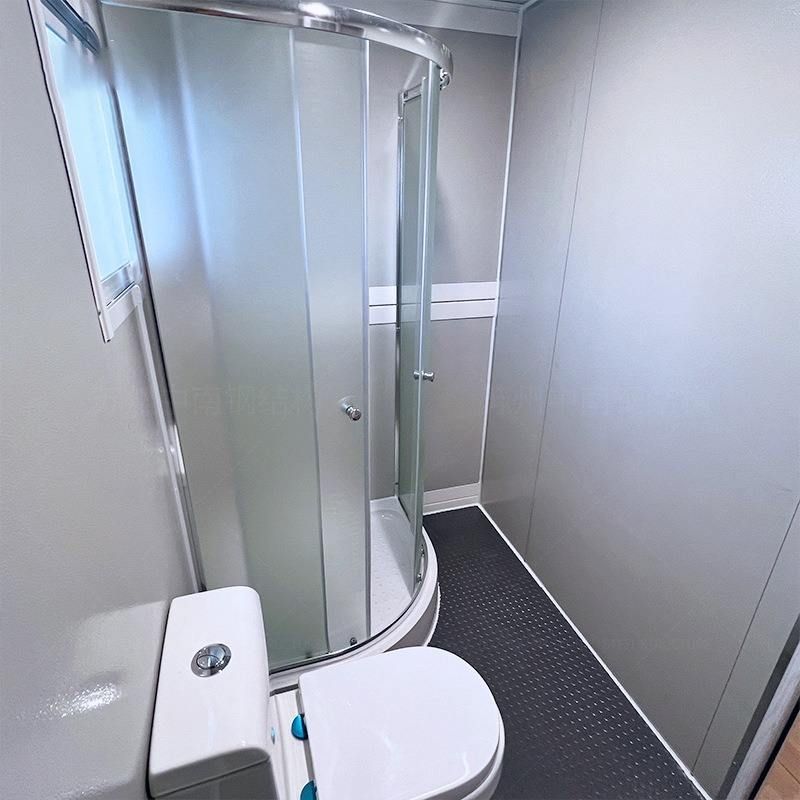
Significant Advantage in Construction Duration
Modular construction, as a more integrated form of prefabricated construction, proceeds at an extremely rapid pace. Taking a 16-story building as an example, it is assembled from 298 modules. From the initial hoisting, it takes only 120 days for the modular part to be ready for delivery, representing a 60% reduction in construction time compared to traditional methods. In the Anju Jingxinyuan project in Shenzhen, from the hoisting of the first module to the completion of the 30-story, nearly 100-meter-high building with fine decoration, it took only 148 days, fully demonstrating the significant advantage of prefabricated high-rise housing in shortening construction duration.
High Prefabrication Rate
The earthquake-resilient, rapidly installable multi-story prefabricated steel structure system can achieve a prefabrication rate of over 90%. This system consists of an energy-saving and earthquake-resistant steel frame-support structure system and various prefabricated components, including steel-ribbed prestressed concrete composite slabs, sandwich concrete composite exterior wall panels, concealed-frame concrete composite interior wall panels, and prefabricated stairs. A high prefabrication rate means that most building components are produced in advance in factories, reducing the workload of on-site wet construction and improving construction efficiency.
Multiple Advantages
- High Standardization: Industrial production ensures that building components are made strictly according to standards in terms of size and specifications, guaranteeing the quality and consistency of components and contributing to the overall quality of the building.
- Simple Installation: Since components are prefabricated in factories, only assembly is required on-site, reducing construction difficulty and the technical requirements for construction personnel. It also minimizes errors and rework during the construction process.
- Energy Efficiency and Environmental Protection: It reduces construction waste and dust pollution generated on-site. Additionally, some components use energy-saving materials, such as the energy-saving and earthquake-resistant steel frame-support structure system, which helps reduce building energy consumption and aligns with the development concept of green buildings.
- Low Cost: Shortening the construction duration can reduce labor costs and equipment rental costs. Moreover, industrial production facilitates economies of scale, lowering the production cost of components and thus reducing the overall cost of the building project.



