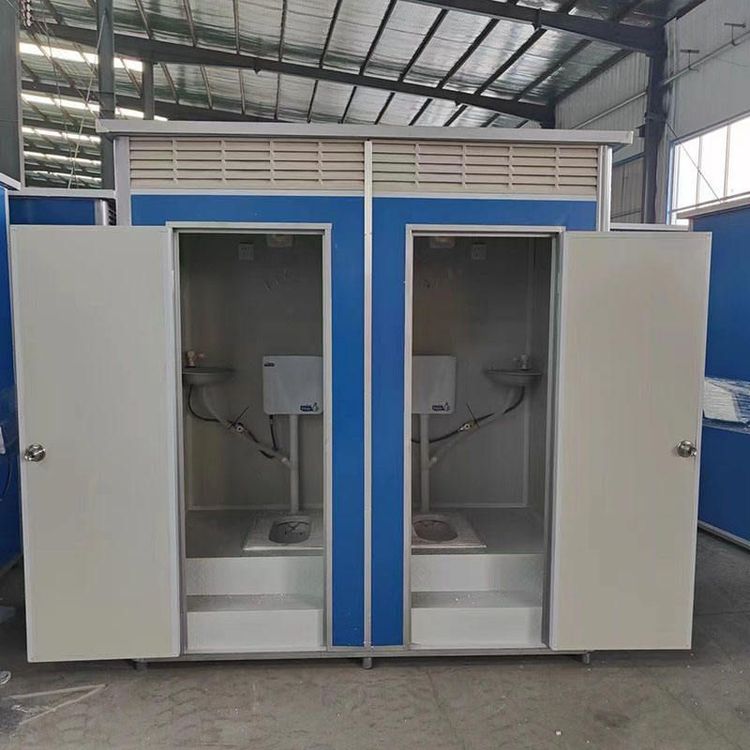
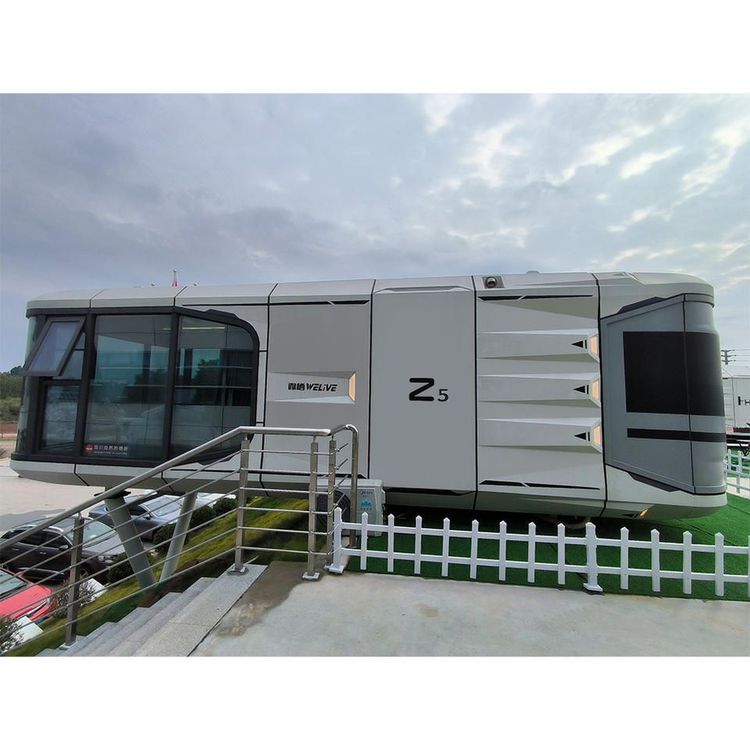
Is Prefabricated Finished Housing Safe?
The safety of prefabricated finished housing cannot be generalized and needs to be comprehensively evaluated based on multiple factors such as structural type, construction quality, and usage and maintenance.

I. Some prefabricated houses have high safety Some prefabricated houses adopt reinforced concrete structures. Their components are manufactured in factories through precise calculations and mold forming, resulting in better quality stability compared to on-site pouring. The quality guarantee period for such houses can reach 70 years. Moreover, they offer fast construction speed, low cost, and wide applicability, making them suitable for various scenarios such as residences, dormitories, and office buildings. Factory production reduces human operational errors, ensures high component dimensional accuracy, and enhances the overall structural performance reliability.
II. Key considerations for safety
- Foundation treatment: The uniformity of the foundation directly affects housing safety. Uneven foundation settlement can lead to house tilting and cracking, and such damage is difficult to repair.
- Height restrictions for construction: The bottom components of prefabricated houses need to be reinforced according to the height. If constructed too high, the load on the bottom prefabricated parts increases. Without reinforcement, they are prone to crushing, which may trigger progressive collapse.
- Joint treatment: If the joints at the splicing points of prefabricated components are not properly treated, long-term water seepage can occur, leading to internal steel bar corrosion and reducing structural durability.
- Comprehensive performance evaluation: Thermal insulation performance, seismic performance, etc., need to be evaluated based on design standards and the actual usage environment. For example, the seismic performance of old prefabricated panel houses may decline over time.
III. Safety evaluation of old prefabricated panel houses The safety of old prefabricated panel houses depends on maintenance conditions, construction quality, and local seismic activity. Common problems include joint cracking and poor seismic performance. Evaluation methods include:
- Observing wall cracks: If the crack width exceeds 0.3 millimeters or shows a spreading trend, structural problems should be alerted.
- Tapping the floor slab: A hollow sound may indicate internal damage to the floor slab.
- Checking the foundation: Foundation settlement or loose surrounding soil should be addressed promptly.
- Professional inspection: Commission an agency to conduct a housing safety appraisal and handle it according to the grading standards: Class A and Class B houses can be used normally; Class C houses require local reinforcement; Class D houses should be treated as dangerous buildings.
IV. Service life and demolition of prefabricated panel houses Prefabricated panel houses that have been in use for 30 years do not necessarily need to be demolished. Whether to demolish should be based on the results of a professional safety appraisal. If appraised as Class A or Class B, they can continue to be used; Class C houses require reinforcement before use; only Class D houses should be treated as dangerous buildings. Regular maintenance and inspection are key to extending the service life of houses.