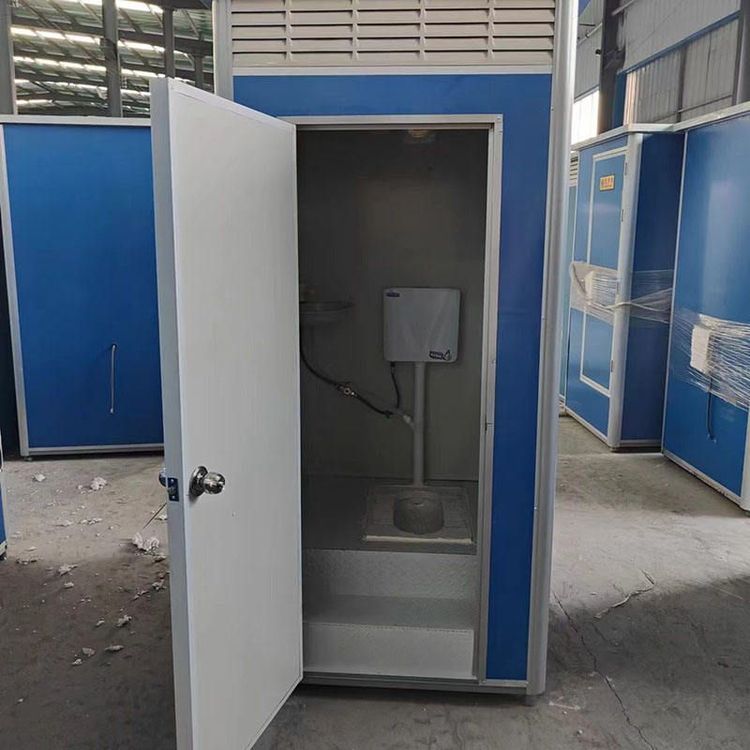
Prefabricated Finished Concrete House
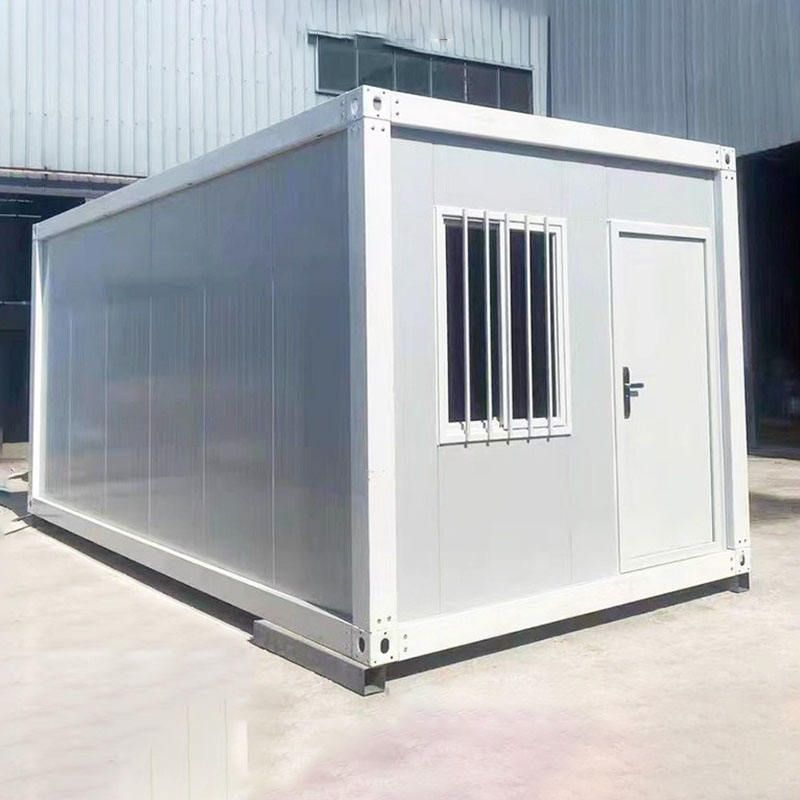
A prefabricated finished concrete house is a building form where the main components are prefabricated in a factory and assembled on-site, characterized by high efficiency and environmental friendliness.
Construction Process
- Component Prefabrication: In the factory, workers assemble metal steel plates into molds using bolt connectors. After applying a release agent, they cross-bind steel bars into a mesh framework and embed connectors. Subsequently, concrete is poured, air bubbles are eliminated using a vibrator, the surface is smoothed, and then covered with a plastic shed. A heating device is used to accelerate the cement hydration reaction, ensuring the component's strength meets standards.
- Foundation Treatment: A pit approximately 1 meter deep is excavated on-site. After laying a moisture-proof PE film, discarded building concrete is poured as the base, with a thickness exceeding 10 cm. After solidification, guide steel plates are installed, prefabricated concrete piles are positioned, and finally, a large prefabricated base plate serves as the house foundation.
- On-site Assembly: Prefabricated wall panels, floor slabs, and other components are transported to the construction site and quickly assembled into a rough house using methods such as bolting, welding, or reserved steel bar connections, similar to "building with blocks." For example, a two-story reinforced concrete house can be completed in about two weeks.
Technological Development and Application
Prefabricated concrete technology in China began in the 1950s, initially used for factory and residential construction, and saw a resurgence in the 21st century due to environmental protection needs. Companies like Vanke have developed prefabricated shear wall residential structural systems and applied prestressed prefabricated concrete frame technology in projects such as Nanjing Jindi Yufang, improving construction efficiency and structural performance.
Advantages and Limitations
- Advantages:
- Short Construction Period: Reduced on-site wet work and fast assembly speed.
- Controllable Quality: Standardized factory production reduces quality fluctuations.
- Energy-saving and Environmentally Friendly: Reuse of discarded concrete reduces resource consumption, and significantly reduces dust and noise pollution.
- Convenient Maintenance: Strong component replaceability facilitates later repairs.
- Limitations:
- High Industrial Base Requirements: Requires a complete technological system, production equipment, and industrial cluster support, with significant initial investment costs.
The prefabricated finished concrete house represents a trend in the construction industry towards high efficiency and green development through industrialized production and modular assembly. However, its promotion still requires addressing issues of technological popularization and cost control.